



Dutch Floral Mirror
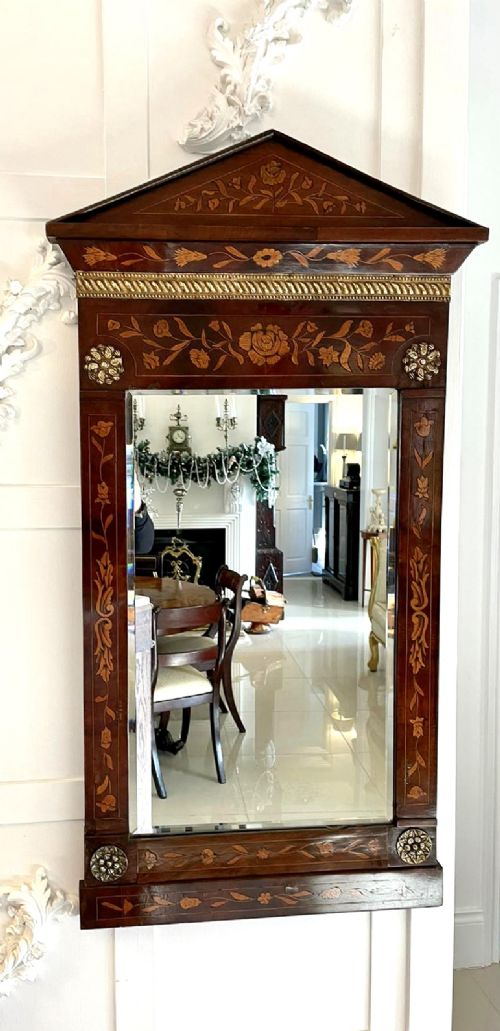
These dutch floral mirror examples are substantial wall and dressing table pieces built to bring intricate marquetry and warm woods into a room.
Dutch Floral Mirror
A dutch floral mirror brings together classic cabinet-making forms and detailed marquetry work across wall mirrors and dressing table mirrors. These objects emerge from periods spanning the eighteenth century through the nineteenth century, encompassing Georgian, Regency and Victorian interpretations.
How they were made
Makers constructed these frames using solid timbers such as walnut and mahogany, often applying intricate fruitwood marquetry veneers across the surface. Artisans cut and fitted contrasting wood veneers by hand to form elaborate floral and scrollwork designs.
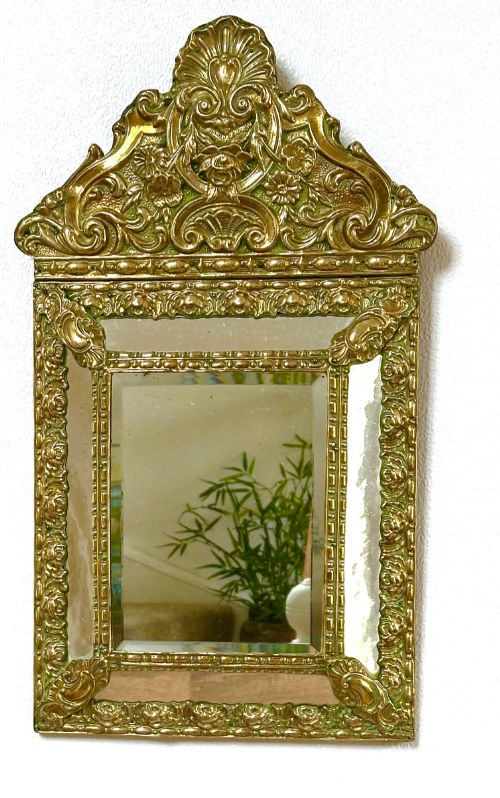
Brass elements appear in cast and embossed frames, while glass mirrors sit within rebated wooden mouldings. Swing mirrors incorporate pivoting side supports fixed to sturdy base boxes or dressing table structures.
Dutch Floral Mirror Retail Price Guide 2026
Typical asking prices for dutch floral mirror among the pieces listed under this phrase on Sellingantiques today, from the lower quarter to the upper quarter. They describe what is for sale here now, not the wider market.
Some dressing mirrors hide tiny compartments behind their swing frames, perfect for concealing secret notes or miniature treasures.
What varies in quality
The sophistication of the marquetry inlay defines the upper tier of these pieces, showing crisp lines and varied wood tones within the floral motifs. Simpler frames rely on plain mahogany or walnut surfaces without the detailed veneer work.
Structural complexity also separates standard toilet mirrors from elaborate dressing table mirrors and large wall mirrors with fretwork or architectural framing.
The Dutch Floral Mirror Glossary
- Marquetry
- Decorative veneer work forming pictures or patterns by fitting together small pieces of wood. This technique defines the floral surface decoration on many traditional frames.
- Toilet mirror
- A small mirror mounted on a stand or small chest with drawers, designed to sit on a dressing table. These pieces often feature swing mechanisms.
- Pier mirror
- A tall wall mirror designed to hang on the wall between two windows. These items frequently incorporate painted or inlaid woodwork.
- Swing mirror
- A mirror plate mounted on pivots between upright arms, allowing the glass to tilt. This mechanism is common in dressing table and toilet mirrors.
- Fretwork
- Ornamental design executed by cutting patterns through thin wood using a scroll saw. It provides lightweight openwork detail to frame edges.
Dutch Floral Mirror: Frequently Asked Questions
What is a dutch floral mirror?
A dutch floral mirror is a wall or dressing table mirror decorated with detailed wood marquetry depicting flowers and foliage. These pieces span the eighteenth and nineteenth centuries.
Craftsmen utilised various woods like walnut, mahogany and fruitwood to build these distinctive decorative items.
How do I date a dutch floral mirror?
Dating relies on examining the timber construction, the style of the marquetry and the framing techniques used. Eighteenth-century examples often feature walnut or early mahogany structures.
Nineteenth-century pieces frequently display Victorian or revival influences alongside standard swing mirror mechanics.
Where should I hang a wall mirror?
Wall mirrors work effectively in living rooms, hallways or above mantelpieces where they reflect light around the space. Ensure the wall structure securely supports the weight of the wooden frame.
Positioning the mirror at eye level maintains balance with surrounding furniture.
How do I care for marquetry?
Protect inlaid wood surfaces by keeping them away from direct sunlight and steady temperature fluctuations. Dust the marquetry gently with a dry, soft cloth.
Avoid applying harsh chemical cleaners or excess moisture to the antique timber veneers.