

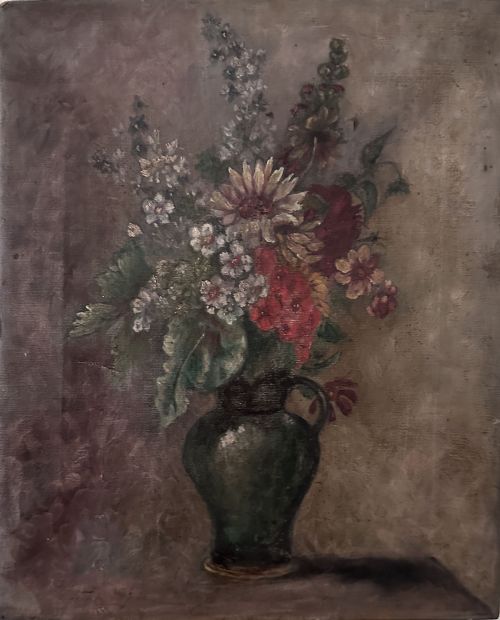
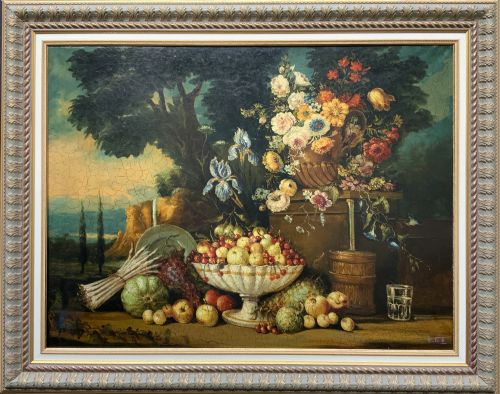
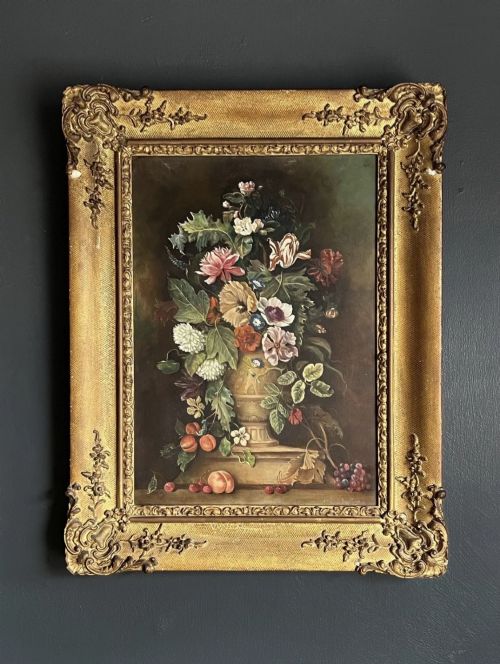
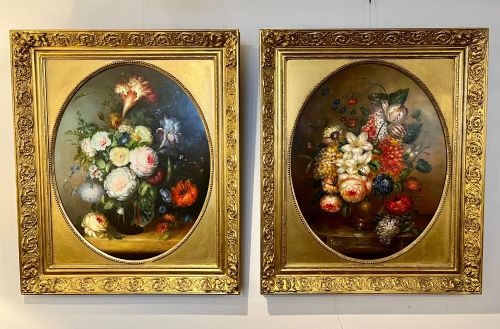
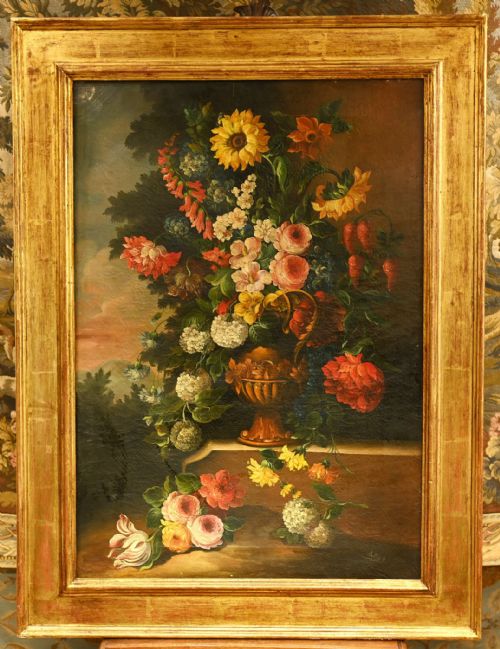


Dutch Floral Art
Dutch floral art brings centuries of layered petals, rich blooms and meticulous botanical observation directly into your interior.
Dutch Floral Art
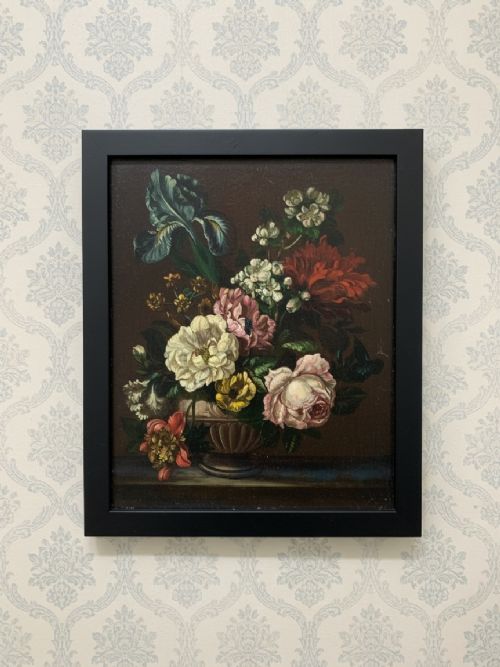
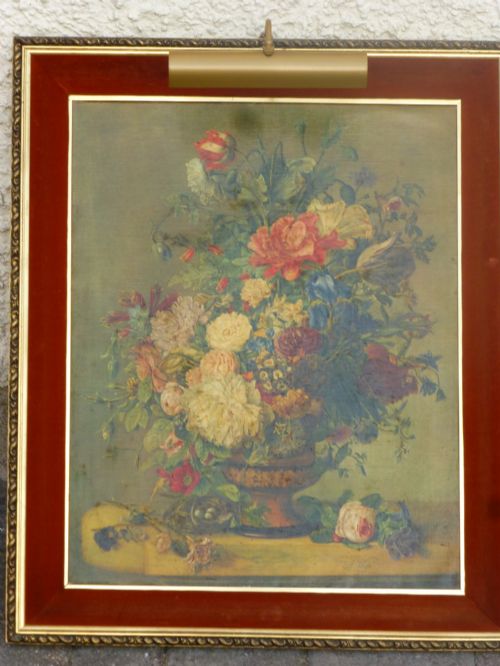
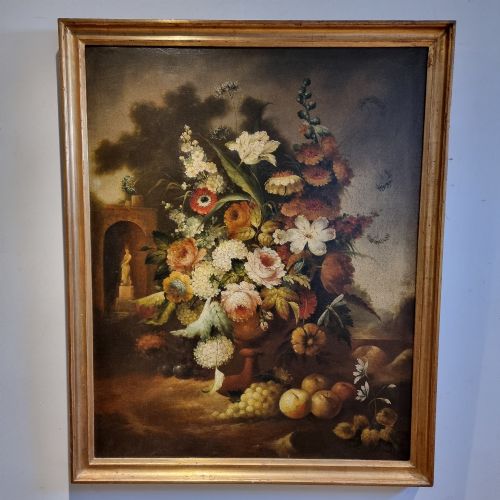
When you search for dutch floral art, you encounter oil paintings on canvas or panel, along with polychrome delftware charger plates and carved wooden cupboards.
The paintings span from seventeenth-century works by artists like Gaspar Peeter Verbruggen through to twentieth-century interpretations in the Dutch Golden Age style.
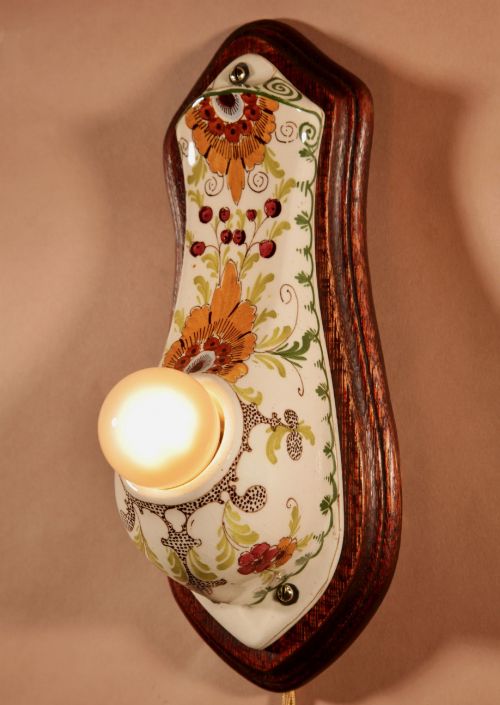
You also find ceramic night lights and oak barometers bearing floral and botanical motifs alongside traditional wall art.
Materials and construction
Painters utilised oil paint on stretched canvas, oak panels and boards, frequently housing their finished canvases in heavy gilded gesso frames.
Ceramic pieces such as delft chargers and night lights were formed in clay with polychrome glazes, while utilitarian items like cupboards relied on painted pine and solid oak.
Dutch Floral Art Retail Price Guide 2026
Typical asking prices for dutch floral art among the pieces listed under this phrase on Sellingantiques today, from the lower quarter to the upper quarter. They describe what is for sale here now, not the wider market.
Listings feature oil paintings, oil on panel, canvas works, brass accents, gilded gesso frames, oak panels and ceramic delftware spanning the seventeenth to twentieth centuries.
Judging the quality
The finest canvases display delicate control over light, shadow and botanical detail, capturing individual petals and insects with immense clarity.
Frame craftsmanship contributes significantly, where moulded gesso and gilding elevate the presentation of mid-century and nineteenth-century works.
Gaspar Peeter Verbruggen·Terence Loudon·Julien Stappers
The Dutch Floral Art Glossary
- Gesso
- A plaster-like mixture applied to wood frames before gilding or painting. It provides a smooth surface for intricate moulded ornamentation.
- Charger plate
- A large decorative ceramic dish, often featuring polychrome geometric floral patterns intended for display rather than dining.
- Oil on panel
- A painting executed on a flat wooden support such as oak rather than woven canvas. This surface offers a rigid foundation for fine brushwork.
- Trompe l'oeil
- An artistic technique that uses realistic imagery to create the optical illusion that the depicted objects exist in three dimensions.
- Delftware
- Tin-glazed earthenware produced in Dutch cities, characterised by white surfaces decorated with colourful or blue botanical motifs.
Dutch Floral Art: Frequently Asked Questions
How do I hang a large still life oil painting safely?
Heavy canvases and framed works require secure wall fixings distributed across appropriate studwork or masonry anchors. Professional mirror plates or multi-point hanging wire ensure the weight distributes evenly.
Position the centre of the canvas at standard eye level to replicate gallery display standards and protect the frame from accidental bumps.
Where should I place a ceramic charger plate?
Polychrome delft plates suit wall mounting using specialised wire hangers or display on sturdy wooden plate stands within cabinets. Keep them away from direct sunlight to preserve the vibrancy of the tin glaze.
Ensure the display location experiences minimal foot traffic to avoid accidental displacement of ceramic items.
How do I distinguish an eighteenth-century panel from a later copy?
Examine the reverse of the wooden support for natural ageing, tool marks and panel construction methods typical of earlier carpentry. Pigment analysis and canvas weave patterns also assist in identifying period authenticity.
Consulting signature styles and historical framing techniques provides further context for dating the artwork.
How do I care for antique oil paintings?
Maintain stable indoor humidity and temperature levels to prevent the canvas from slackening and the oil paint from developing tiny surface cracks. Dust the surface gently with a soft, dry brush without applying pressure.
Avoid using liquid cleaners or chemical solvents on both the canvas and the gilded gesso frame.