



Dutch Delft Urn
Dutch delft urn pieces bring tin-glazed earthenware and earthenware forms into domestic spaces, offering collectors painted blue and white ceramic depth.
Dutch Delft Urn
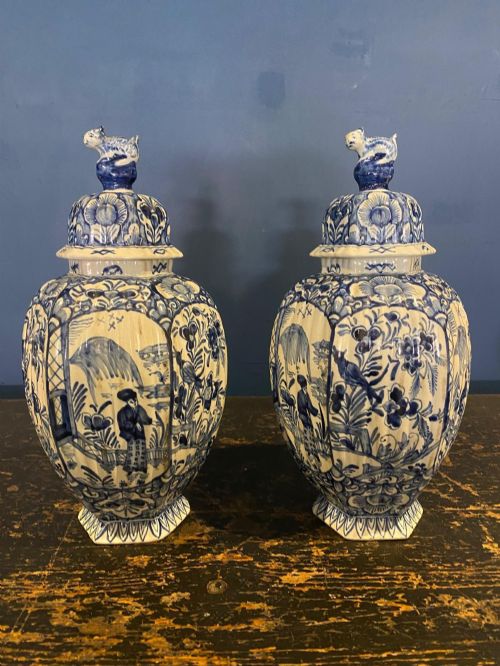
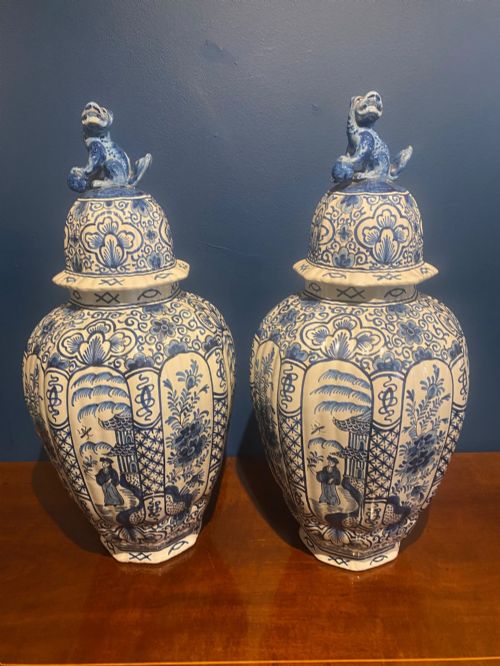
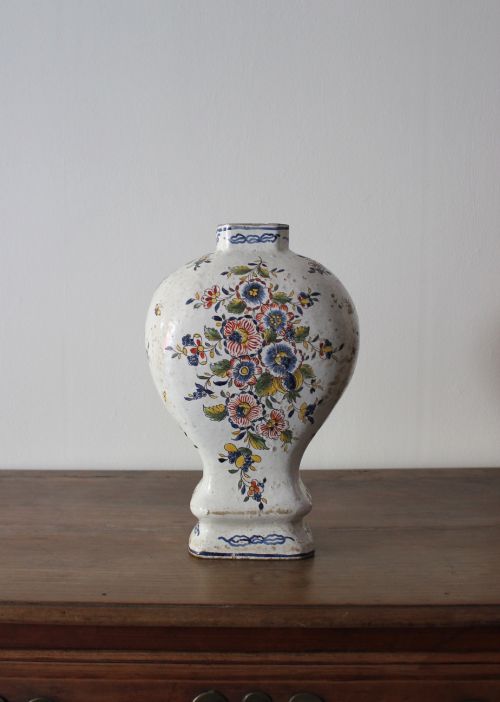
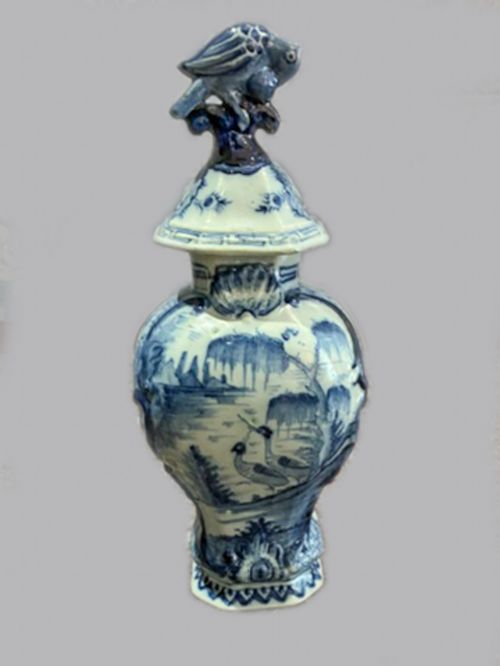
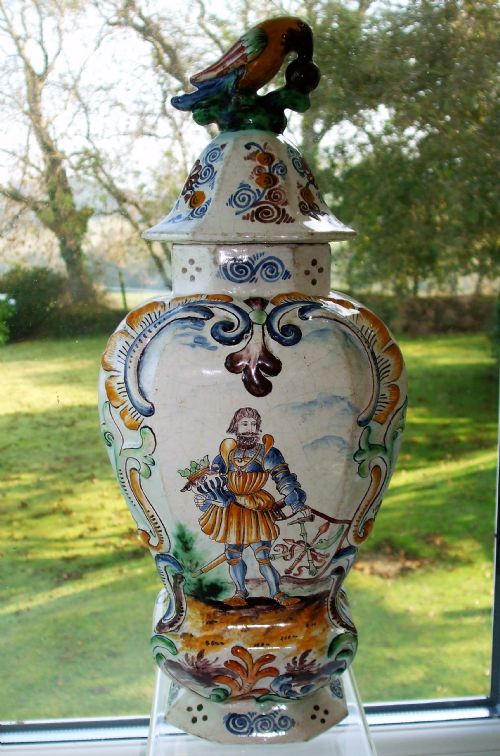
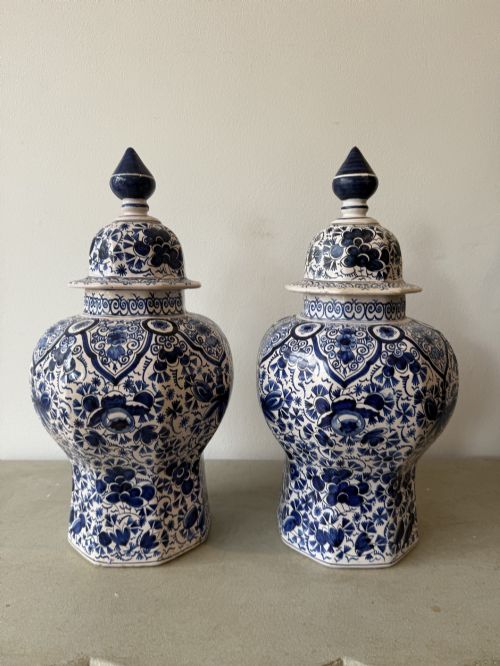
Collectors seeking a dutch delft urn encounter diverse earthenware forms spanning the 17th century through the 19th century. These pieces emerge as baluster vases, lidded jars, garden planters, and converted table lamps displaying blue, manganese, and polychrome palettes.
Materials and construction methods
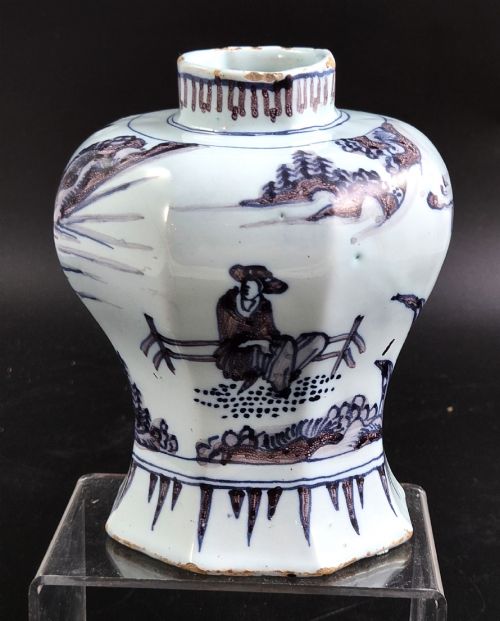
Potters shaped these objects from clay and earthenware, applying a tin glaze that provided an opaque white surface for hand-painted decoration. Artisans then fired the pieces to fuse the mineral pigments with the glaze, capturing blue and manganese tones.
Certain examples incorporate brass components or rest on gilt bases, particularly when adapted into lamps or fitted with covers. The technical execution relies on traditional ceramic forming and high-temperature kiln firing.
Dutch Delft Urn Retail Price Guide 2026
Typical asking prices for dutch delft urn among the pieces listed under this phrase on Sellingantiques today, from the lower quarter to the upper quarter. They describe what is for sale here now, not the wider market.
Listings span tin-glazed earthenware and clay across the 17th, 18th, and 19th centuries, incorporating brass and ceramic materials.
Distinctions in quality and execution
The standard of painting on tin-glazed earthenware defines the division between ordinary production and superior craftsmanship. Detailed brushwork depicting Chinoiserie figures, birds, and botanical elements demonstrates greater artist control.
Structural preservation and the integrity of the glaze and lid matching play significant roles in evaluation. Pieces retaining crisp octagonal profiles and clear pigment saturation stand apart from worn or heavily restored specimens.
The Dutch Delft Urn Glossary
- Tin-Glaze
- A ceramic glaze made opaque by the addition of tin oxide, creating a white background for painted decoration. This surface absorbs metal oxides to produce characteristic blue and manganese hues.
- Baluster
- An architectural or ceramic column shape that swells toward the bottom and tapers near the top. This profile frequently occurs in large decorative vases and jars.
- Chinoiserie
- European artistic styles reflecting Chinese decorative motifs and imagery, popular in 17th and 18th century ceramic painting. Artisans depicted scholars, birds, and garden scenes.
- Manganese
- A dark purple-brown metallic pigment used in ceramic decoration alongside traditional cobalt blue. It yields warm, earthy tones on tin-glazed earthenware.
Dutch Delft Urn: Frequently Asked Questions
How do I date a delft urn?
Dating relies on stylistic shifts in form, palette, and painting technique. 17th century examples often display intricate Chinoiserie details, while later pieces adopt Rococo Revival or 19th century proportions.
Examination of the earthenware body and glaze crazing also assists in establishing the period of manufacture.
Are these urns waterproof?
Tin-glazed earthenware is porous by nature and subject to moisture absorption over time. Using these vessels for fresh flowers requires an internal glass or ceramic liner.
Displaying them dry preserves the integrity of the historic glaze and body.
How should I clean my delft urn?
Gentle dusting with a soft, dry cloth is sufficient for routine maintenance. Avoid chemical cleaners and water immersion, which can penetrate historic earthenware bodies.
Careful handling prevents damage to the tin glaze and painted surfaces.
Why do some urns have lids?
Lidded jars and baluster vases were originally produced to store dry goods, spices, or tobacco. Over centuries, many covers became separated from their companion vessels.
Finding a piece with its original matching lid remains a notable attribute for collectors.