







Dutch Delft Platters
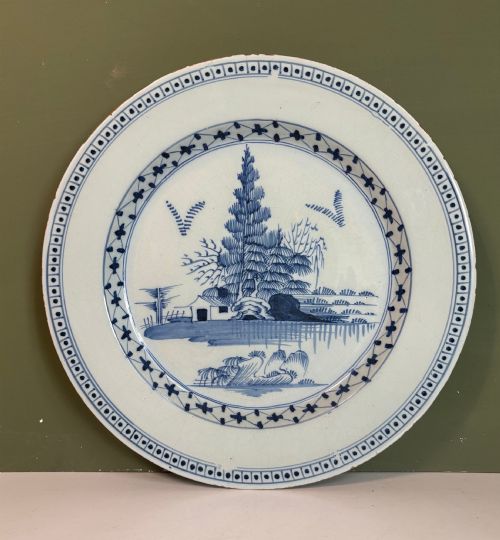
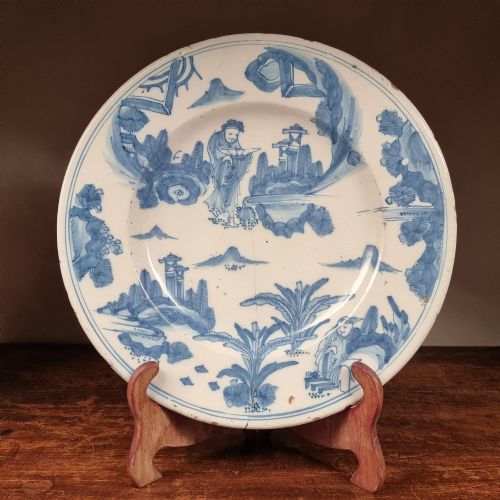
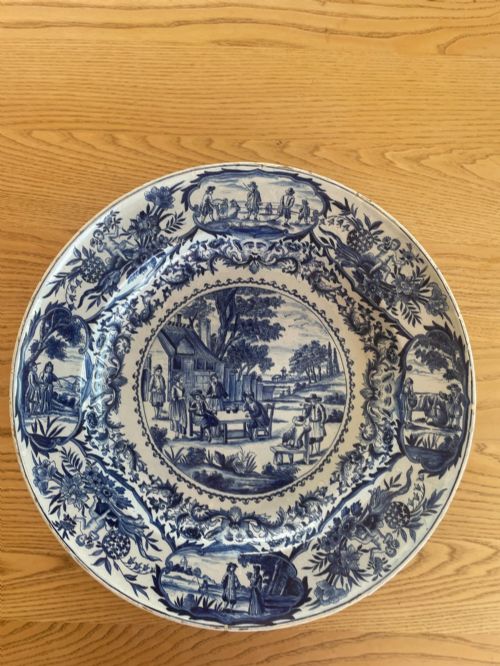
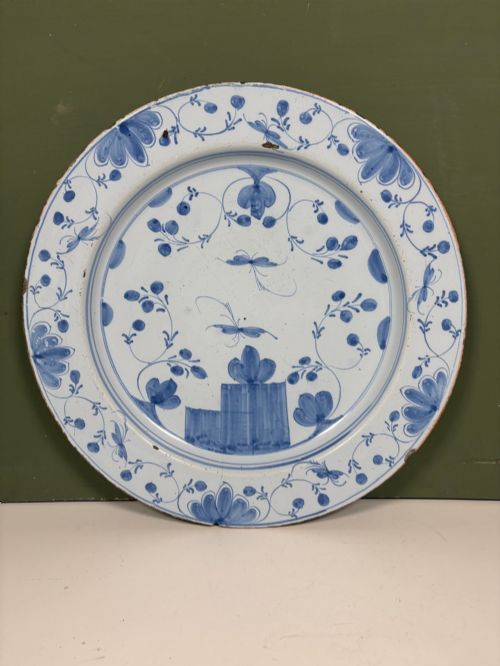
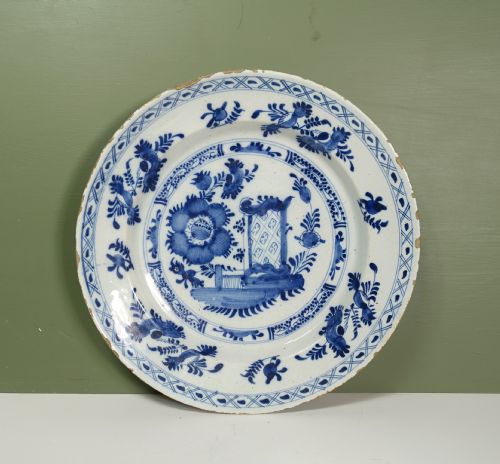
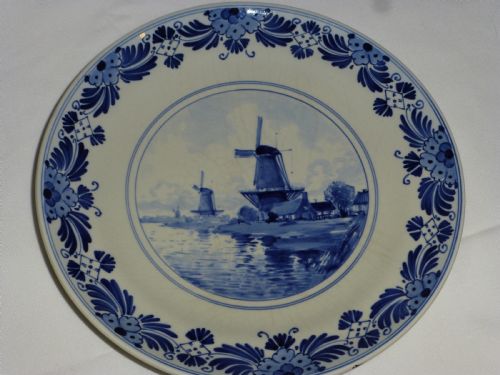
These Dutch delft platters are tin-glazed earthenware chargers bringing hand-painted blue and white or polychrome colour to a wall or table.
Dutch Delft Platters
Dutch delft platters span the seventeenth, eighteenth, and nineteenth centuries, appearing primarily as large chargers and decorative plates. When searching for dutch delft platters, collectors encounter significant circular wall chargers and serving dishes shaped by hand.
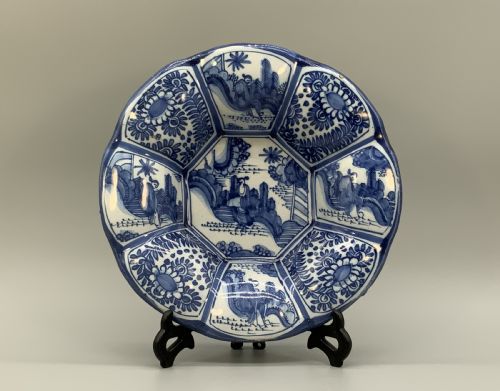
The objects take several forms, including lobed dishes and large charger plates finished with cobalt oxide or manganese pigments. Eighteenth-century examples dominate the selections, alongside seventeenth-century precursors and nineteenth-century interpretations.
Makers and potteries sometimes marked their output, such as pieces associated with De Witte Ster. The aesthetic draws heavily on Dutch Baroque sensibilities and Chinoiserie motifs executed in cobalt pigment.
How they were made
Potters formed these pieces using earthenware clay, coating the fired body in a tin glaze that provided an opaque white surface for painting. Artisans applied cobalt oxide, manganese, and polychrome pigments directly onto this absorbent glaze before the final firing.
The grand feu technique allowed pigments to fuse into the wet tin glaze at high temperatures, creating soft borders around the painted motifs. Master painters executed freehand landscapes, floral arrangements, and Kraak style figures with rapid brushwork.
Dutch Delft Platters Retail Price Guide 2026
Typical asking prices for dutch delft platters among the pieces listed under this phrase on Sellingantiques today, from the lower quarter to the upper quarter. They describe what is for sale here now, not the wider market.
Object forms on this page range from standard decorative plates and wall chargers to lobed dishes employing Chinoiserie and Kraak styles.
What varies in quality
The distinction between ordinary plates and superior chargers rests in the ambition of the hand-painted decoration and the crispness of the cobalt pigment. Grand feu polychrome plates and large seventeenth-century chargers display greater artistic control than standard blue and white pieces.
The depth of the tin glaze and the control over kiln temperature determine the visual resonance of the surface. Rich manganese tones and deep cobalt blues indicate superior workshop execution.
De Witte Ster
The Dutch Delft Platters Glossary
- Tin-Glazed Earthenware
- Pottery fired twice, first with a clay body and then coated in an opaque white glaze containing tin oxide. This white surface served as the canvas for painted decoration.
- Cobalt Oxide
- A mineral pigment used beneath or within the glaze to produce deep blue tones under high kiln temperatures. It remains the defining colour of traditional delftware.
- Grand Feu
- A firing method where raw pigments applied to an unfired glaze mature in the kiln simultaneously. This technique fuses the colours deeply into the white surface.
- Kraak Style
- A decorative approach inspired by Chinese porcelain imports featuring segmented panels and central botanical motifs. Dutch potteries adapted these designs during the seventeenth century.
- Manganese
- A metallic pigment yielding purple, brown, or plum hues on tin-glazed surfaces. It appears frequently alongside or instead of cobalt.
Dutch Delft Platters: Frequently Asked Questions
How were dutch delft platters displayed?
These large chargers were primarily produced for decorative display on walls or dresser plate racks rather than heavy dining use. Their generous diameters and painted surfaces made them centrepieces in prosperous Dutch interiors.
Over the centuries, collectors continued to hang them using wire frames or mount them on surfaces to protect the fragile tin-glazed edges from chipping.
What is the difference between delft and porcelain?
Delft platters are made from earthenware clay coated in a tin glaze, making the body softer and more porous than true porcelain. Porcelain is a vitrified ceramic fired at much higher temperatures from hard-paste ingredients.
Because delft uses an earthenware base, the edges and reverses often show the buff-coloured clay beneath losses in the white tin glaze.
How do I date a dutch delft platter?
Dating relies on stylistic shifts from seventeenth-century Kraak influences and Dutch Baroque forms toward lighter eighteenth-century compositions and nineteenth-century revivals. The handling of the cobalt pigment and the thickness of the earthenware body also shift across these periods.
Earlier pieces often feature heavier thrown bodies and deeper tin glazes, while later nineteenth-century examples display cleaner, more uniform ceramic bases.
Can dutch delft platters hold food?
While originally functional serving vessels, the porous earthenware and historic tin glaze make them unsuited for modern culinary use. Acids in food can destabilise the old glaze, and dishwashing will damage the soft surface.
Owners today treat them as works of art, keeping them dry and away from moisture to preserve the historic pigments.