


Duchess Chest Drawers
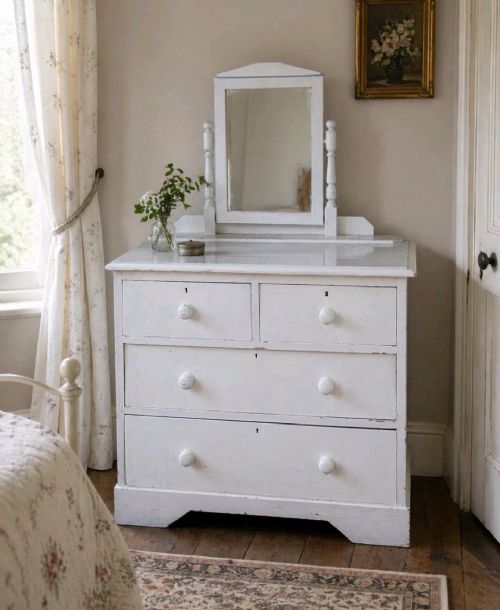
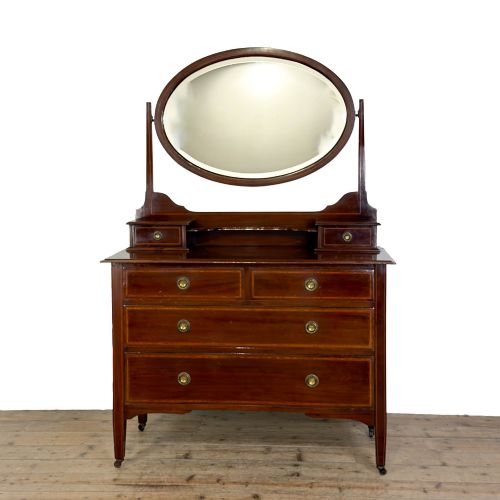
These duchess chest drawers combine a dressing table and a chest of drawers into one substantial bedroom piece, offering surface space and deep storage.
Duchess Chest Drawers
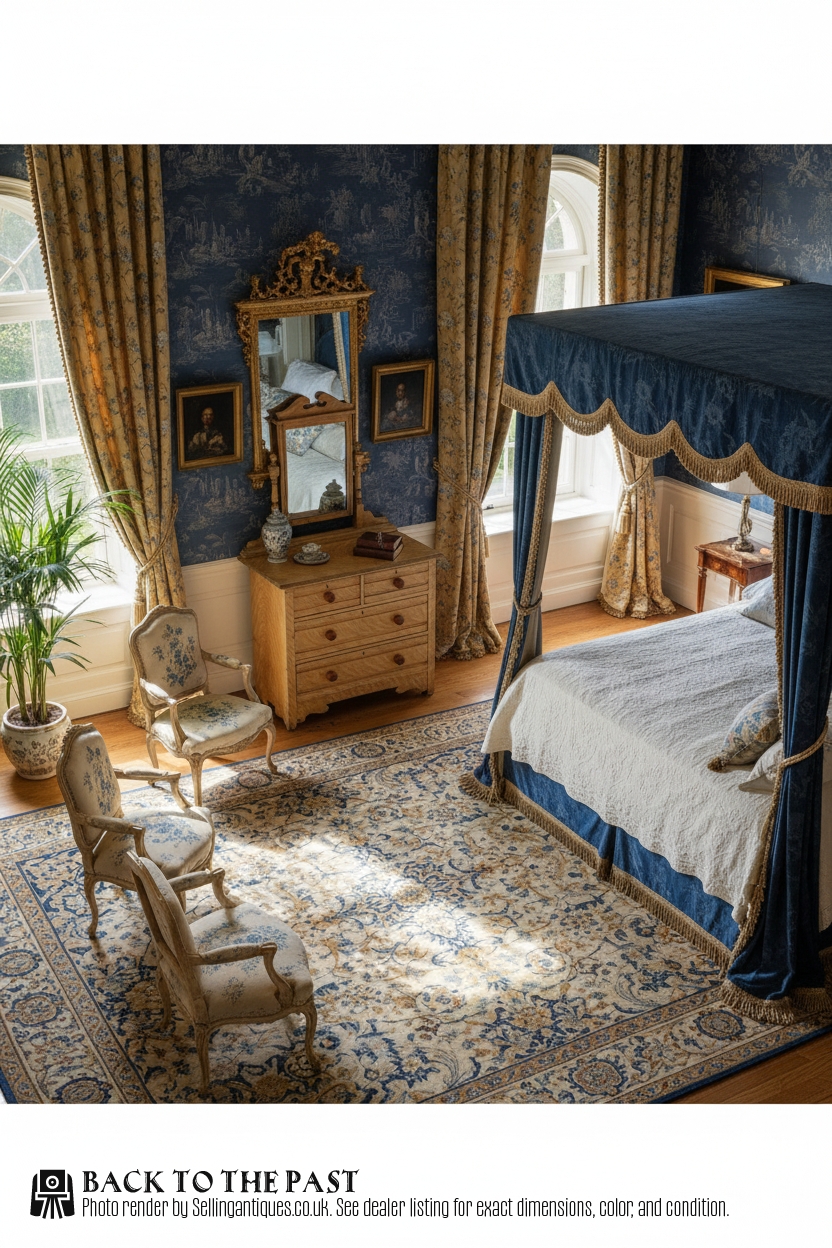
A duchess chest drawers combines the surface and mirror of a dressing table with the deep storage of a chest of drawers, creating a substantial piece for the bedroom. When you search for duchess chest drawers, you encounter pieces primarily from the Victorian and Edwardian periods, alongside examples dated around nineteen hundred.
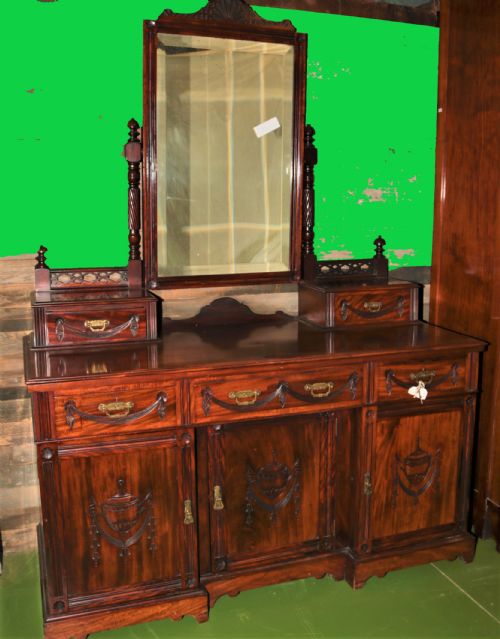
The forms listed here span several distinct styles, including Victorian Country, Rustic Farmhouse, and Victorian Rococo Revival. You will find object types classified as dressing tables, dressing chests, and combined dressing table chests of drawers.
Origins and construction reflect the domestic requirements of the nineteenth and early twentieth centuries. Pieces often integrate a central mirror flanked by smaller drawers or jewellery compartments above the main drawer tiers.
How they were made
Makers utilised a variety of solid timbers and secondary woods, recording materials such as pine, mahogany, satinwood, oak, softwood, and satin birch in the construction. These woods provided both the structural carcase strength and the fine exterior surfaces required for daily use.
Surface treatments and hardware played a defining role in the final appearance, incorporating brass fittings, glass elements, and decorative finishes like paint and scumble glazing. Stencilled decoration appears on several pieces, adding patterned detail to the timber or painted surfaces.
Several pieces feature scumble glazing, proving that nineteenth century folk loved a clever wood-effect paint job just as much as we do.
What varies in quality
The distinction between standard examples and finer pieces lies in the selection of timber and the ambition of the decorative finish. Elaborate revival styles and painted or scumble glazed surfaces demand greater skill from the cabinet maker than plain utilitarian versions.
Hardware choices, from brass handles to integrated glass components, indicate the original tier of production. The integration of the mirror superstructure with the lower chest demonstrates the structural ambition of the workshop.
The Duchess Chest Drawers Glossary
- Scumble glazing
- A decorative painting technique where translucent coloured glaze is manipulated over a base coat to simulate the grain of more expensive timbers. This finish was widely applied to pine and softwood to elevate their visual appeal.
- Satin birch
- A pale, lustrous hardwood with a fine grain, often utilised in late nineteenth and early twentieth century cabinet making for its decorative properties. It offers a bright alternative to darker mahoganies and oaks.
- Dressing chest
- A lower chest of drawers fitted with an attached mirror superstructure, designed for personal grooming. It forms the core functional typology of the pieces on this page.
- Pedestal dressing table
- A form featuring banks of drawers descending to the floor on either side of a central kneehole space. This layout provides expanded storage beneath the main surface.
- Rococo Revival
- A nineteenth century design movement characterised by exuberant, asymmetrical flowing curves and naturalistic ornamentation. Pieces in this style display elaborate decorative flourishes.
Duchess Chest Drawers: Frequently Asked Questions
How do I date these pieces?
Dating relies on examining the timber species, construction methods, and decorative styles recorded in the physical evidence. Pieces span the Victorian and Edwardian eras, alongside items specifically noted around nineteen hundred.
Stylistic indicators such as Rococo Revival details or simple farmhouse vernacular help place an item within its historical period. Secondary woods and hardware also offer chronological clues.
Were these painted originally?
Many nineteenth century pieces were painted or decorated with scumble glaze to enhance common timbers like pine and softwood. This provided an attractive finish without relying on expensive imported hardwoods.
Stencilled decoration and painted surfaces appear frequently across the surviving examples. These finishes represent authentic period production methods rather than later alterations.
Where were they used?
These pieces were designed specifically for the bedroom, functioning as the primary furniture item for grooming and dressing. Their substantial presence suited the domestic proportions of Victorian and Edwardian homes.
Today, they serve the same practical purpose in period or contemporary interiors while providing functional surface and drawer space.