

Drinks Storage Cabinet
These drinks storage cabinet pieces range from Georgian wine coolers to Art Deco cocktail bars designed to house bottles and glassware.
Drinks Storage Cabinet
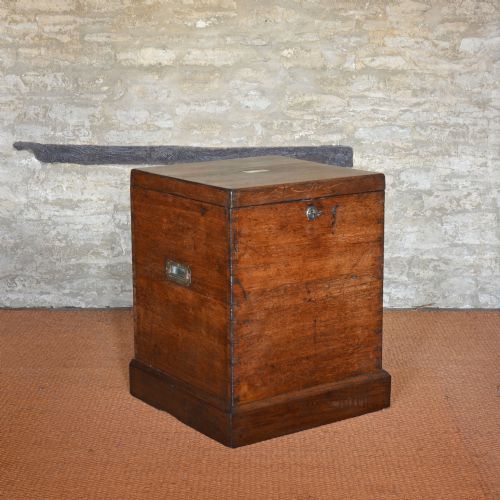
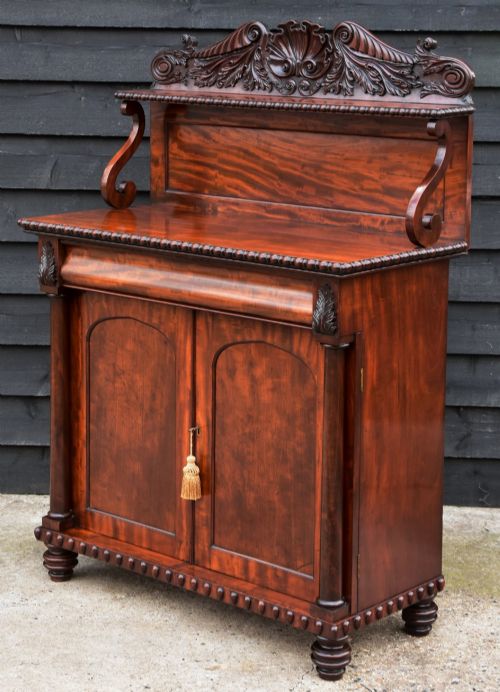
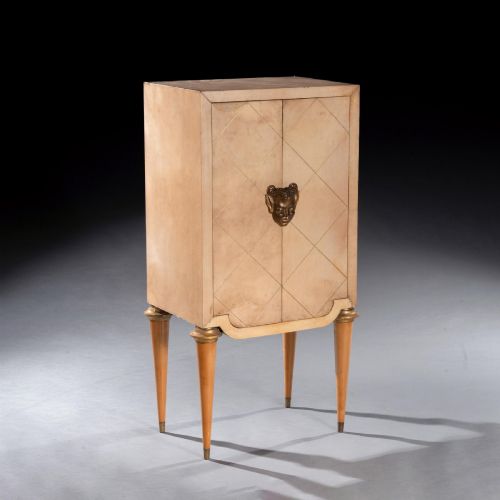
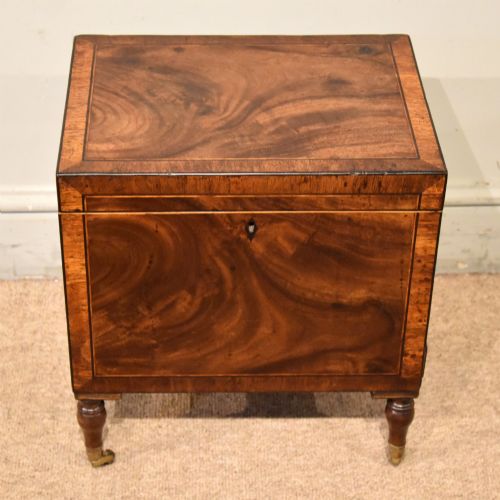
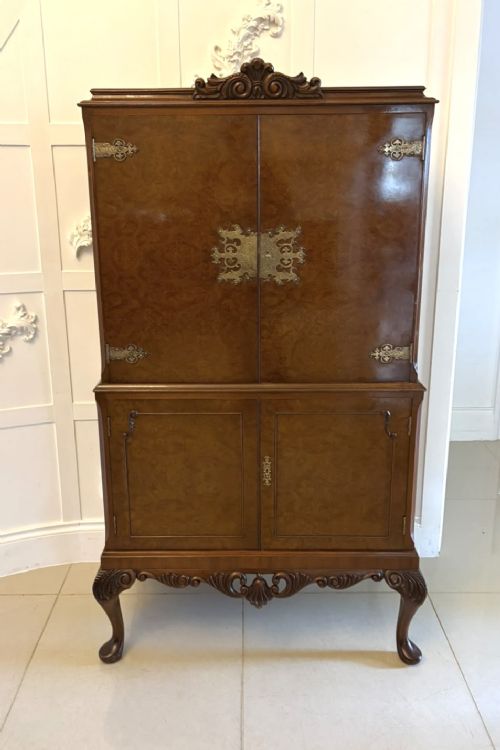
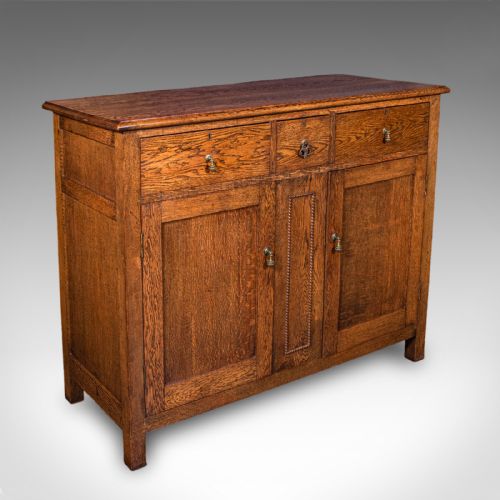
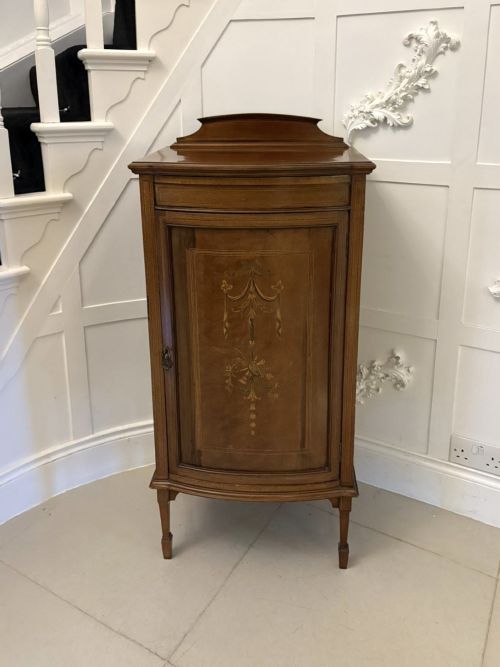
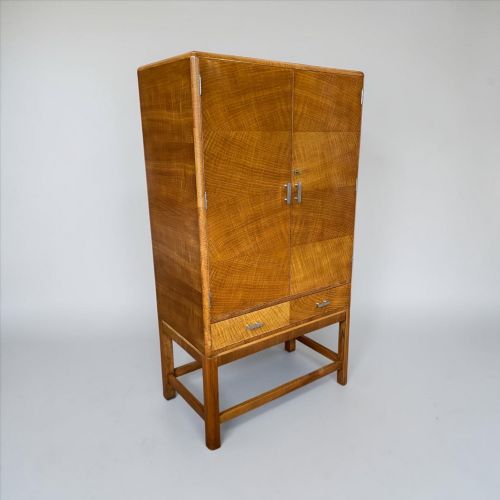
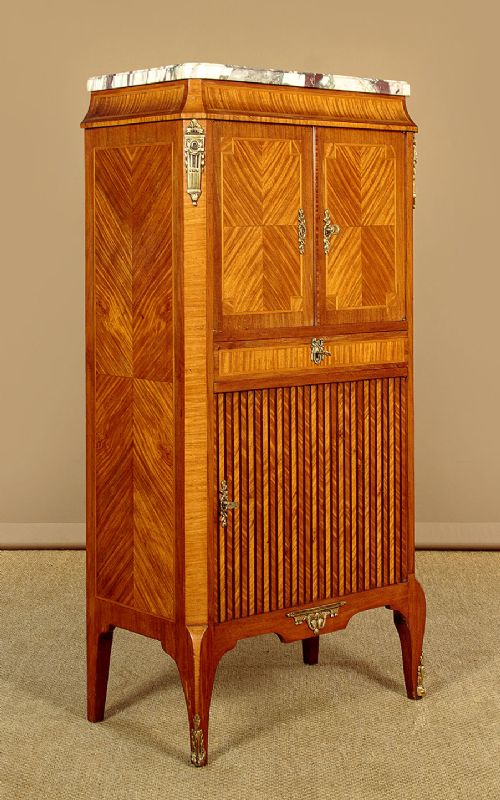
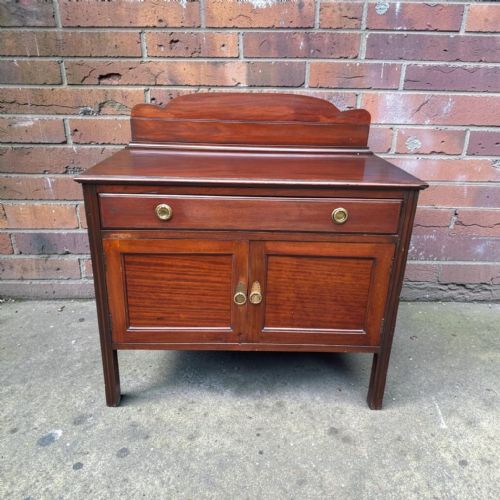
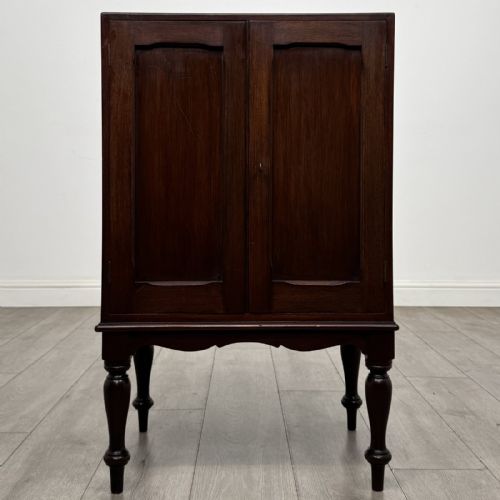
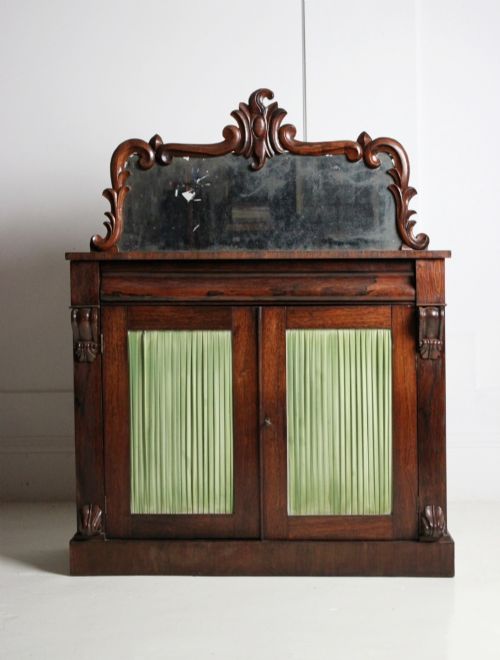
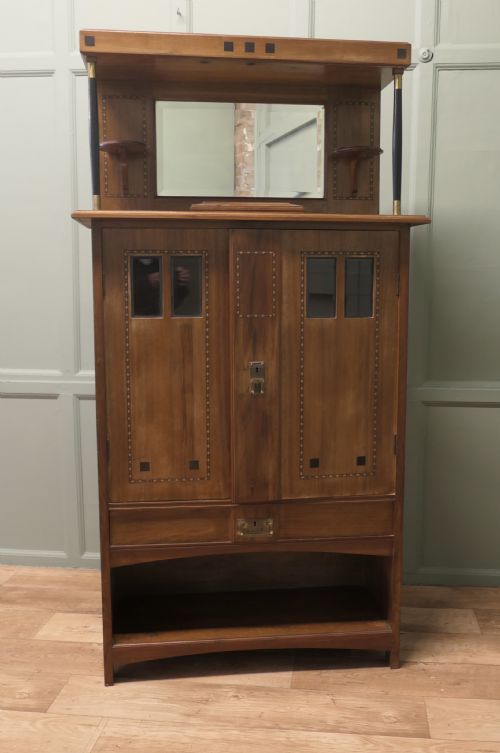
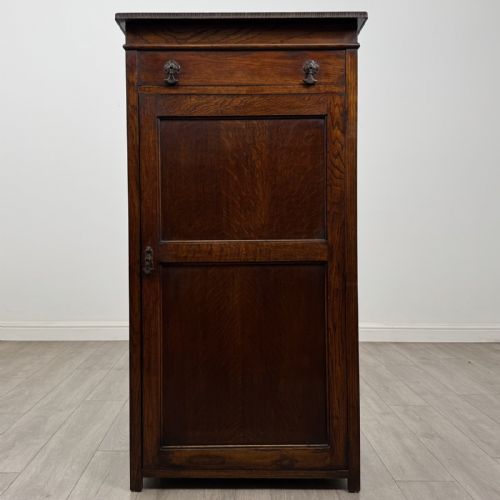
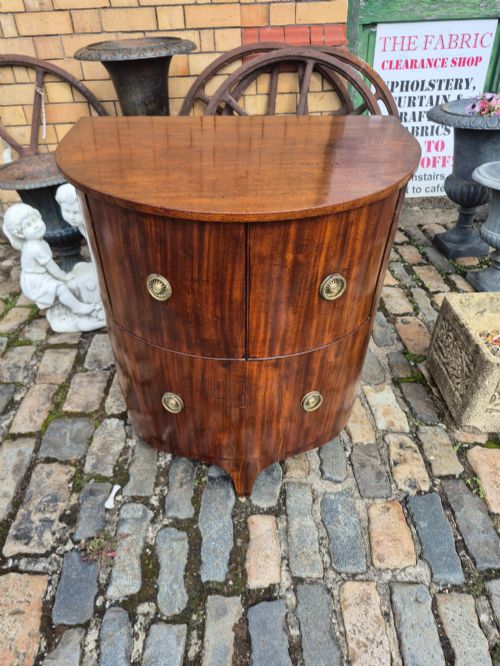
A drinks storage cabinet serves the practical purpose of housing bottles, glassware, and decanters within domestic spaces. When you search for drinks storage cabinet, you encounter forms ranging from Georgian cellarettes and Victorian chiffoniers to 1920s cocktail cabinets and 1930s Art Deco pieces.
The selections span multiple periods, including the Georgian era, the Victorian period, Edwardian pieces, and the 1930s. The most frequent examples include side cabinets, cocktail cabinets, and chiffoniers outfitted with doors, lift-up lids, or glass displays.
How they were made
Craftsmen built these pieces using solid timbers and decorative veneers such as mahogany, walnut, burr walnut, rosewood, oak, and teak. Brass hardware, glass panels, and occasional marble tops complete the construction of the cabinetry.
Stylistic details draw upon Regency, Art Deco, Chinoiserie lacquer, Jacobean Revival, and Queen Anne Revival traditions. Makers utilised crossbanding, inlay, carving, and baluster-turned or cabriole legs to finish the surfaces.
Drinks Storage Cabinet Retail Price Guide 2026
Typical asking prices for drinks storage cabinet among the pieces listed under this phrase on Sellingantiques today, from the lower quarter to the upper quarter. They describe what is for sale here now, not the wider market.
One unexpected Victorian survivor is a veranda gin cabinet originating from Ceylon, built in teak as a corner cupboard.
What varies in quality
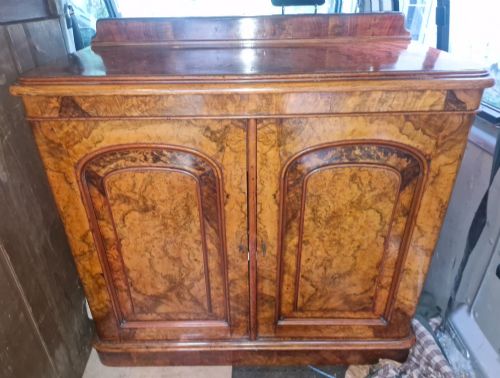
The standard of timber selection and veneer matching defines the upper tier of these pieces. Burr walnut and figured mahogany displays show careful grain alignment across doors and panels.
Internal planning and structural integrity set individual examples apart. Fitted compartments for bottles, specialised glassware storage, and solid hardware indicate higher workshop origins.
Denby and Spinks·Harry and Lou Epstein·Hille
The Drinks Storage Cabinet Glossary
- Cellarette
- A lockable container or cabinet designed for storing wine bottles safely. These often date from the Georgian and Regency periods and may sit on the floor or on dedicated stands.
- Crossbanding
- A decorative border technique where thin strips of veneer are laid with the grain running perpendicular to the main panel. This frames the primary timber surface.
- Secessionist
- A stylistic movement from around 1900 that broke away from traditional historicism. It prioritised clean geometric lines and minimal ornamentation.
Drinks Storage Cabinet: Frequently Asked Questions
What is a cellarette?
A cellarette is a dedicated storage vessel for wine bottles, frequently seen in Georgian and Regency periods. They were built to keep bottles secure and accessible in dining rooms.
Many examples feature lead-lined interiors or compartmentalised wooden inserts designed to hold individual bottles upright or on their sides.
How do I use a cocktail cabinet today?
These cabinets suit modern living rooms or dining areas as functional bars for hosting guests. The internal shelves hold glassware while lower compartments accommodate liquor bottles.
Lift-up lids and drop-down fronts on 1920s and 1930s pieces provide a convenient surface for pouring drinks.
What is the difference between a chiffonier and a side cabinet?
A chiffonier is a specific Victorian or nineteenth-century form that typically includes enclosed lower cupboards and sometimes a low superstructure or shelf at the back. Side cabinets cover a broader range of general storage furniture without that specific traditional layout.
Both serve similar placement needs in a dining room or hallway.
How do I identify Art Deco drinks cabinets?
Art Deco pieces from the 1930s generally display symmetrical geometric forms and bold burr walnut or rosewood veneers. They often feature specialised internal lighting and pull-down cocktail serving surfaces.
Work by known firms like Hille or Epstein exemplifies this distinct decorative style.