





Dresden Porcelain Lighting
These dresden porcelain lighting pieces bring sculptural German craft into your rooms, offering figural charm and period illumination.
Dresden Porcelain Lighting
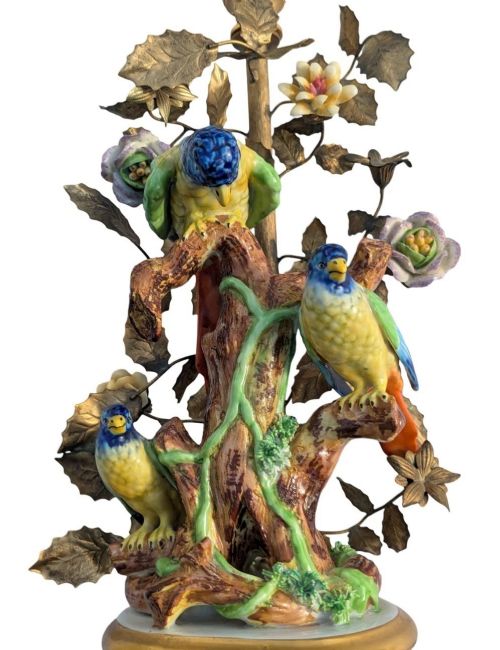
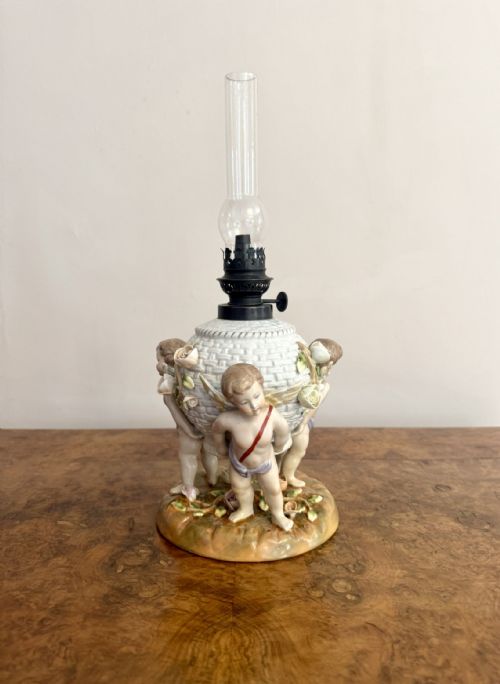
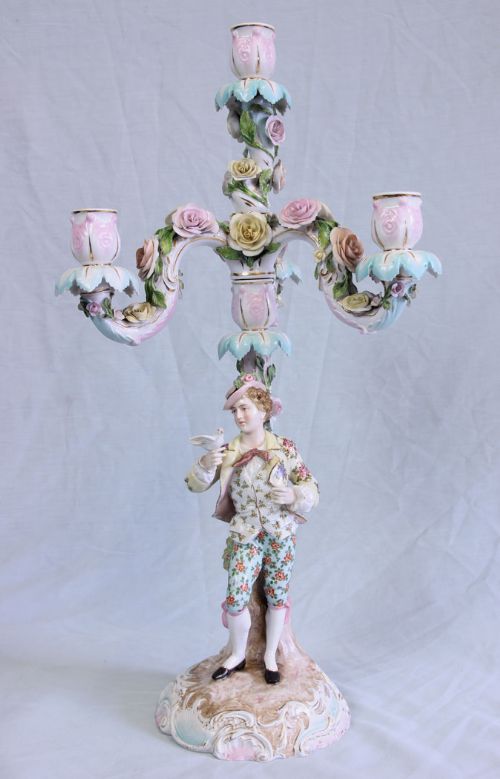
When you search for dresden porcelain lighting, you encounter figural lamps, candelabra, and sconces made in German factories during the nineteenth and early twentieth centuries. These decorative items combine functional lighting with ornate sculptural elements, frequently depicting pastoral figures, birds, and floral motifs.
You are most likely to meet Victorian and Rococo Revival forms on this page, spanning periods from the 1880s through to the 1930s. The selection ranges from single table lamps to multi-arm candelabra and wall sconces.
The objects frequently utilise porcelain paired with brass, gilt metal, and glass components. Many pieces originate from specific manufacturers such as Sitzendorf and Von Schierholz.
How dresden porcelain lighting was made
Makers utilised fired porcelain shaped into figural and floral forms, often hand-painted with enamel details and accented with gold leaf or gilt. These porcelain elements were then mounted to metal bases or fitted with brass and gilt metal hardware to support candles or oil burners.
Craftsmen built complex candelabra and oil lamps by combining moulded porcelain parts with structural metal fittings. Enamel work and applied floral details required careful hand assembly before the final firing.
Dresden Porcelain Lighting Retail Price Guide 2026
Typical asking prices for dresden porcelain lighting among the pieces listed under this phrase on Sellingantiques today, from the lower quarter to the upper quarter. They describe what is for sale here now, not the wider market.
A shepherd and a lute player permanently serenade your sideboard from their porcelain posts.
What varies in quality in dresden porcelain lighting
The integrity of the structural mounts and the harmony between the porcelain figures and the brass or gilt metal framework dictate the overall success of the piece.
Sitzendorf·Von Schierholz
The Dresden Porcelain Lighting Glossary
- Candelabra
- A branched candlestick designed to hold multiple candles. These often feature figural porcelain columns and elaborate arms.
- Sitzendorf
- A nineteenth-century German porcelain factory known for figural candelabra, lamps, and decorative wares. Their pieces frequently incorporate detailed pastoral figures and applied flowers.
- Rococo Revival
- A nineteenth-century design style characterised by asymmetrical scrolls, C-scrolls, and naturalistic plant motifs. This style heavily influences the ornamentation of these porcelain lamps.
- Von Schierholz
- A German porcelain manufacturer noted for producing ornamental porcelain wares including wall sconces. Their work often reflects traditional craftsmanship techniques.
- Gilt Metal
- Metal treated with a gold-coloured finish or gold leaf to resemble solid gold. It provides structural support for the porcelain elements in lamps and sconces.
Dresden Porcelain Lighting: Frequently Asked Questions
What periods do these pieces date from?
The listings encompass items from the Victorian era and the late nineteenth century, specifically spanning the 1880s, 1890s, and 1900. Later examples extend into the 1930s.
Production during these decades maintained traditional German porcelain techniques, with distinct shifts in ornamentation between the Victorian period and the early twentieth century.
How were oil lamps used historically?
Antique oil lamps served as primary domestic illumination before widespread electrical lighting, burning oil contained within a central reservoir.
They were placed on tables or sideboards in principal rooms, combining practical lighting with decorative porcelain figures that displayed social status.
Can these antique lamps be used today?
Many oil lamps and candelabra are adapted for modern electrical use or utilised with candles depending on their original construction. Careful rewiring by a professional is often necessary for electrified porcelain lamps.
Placing them on stable surfaces away from heavy traffic ensures safe daily enjoyment in a modern interior.
How do I identify Sitzendorf porcelain?
Sitzendorf pieces typically feature detailed figural modelling such as shepherds, shepherdesses, and musicians alongside applied floral encrustations. Examining the style of the hand-painted enamel and the sculptural execution helps distinguish the factory's output.
Reference to nineteenth-century German design characteristics also aids in confirming the origin.