



Dovetailed Pine Box
These robust dovetailed pine box pieces offer practical utility alongside honest country character, making them essential additions to a traditional interior scheme.
Dovetailed Pine Box
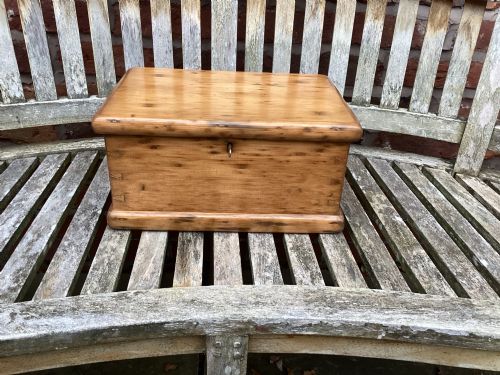
A dovetailed pine box provides straightforward storage through simple timber construction designed for domestic use. The pieces seen span several eras, reaching from early seventeenth-century work through Georgian and Victorian examples up to nineteen-hundred pieces.
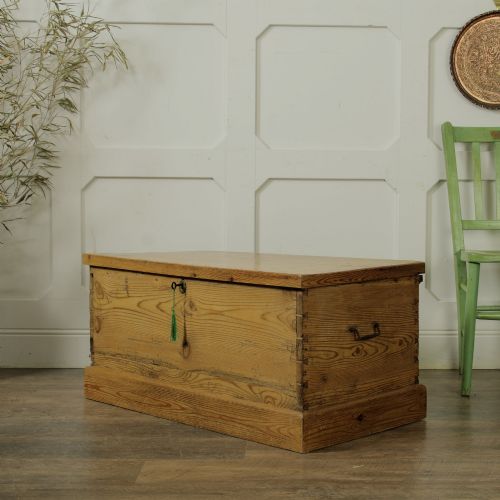
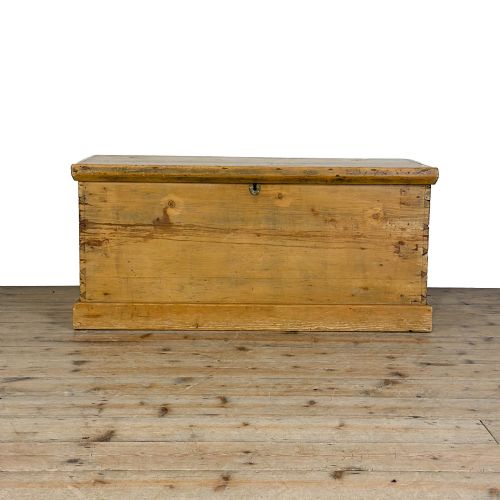
The dominant forms on this page include blanket boxes, storage chests, mule chests, and trunks, frequently fitted with side handles or internal drawers. Most examples belong to the Victorian period, reflecting the widespread utility of softwood chests during the nineteenth century.
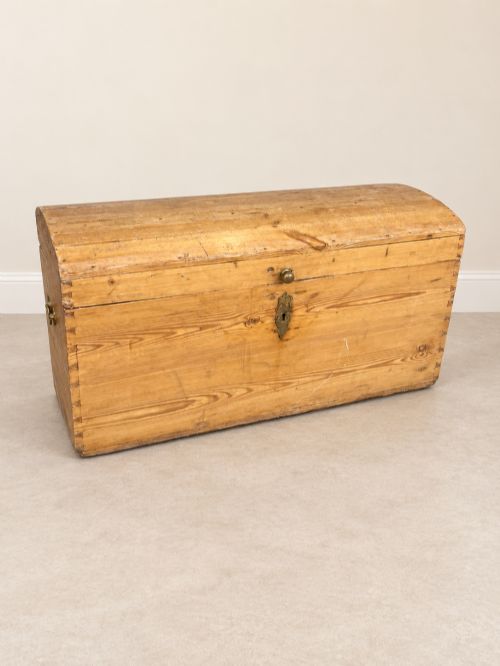
Rustic farmhouse and country styles predominate, showing the practical nature of these chests. Buyers encounter flat lids, domed tops, and fitted interiors containing small drawers for organising belongings.
What varies in quality
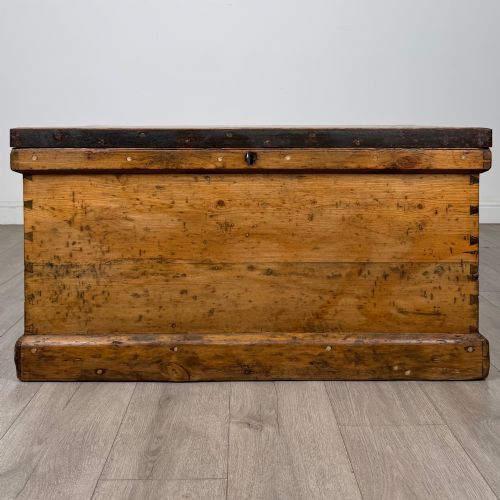
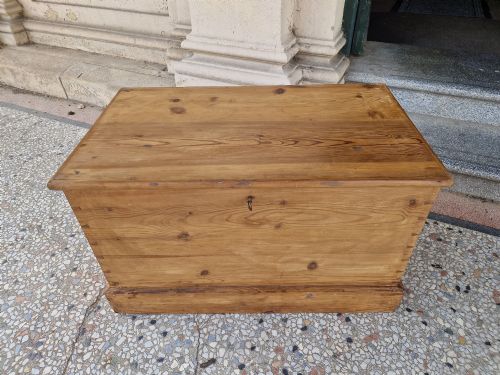
Quality rests in the tightness and precision of the corner joinery, where hand-cut dovetails demonstrate the maker's skill. The thickness of the pine boards and the integrity of the original hardware also separate standard storage boxes from superior examples.
Internal complexity elevates certain chests, such as those incorporating fitted sets of small drawers or compartmentalised trays. The survival of original surfaces, whether waxed or stripped, affects the visual coherence of each piece.
Dovetailed Pine Box Retail Price Guide 2026
Typical asking prices for dovetailed pine box among the pieces listed under this phrase on Sellingantiques today, from the lower quarter to the upper quarter. They describe what is for sale here now, not the wider market.
Listings span five distinct periods, ranging from seventeenth-century examples to nineteen-hundred pieces, constructed in pine and pitch pine.
The Dovetailed Pine Box Glossary
- Dovetail
- A joint formed by interlocking wedge-shaped fingers, known as pins and tails, providing high tensile strength at the corners of a box. This construction method defines the joinery of traditional pine chests.
- Mule chest
- A storage chest featuring one or more drawers built into the base beneath the main compartment. This form bridges the traditional blanket box and the chest of drawers.
- Pitch pine
- A resinous pine variety known for its dense grain and durability, frequently utilised in nineteenth-century trunk construction. It offers greater weight and resilience than standard softwoods.
- Blanket box
- A deep chest traditionally utilised for storing woollen blankets and household textiles out of season. These pieces typically feature hinged lids and simple rectangular proportions.
- Domed top
- A curved lid construction that sheds water and increases internal capacity above the rim of the box. This profile appears on trunks designed for travel or heavy-duty storage.
Dovetailed Pine Box: Frequently Asked Questions
What is a dovetailed pine box?
A dovetailed pine box is a utilitarian storage chest built with interlocking corner joints. These pieces range from simple blanket boxes to fitted mule chests with internal drawers.
Craftsmen utilised pine and pitch pine for their accessibility and strength. The resulting chests served domestic storage needs across the seventeenth, eighteenth, and nineteenth centuries.
How were these chests used?
Households relied on these chests for storing blankets, linens, and personal possessions. Side handles allowed servants or owners to transport the trunks when necessary.
Internal compartments and small drawers helped organise smaller items within the main storage cavity. Their robust construction suited daily domestic service.
How do I date a pine chest?
Dating relies on construction methods, hardware types, and overall form. Seventeenth-century examples display heavier framing and hand-tool marks, whereas Victorian pieces often utilise machine-sawn boards alongside traditional dovetails.
Stylistic cues such as domed lids, bracket feet, and the presence of base drawers point toward specific periods like the Georgian era or the turn of the twentieth century.
How do I care for antique pine?
Antique pine responds best to stable indoor humidity and gentle cleaning with a soft cloth. Wax finishes benefit from occasional replenishment to nourish the softwood surface.
Avoid placing these chests near direct heat sources to prevent timber shrinkage and splitting. Proper placement preserves both the structural joinery and the surface character.