






Doulton Ceramic Pot
These doulton ceramic pot pieces are robust works of British pottery, prized for their decorative glazes and sturdy stoneware forms.
Doulton Ceramic Pot
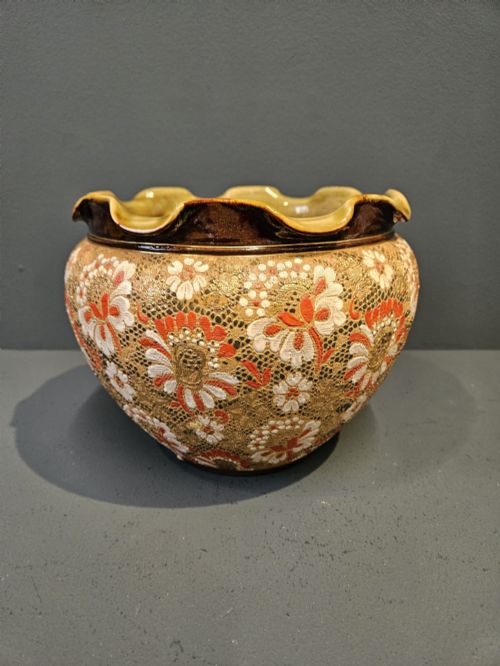
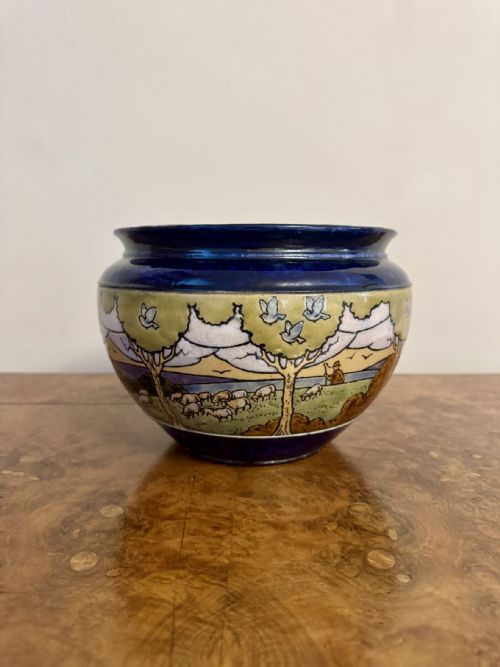
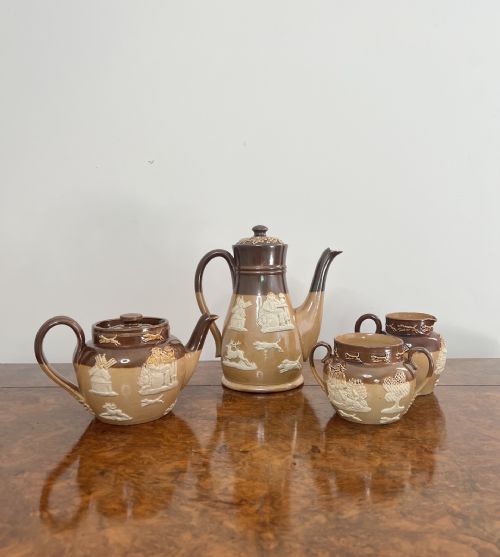
When searching for a doulton ceramic pot, collectors encounter a diverse range of forms including jardinieres, planters, vases, tea sets, and tobacco jars. The selection spans periods from the nineteenth century through the Edwardian era, encompassing Victorian and Arts and Crafts movements.
The most common vessels on this page are jardinieres and planters intended for botanical displays, often featuring detailed surface decoration. These robust objects reflect the shifting design aesthetics of British workshops across several decades.
How they were made
These pieces utilise durable stoneware and earthenware bodies formed into substantial vessels suited for domestic display and planting. Potters applied rich glazes alongside intricate surface detailing to achieve varied textural effects.
Many examples incorporate decorative touches such as enamel work and gold leaf highlights applied over the fired ceramic body. The combination of dense clay bodies and specialised glazing techniques defines the structural character of these works.
Doulton Ceramic Pot Retail Price Guide 2026
Typical asking prices for doulton ceramic pot among the pieces listed under this phrase on Sellingantiques today, from the lower quarter to the upper quarter. They describe what is for sale here now, not the wider market.
Fishermen hauled onto a trophy planter remind us that even nineteenth-century tobacco jars enjoyed a sporting narrative.
What varies in quality
Quality in these pieces rests upon the crispness of the moulded or incised ornament and the depth of the glaze application. Finer examples display precise control over decorative motifs and harmonious colour palettes across the surface.
The distinction between standard production items and superior works often lies in the sophistication of the decorative execution and the presence of named artistic hands. Well-balanced forms and clean firing results separate the finest vessels from simpler utilitarian wares.
Ethel Beard·Maud Bowden·Charles Noke
The Doulton Ceramic Pot Glossary
- Stoneware
- A heavy, dense ceramic material fired at high temperatures until vitrified, making it waterproof and exceptionally durable.
- Jardiniere
- A large ornamental pot or planter designed to hold growing plants or flowers, usually displayed on tables or plant stands.
- Slaterware
- A specific Doulton ceramic technique involving pressed lace or fabric textures applied directly into the damp clay body before firing.
- Earthenware
- Porous pottery fired at lower temperatures than stoneware, requiring a glazed surface to become completely impervious to liquids.
- Aesthetic Movement
- A late nineteenth-century design style that emphasised visual beauty and decorative qualities over narrative or moral meaning.
Doulton Ceramic Pot: Frequently Asked Questions
What is a doulton ceramic pot used for?
These vessels served various domestic functions, primarily as decorative jardinieres for housing plants, tobacco jars, or tea sets for daily service.
Larger planters and bases were also designed for conservatories and orangeries to hold substantial potted trees and greenery.
How do I care for a ceramic planter?
Keep the ceramic surface clean by dusting gently with a soft cloth and avoiding harsh chemical cleaning agents that might harm the glaze.
Use a plastic liner inside older planters to protect the porous interior walls from moisture and soil damage.
How do I identify a Victorian Doulton piece?
Victorian examples often feature characteristic Lambeth or Burslem workshop markings alongside specific period styles like Arts and Crafts or Aesthetic movement designs.
Examine the weight, glaze depth, and surface texture, as nineteenth-century production relied heavily on hand-finished details.
Can these pots be used outdoors?
Most of these antique ceramic pieces were intended for indoor, conservatory, or patio display rather than permanent garden use.
Protect stoneware and earthenware vessels from frost and freezing temperatures to prevent cracking of the glazed ceramic body.