


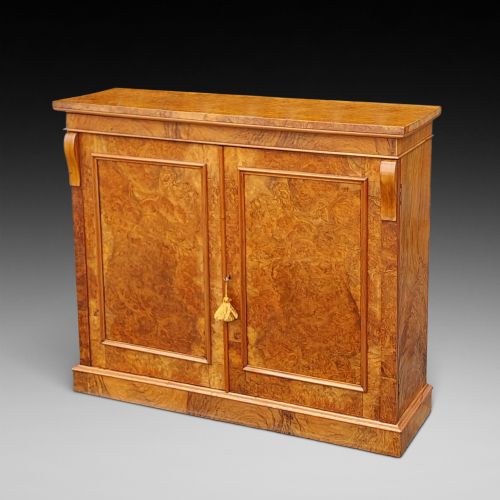
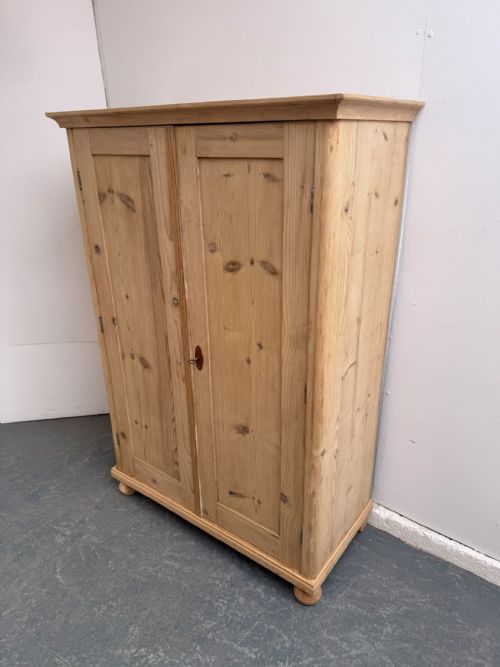
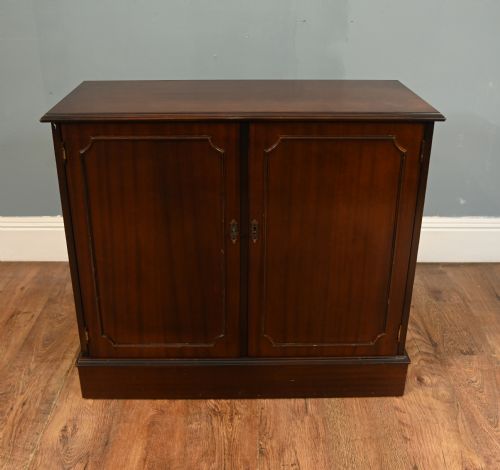


Double Sided Cabinet
A double sided cabinet offers versatile display and storage, bringing architectural interest to the centre of a room.
Double Sided Cabinet
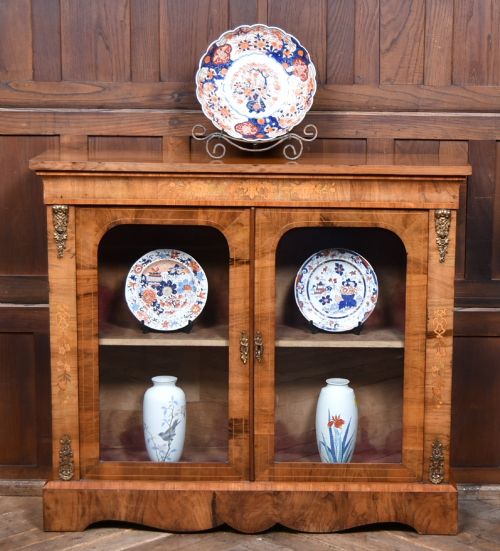
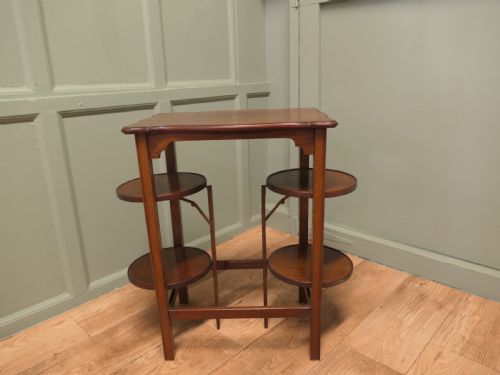
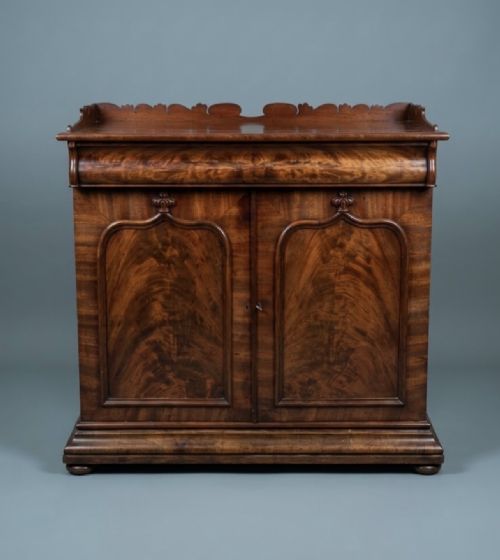
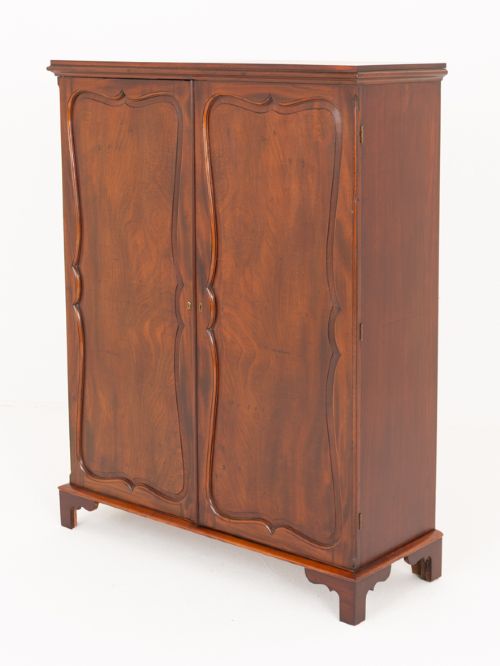
A double sided cabinet provides access and display from both sides, functioning effectively as a freestanding room divider. These pieces appear in forms such as side cabinets, cupboards, and pier cabinets across the selection.
The periods represented stretch from the eighteenth century through the nineteenth century and into the twentieth century, encompassing Georgian, Regency, Victorian, and Edwardian eras. Buyers most frequently encounter nineteenth-century walnut and mahogany examples in these listings.
Makers and regional workshops utilised timber framing to create freestanding storage that avoids the need to stand flush against a wall. The forms adapt traditional side cabinets and bookcases into accessible central furniture.
How they were made
Cabinet makers constructed these pieces using solid timbers like mahogany, walnut, oak, and pine, frequently applying flame mahogany veneer or burr walnut veneers to prominent surfaces. Brass fittings and ormolu mounts provide structural and decorative detailing.
Glass panels feature in display variations, whilst painted pine surfaces appear in Scandinavian country pieces. Joinery relied on traditional techniques to ensure stability when finished on all four sides.
Double Sided Cabinet Retail Price Guide 2026
Typical asking prices for double sided cabinet among the pieces listed under this phrase on Sellingantiques today, from the lower quarter to the upper quarter. They describe what is for sale here now, not the wider market.
Some nineteenth-century cupboards retain stubborn old wax that begs for a sunny afternoon and a soft rag.
What varies in quality
The standard of timber selection determines the visual impact, particularly in how finely figured walnut or flame mahogany veneers are matched across panels. Superior execution shows crispness in inlaid brass and carved ormolu details.
Construction integrity on both primary faces separates standard workshop output from exceptional cabinet work. Finished backs require the same level of joinery care and polish as the front elevations.
The Double Sided Cabinet Glossary
- Pier cabinet
- A low freestanding cabinet designed originally to stand against the wall space between windows. These pieces often feature glazed doors and decorative mounts.
- Chiffonier
- A compact sideboard or low cupboard developed during the Regency and Victorian periods. They typically combine shelved storage enclosed by doors with a small superstructure.
- Burr walnut
- A prized timber harvested from walnut tree growths, producing swirling, intricate grain patterns. Cabinet makers valued it for veneering high-status salon furniture.
- Ormolu
- Gilded bronze ornamentation applied to furniture for decorative effect. This technique was popular in French and English luxury cabinet work.
- Flame mahogany
- A veneer cut from the fork of a mahogany tree where the branches join the trunk. It creates a distinctive, fiery wave pattern across cabinet doors.
Double Sided Cabinet: Frequently Asked Questions
Where should a double sided cabinet go?
These pieces suit open-plan living areas or large rooms where they can float away from the walls. They act as natural room dividers while keeping contents accessible from multiple directions.
Position them where natural light enhances the timber grain and allows the finished back to remain visible.
How do I care for antique walnut?
Keep walnut furniture away from direct sunlight and heat sources to prevent the wood and delicate veneers from drying out. Regular dusting with a soft, dry cloth preserves the polished surface.
Apply a quality beeswax polish sparingly when the timber appears dry, buffing it gently to maintain the soft sheen.
What is a pier cabinet?
A pier cabinet is a narrow display piece traditionally made to fit the narrow wall space between tall windows. Victorian examples frequently feature glazed doors to protect porcelain and books.
These cabinets often include marquetry inlay and brass mounts, reflecting the formal drawing room tastes of the nineteenth century.
How do I identify a Victorian cabinet?
Victorian pieces often display dense walnut or mahogany timbers, deep carved mouldings, and sometimes elaborate marquetry or glass doors. Construction methods shifted during this era as industrial techniques aided workshop production.
Examining the secondary timbers inside drawers and behind panels helps confirm the nineteenth-century origin.