


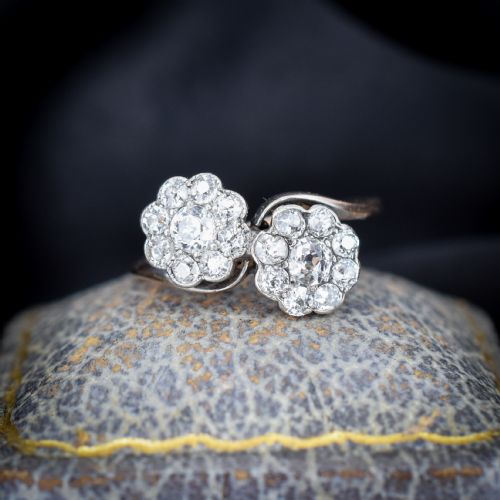


Double Diamond Ring
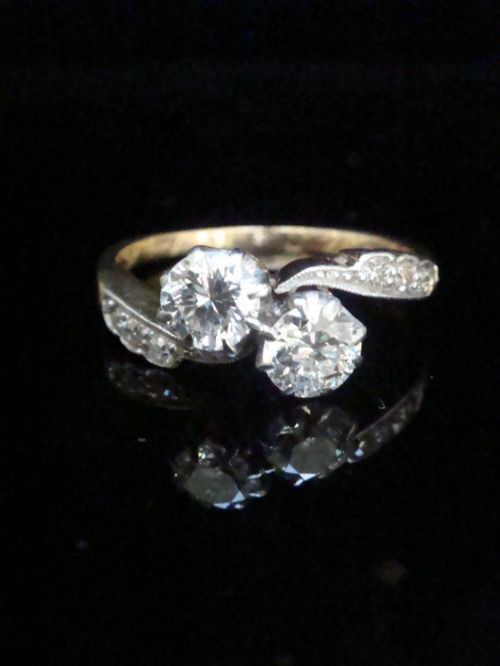
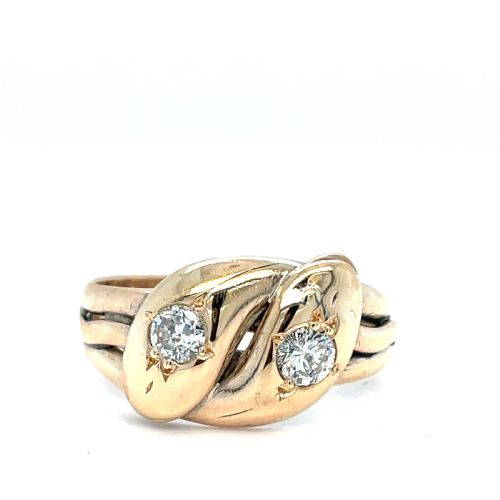
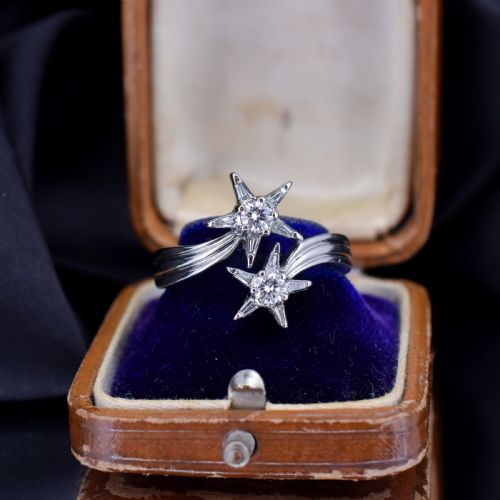
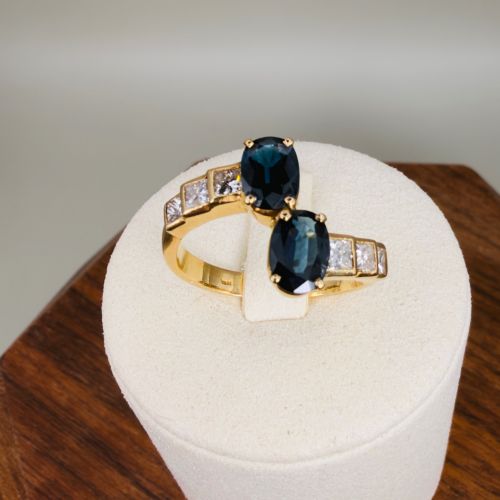
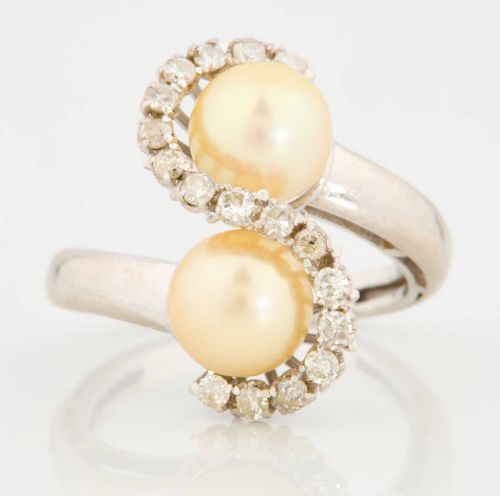
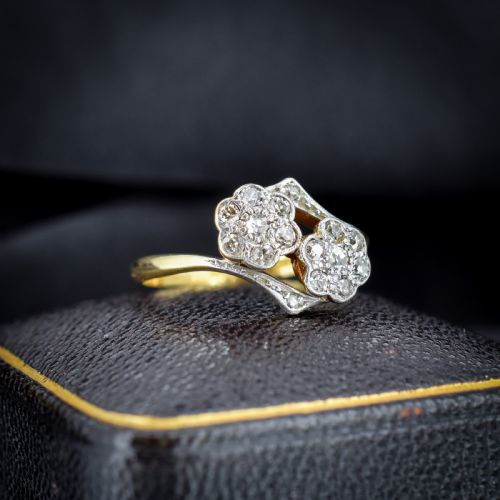
A double diamond ring brings together paired stones or twin motifs in configurations ranging from Edwardian twists to Art Deco clusters.
Double Diamond Ring
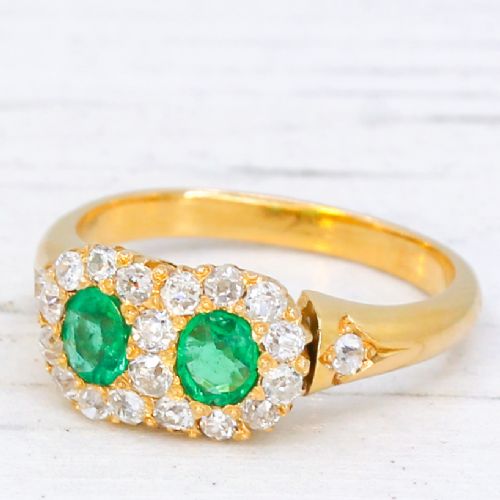
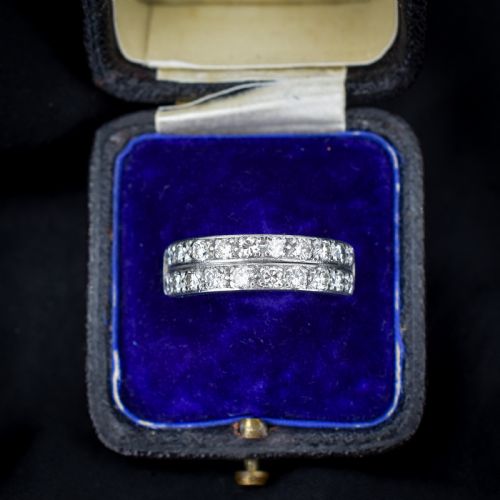
The form spans multiple decades from the late nineteenth century through the mid-twentieth century, encompassing periods such as Victorian, Edwardian, Art Deco, and mid-century vintage eras. Common configurations include toi et moi crossover rings, double halo clusters, and parallel rows of sparkling gems.
Materials and construction methods
Goldsmiths utilised 18ct yellow gold, 18ct white gold, and platinum to fabricate the structural mounts for these rings. Gemstones such as old-cut diamonds, rose-cut diamonds, sapphires, emeralds, and rubies were secured using claw settings, bezel settings, or pavé techniques.
Historical bench techniques involved hand-forging precious metals and shaping intricate galleries to support paired centre stones. Jewellers combined structural durability with delicate wirework, millegrain edges, and pierced under-bezels characteristic of antique and vintage workshop practices.
Listings feature yellow gold, white gold, and platinum combined with diamonds, sapphires, emeralds, and rubies across Edwardian and Art Deco periods.
Distinguishing quality across examples
The standard of craftsmanship relies on the precision of the stone matching and the integrity of the metalwork. Superior pieces display harmonious proportions between the paired diamonds or accompanying coloured stones, such as natural sapphires and emeralds, alongside crisp millegrain detailing.
The grade of the mount depends on the weight and thickness of the gold or platinum, ensuring the settings securely hold older diamond cuts without structural thinning. Hand-finished details and well-preserved hallmarks further differentiate exceptional examples from standard production.
Tiffany and Co
The Double Diamond Ring Glossary
- Toi et Moi
- A French term meaning you and me, describing a ring featuring two main gemstones set close together in a crossover or twin configuration. This style symbolises two souls united.
- Old Cut
- A historic diamond cutting style characterised by a high crown, small table facet, and open culet, designed to catch candlelight before the advent of modern brilliant cutting.
- Millegrain
- A decorative jewellery technique featuring a border of tiny raised metal beads along the edges of a setting, popular in Edwardian and Art Deco designs.
- Cluster Ring
- A ring style where a central stone or paired stones are surrounded by a ring of smaller accent gems, creating a larger overall visual presence.
- Half Eternity Band
- A ring set with a single continuous row of gemstones across the top half of the band, leaving the lower shank plain metal.
Double Diamond Ring: Frequently Asked Questions
How do I care for antique rings?
Antique rings require gentle handling because older settings and softer metals can wear down or loosen over decades of use. Regular professional inspections help ensure the claws securing the diamonds remain tight and secure.
Avoid wearing historic jewellery during rigorous physical activities or exposing them to harsh household chemicals. Store each piece individually in a lined box to prevent scratching.
How do I identify the period?
Dating a ring involves examining the stone cuts, metal choices, and manufacturing techniques characteristic of specific eras. For instance, old-cut diamonds and yellow gold mountings frequently point towards Victorian or Edwardian craftsmanship.
Assay office hallmarks stamped inside the band provide official dates and locations of manufacture. Comparing the gallery style and setting motifs against established design periods helps narrow down the decade.
Can these rings be resized?
Many gold and platinum rings can be adjusted by a skilled jeweller to fit different finger sizes. The feasibility depends on the band design, particularly whether stones extend all the way around the shank.
Eternity bands or rings with intricate shoulder engraving present more complex resizing challenges than plain-shanked cluster or twist rings. Consult a specialist restorer to determine the best approach for a specific piece.