
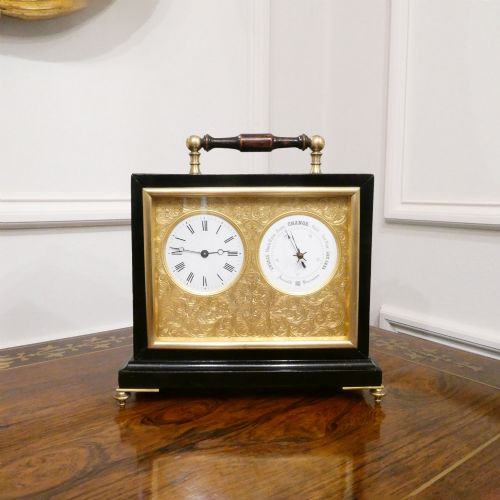


Double Dial Clock
A double dial clock carries two faces, tracking time and secondary functions like tides or calendars, offering architectural presence for your wall.
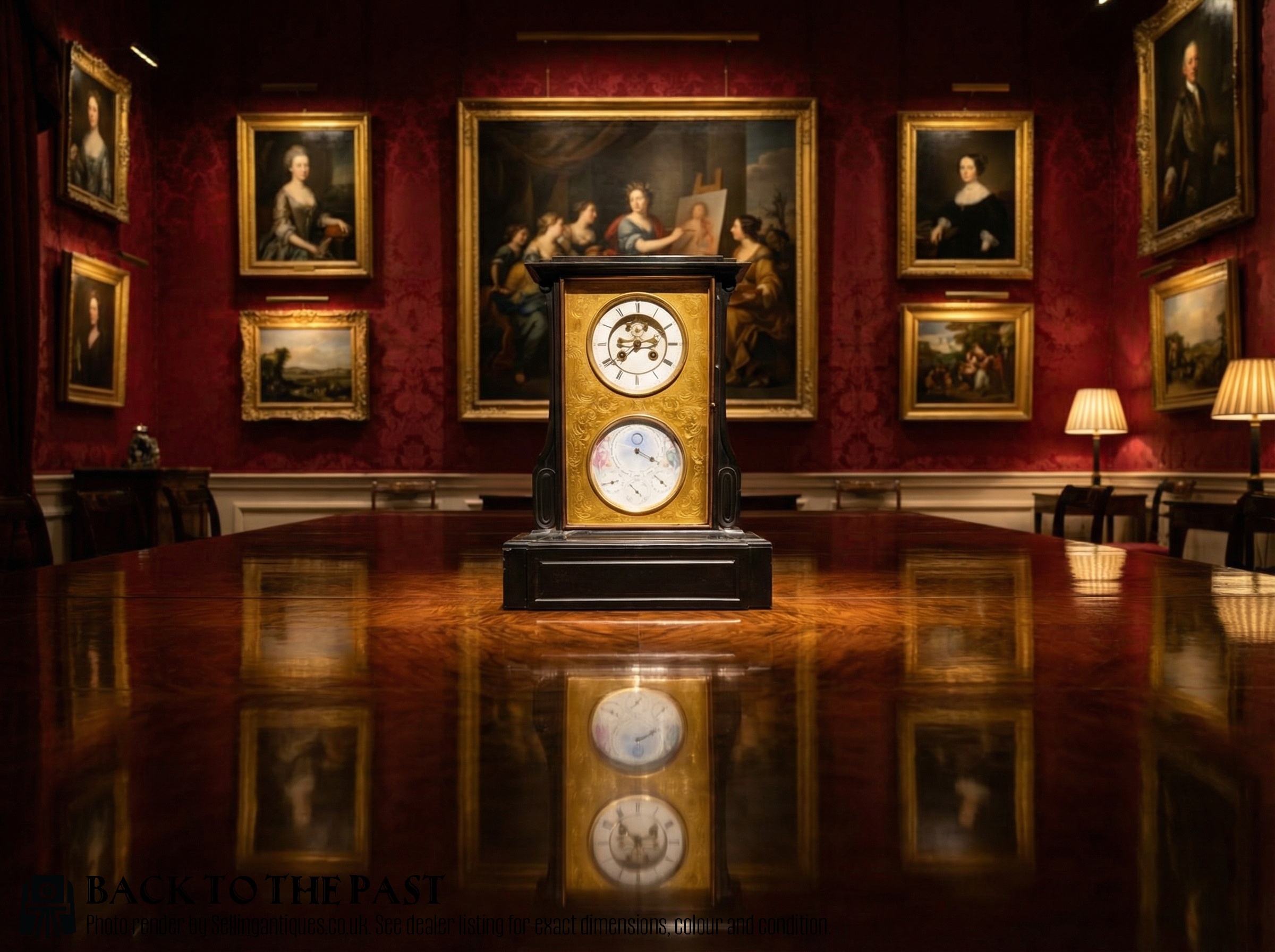
Double Dial Clock
A double dial clock presents two distinct faces within a single housing, appearing most frequently in this selection as substantial wall-mounted drop-dial clocks or architectural mantel pieces from the nineteenth century.
You will encounter mahogany, walnut, oak, and slate cases enclosing intricate movements designed to display more than simply the hours.
The format ranges from large eighteen-inch dial wall clocks down to desk compendiums and bracket clocks.
Construction and Materials
Clockmakers housed these complex movements in robust timber cases of mahogany, walnut, and ebonised wood, or carved architectural blocks of Belgian slate.
The mechanisms rely on brass plates, gear trains, and double fusee or double chain fusee drive systems to maintain even tension and accurate timekeeping across dual dials.
Enamel, brass, and silvered metal provide the contrasting faces, often protected behind heavy bevelled glass doors.
Materials across these listings span mahogany, walnut, oak, brass, glass, enamel, and black slate.
Assessing Quality
Superior examples demonstrate crisp casting on bronze mounts and precise hand-engraving on silvered dials, contrasting with simpler production pieces.
The refinement of the double fusee movement dictates mechanical worth, where clean wheel cutters and substantial brass framing separate exceptional work from standard production.
Case timber selection and joinery integrity reveal the original maker's investment, from figured mahogany veneers to solid ebonised oak.
Richard Rooker·Goldsmiths & Silversmiths London·Brocot·Thwaites & Reed·Rothery of Halifax
The Double Dial Clock Glossary
- Double fusee
- A mechanical movement using two fusee cones and chains to equalise the pull of the mainsprings as they unwind. This ensures consistent power delivery to the escapement for greater accuracy.
- Drop-dial clock
- A wall clock featuring a circular dial mounted above an extended wooden box case that encloses the pendulum. The lower case often has a glazed inspection door.
- Perpetual calendar
- A mechanism that automatically adjusts for the varying lengths of months and leap years. It frequently appears as the secondary face on complex nineteenth-century clocks.
- Chinoiserie
- A decorative style reflecting European interpretations of Chinese art and motifs. It appears on desk clocks and compendiums through gilt and silvered bronze ornamentation.
- Bracket clock
- A portable clock designed to sit on a bracket or shelf. Early examples often utilised ebonised wood and intricate brass fittings.
Double Dial Clock: Frequently Asked Questions
What is a double dial clock?
A double dial clock incorporates two distinct faces within its structure, allowing the tracking of hours alongside additional information such as calendar dates, barometric pressure, or equation of time. These pieces primarily date from the nineteenth century.
They were engineered to serve practical domestic and institutional needs where monitoring multiple measurements simultaneously was valuable.
Where were these clocks used?
Wall-mounted versions typically hung in large hallways, offices, and public spaces where visibility and punctuality mattered. Mantel and desk variants occupied libraries and studies.
Their commanding presence suited rooms with high ceilings and substantial nineteenth-century interior proportions.
How do I wind a double fusee clock?
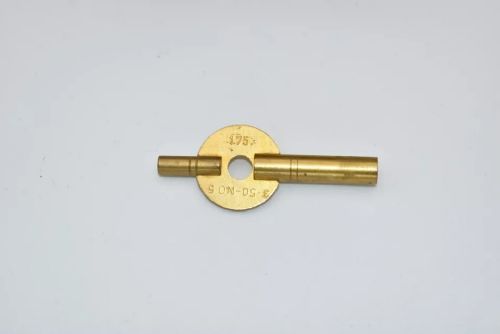
Winding requires a dedicated key inserted into the winding holes on the dial face, engaging the fusee mechanism to tension the drive chain or cord. Care must be taken not to overwind.
Most double fusee movements require attention on a weekly basis to maintain consistent timekeeping.
How do I identify the period?
Dating relies on case timber, dial materials, and the sophistication of the internal movement. Early eighteenth-century examples utilise ebonised wood and distinct bracket forms, while Victorian pieces favour mahogany, walnut, and slate.
Signature engraving and style markers like Chinoiserie bronze mounts offer further chronological clues.