
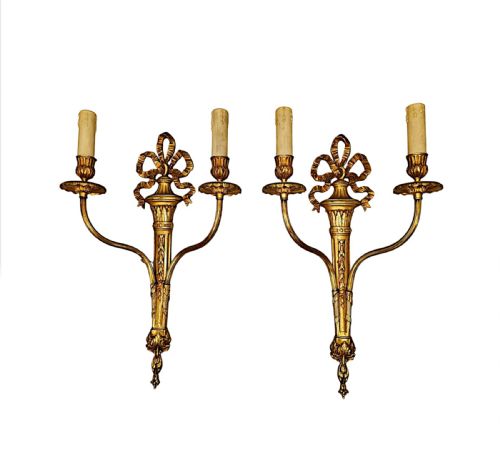
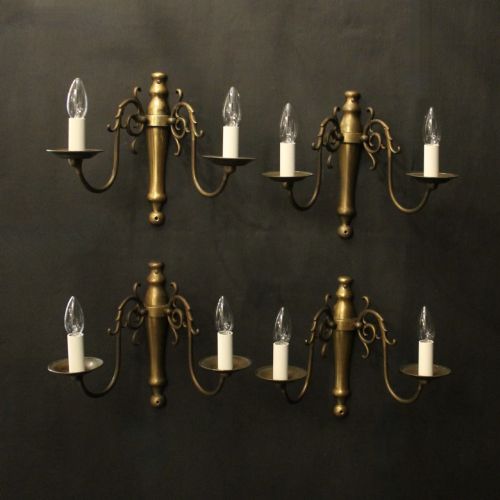
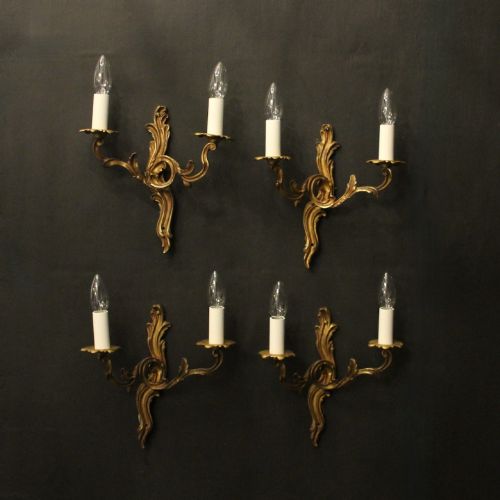

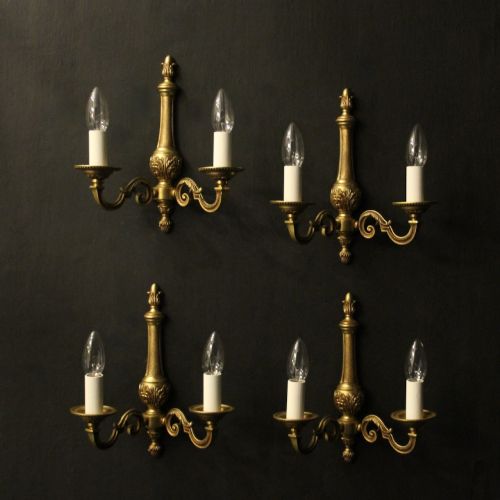
Double Candle Wall Light
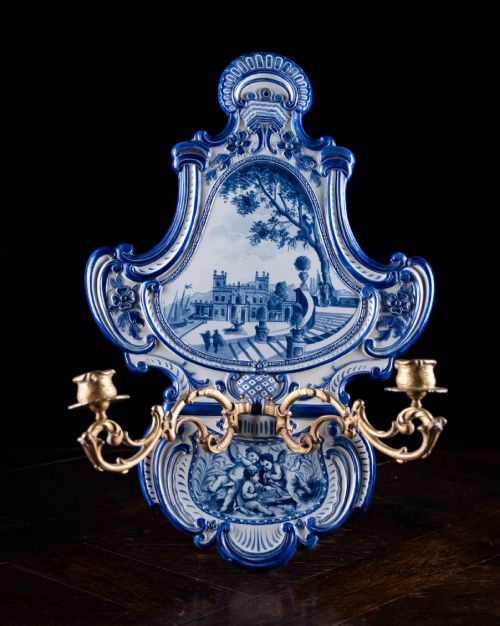
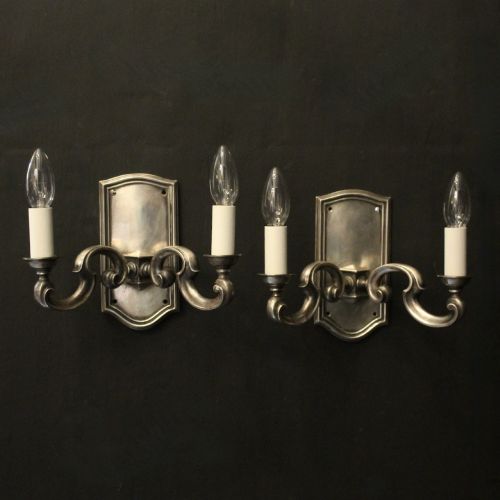
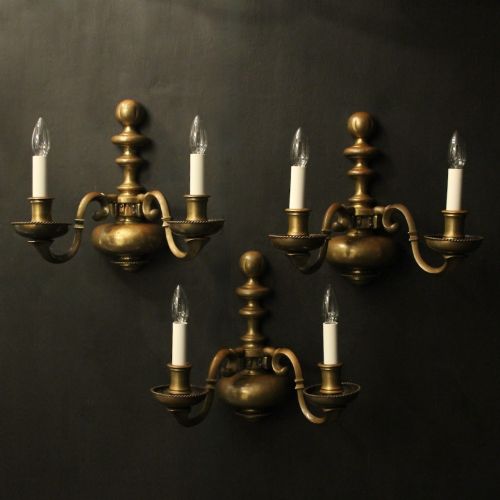
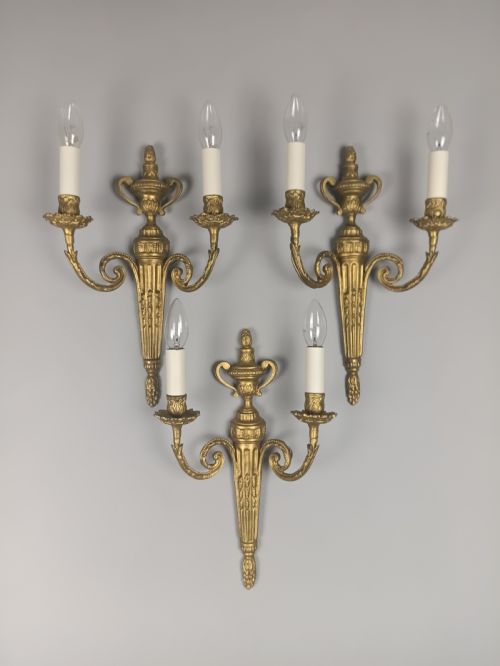
A double candle wall light brings period illumination to a room, offering twin branches cast in brass, bronze or gilded metal.
Double Candle Wall Light
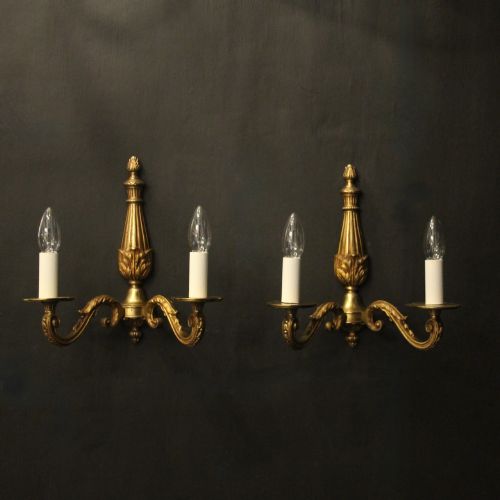
A double candle wall light is a fixture designed to mount directly onto vertical surfaces, providing light through two distinct arms or branches. When you search for this phrase, you encounter pieces originating from the nineteenth and early twentieth centuries, spanning Victorian, Edwardian, and various revival periods. English and French workshops produced the majority of these examples, ranging from pairs to larger sets.
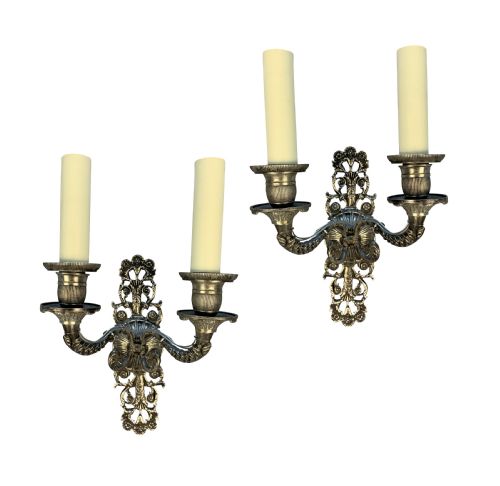
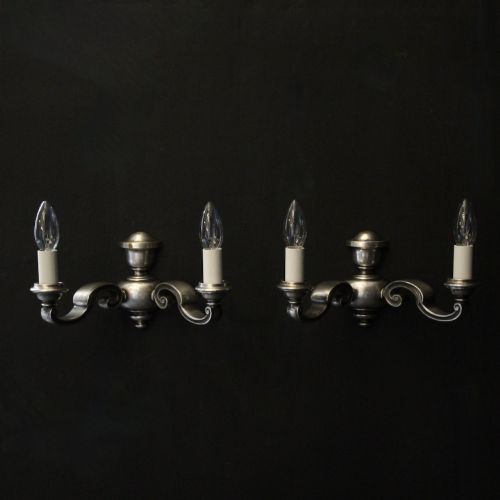
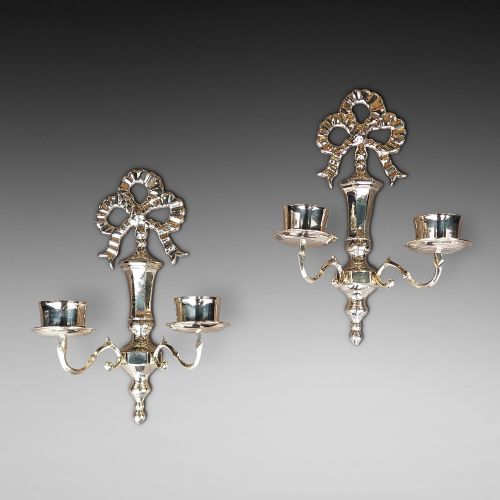
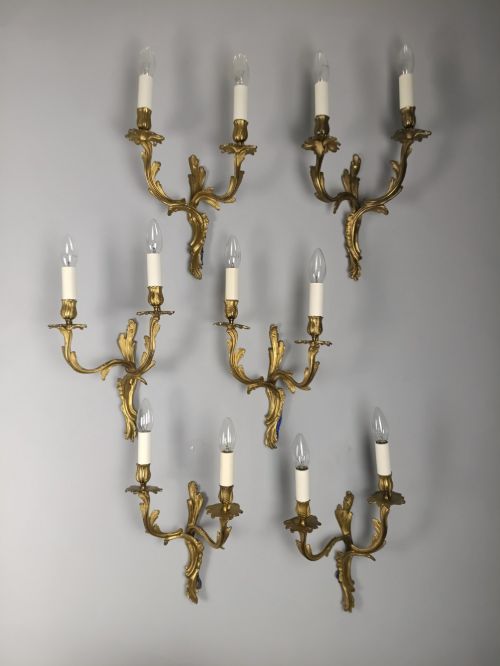
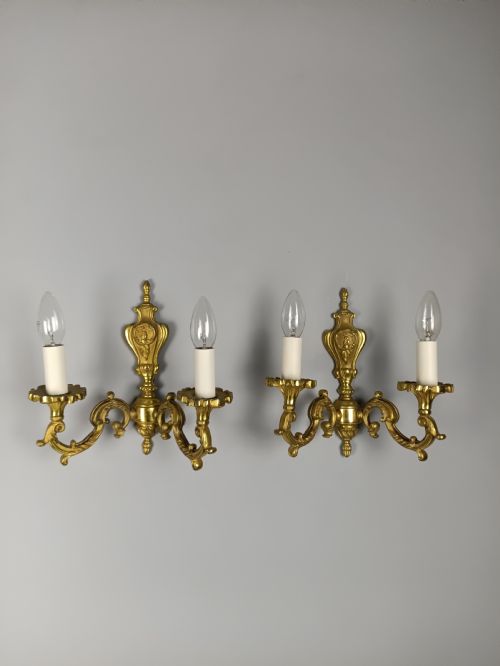
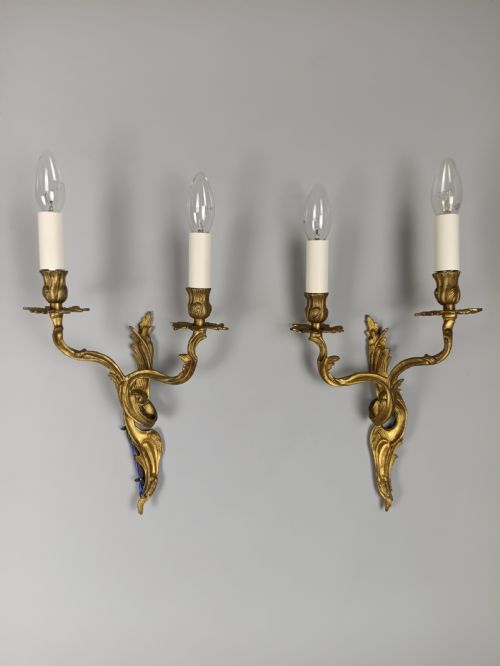
The most common version met on this page is the French twin-arm wall light cast in gilded brass or bronze, frequently dated around the 1920s and 1930s. These pieces often incorporate classic ornamental motifs associated with Rococo, Neoclassical, and Empire styles. Alongside these continental designs, English brass and silver-plated sconces appear regularly, sometimes drawing on Adam or Georgian revival idioms.
How they were made
Makers utilised foundry casting for the primary structural elements, shaping molten brass, bronze, and gilt metal into twin arms and decorative backplates. Surface finishes varied from mercury gilding and ormolu to silver plating, applied to enhance the reflective quality of the metalwork.
Detached components were joined mechanically or pinned, allowing intricate motifs such as ribbons or scrolling foliage to be layered onto the backplate. Many surviving pieces retain traces of hand-chasing on the bronze surfaces, refining the cast details before final assembly.
The listings on this site combine French and English examples spanning from the Victorian era through the 1930s, executed primarily in brass, bronze, and silver plate.
What varies in quality
The standard of a double candle wall light depends heavily on the crispness of the casting and the depth of the metal finish. Finer examples display sharp relief work on the acanthus leaves and scrolling arms, whereas simpler pieces show softer contours and flatter detailing.
Weight and structural integrity also separate the range, as heavier bronze castings hold their form and mounting points more securely than lighter pressed metal alternatives. The preservation of the original gilding or silver plating contributes significantly to the integrity of the piece.
F. and C. Osler·Villeroy and Boch
The Double Candle Wall Light Glossary
- Ormolu
- Gilded bronze, typically achieved by applying a mercury and gold amalgam to a bronze base and firing it. This technique creates a durable, warm metallic lustre characteristic of fine continental light fittings.
- Girandole
- A decorative wall bracket or sconce fitted with a mirror to multiply the effect of the candlelight. The reflective glass forms the central backplate behind the candle arms.
- Sconce
- A wall-mounted lighting fixture designed to hold candles or electric bulbs. The term applies broadly to brackets secured directly to wall panelling or plaster.
- Twin Arm
- A configuration featuring two distinct candle holders extending from a single backplate. This layout defines the standard double wall light.
- Gilt Bronze
- Bronze metal that has received a superficial layer of gold leaf or liquid gold paint. It differs from solid gold and provides the appearance of precious metal at a manageable weight.
Double Candle Wall Light: Frequently Asked Questions
How were double wall lights used historically?
These fixtures were mounted in pairs or larger sets along hallways, drawing rooms, and dining spaces to supplement primary chandelier lighting. Candles placed within the twin arms reflected off polished wall surfaces or mirrors to maximise illumination.
Over time, many of these metal sconces were adapted to accept electrical wiring while retaining their original aesthetic form. They continue to serve as accent lighting in period interiors.
How do I date a brass wall light?
Dating relies on stylistic clues, manufacturing techniques, and the specific metal alloys employed. Pieces from the Victorian and Edwardian eras often display heavier brass casting and specific revival motifs like Adam urns or Rococo scrolls.
Later twentieth-century examples, such as those from the 1920s and 1930s, lean towards French twin-arm designs with simplified electrical conversions. Examining screw types and backplate construction also helps establish the era of manufacture.
Can these antique sconces be wired for electricity?
Many surviving examples have already undergone conversion to electricity during the twentieth century, utilising small candle tubes over internal lamp holders. Unconverted pieces can be professionally rewired by specialists who thread modern flex through the existing hollow arms.
Careful wiring preserves the outer metalwork without compromising the structural integrity of the antique backplate. Electric flame bulbs are commonly used to replicate the appearance of traditional wax candles.
What is the difference between ormolu and gilded brass?
Ormolu strictly refers to cast bronze that has been gilded using a traditional mercury amalgam process, yielding a deep and durable golden surface. Gilded brass utilises a similar gold-toned finish applied to a lighter brass substrate rather than bronze.
Bronze provides a heavier and more robust foundation for intricate casting work, while brass offers a slightly brighter metallic base for subsequent plating or gilding.