

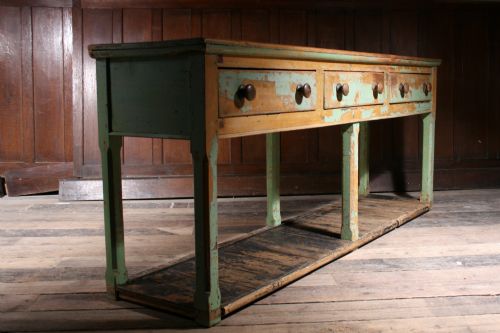
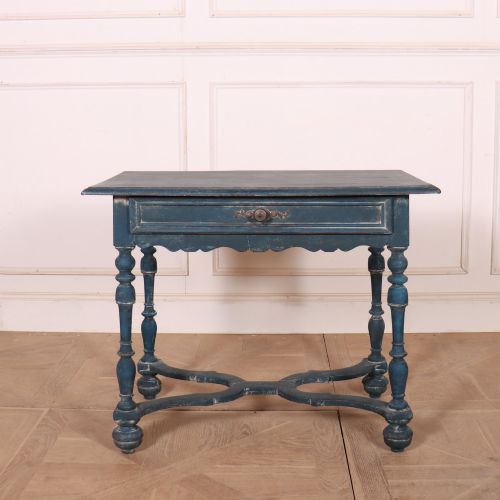
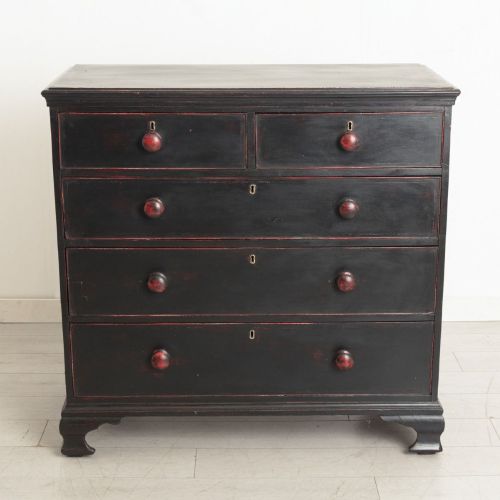
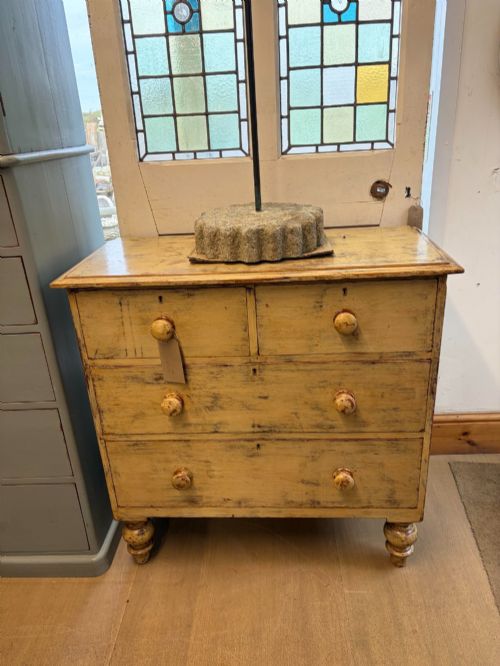
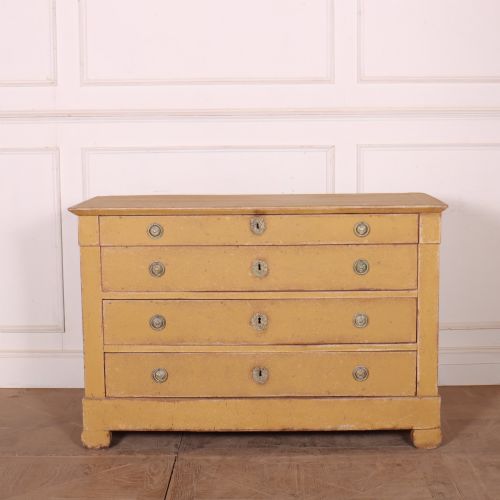
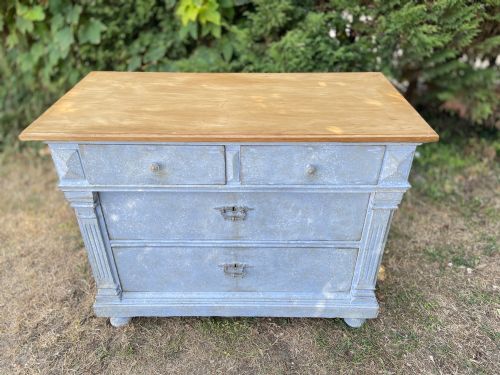
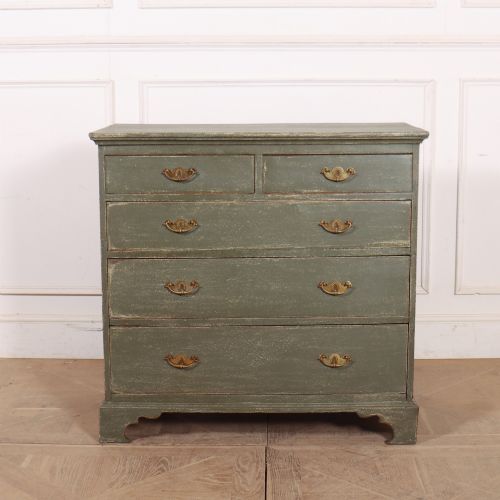
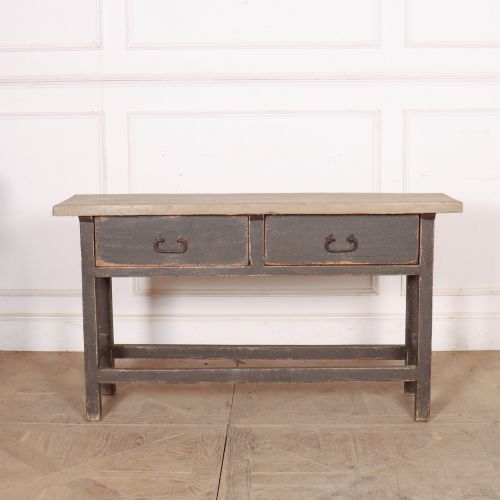
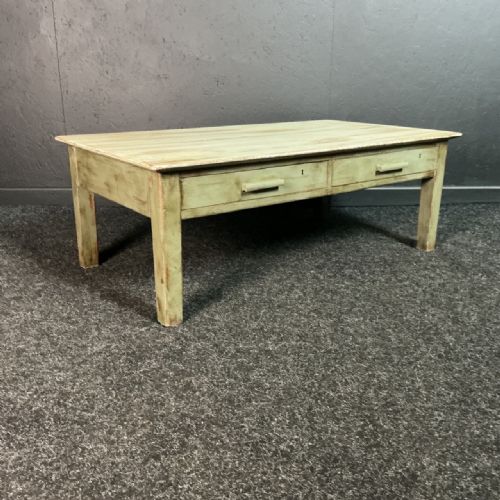
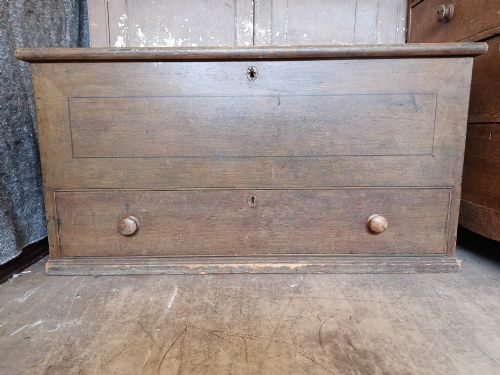
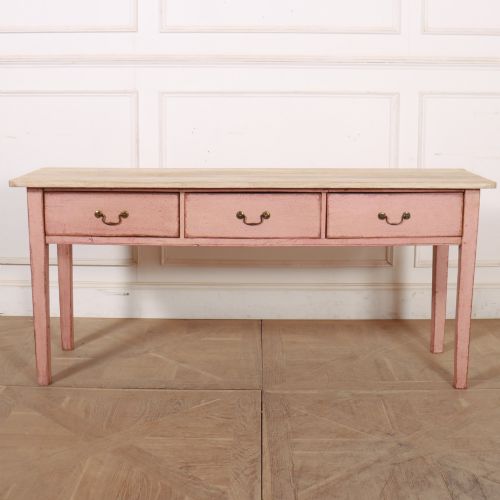


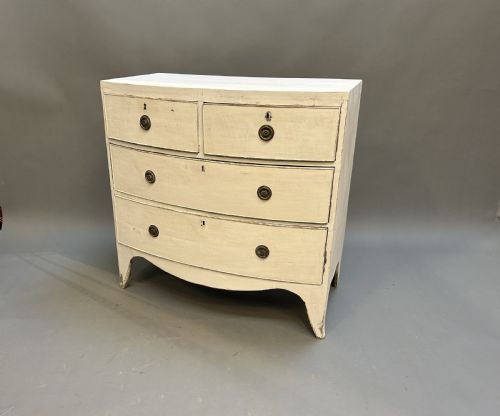

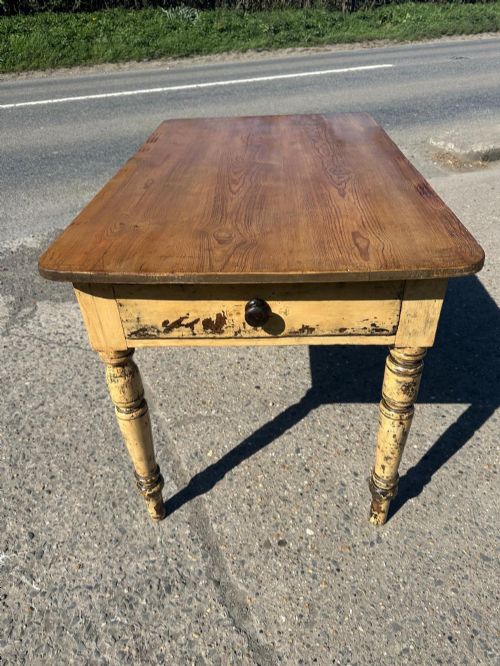
Distressed Wooden Drawers
These distressed wooden drawers bring centuries of painted charm and sturdy storage into modern rooms, offering practical function with worn character.
Distressed Wooden Drawers
Distressed wooden drawers encompass a variety of chests, commodes, and dressers originating from the eighteenth century through the 1930s. Buyers searching for these pieces encounter diverse regional interpretations, from English country pine to French and Swedish painted commodes.
The selection centres heavily on Victorian and nineteenth-century examples alongside earlier eighteenth-century forms. Chests of drawers dominate, accompanied by servers, dressers, and smaller lamp tables.
Makers and workshops from England, France, Sweden, and Italy produced these items using native timbers finished with surface paint. Each piece shows the patination of age through worn finishes and utilitarian service.
Construction and Finish
Makers built these pieces primarily using solid pine, fruitwood, and other hardwoods, reinforced with iron and brass hardware. Timber selection prioritised local availability, resulting in robust construction designed for everyday use.
Surfaces received layers of paint, often in original or early schemes, which subsequently weathered over decades. Joinery relied on traditional methods appropriate to the period, accommodating the natural movement of wood.
Distressed Wooden Drawers Retail Price Guide 2026
Typical asking prices for distressed wooden drawers among the pieces listed under this phrase on Sellingantiques today, from the lower quarter to the upper quarter. They describe what is for sale here now, not the wider market.
Geographic origins span English country workshops alongside French, Swedish, and Italian provincial centres.
Evaluating Quality
Quality rests in the integrity of the original construction and the survival of an authentic painted surface. Pieces retaining their earliest coats of paint carry greater integrity than those stripped or repainted later.
Proportion and regional detailing distinguish finer examples, such as serpentine fronts or carved elements on eighteenth-century commodes. The balance of drawer proportions and the retention of original brass or iron handles further separate standard utility pieces from workshop masterworks.
Edwards and Roberts
The Distressed Wooden Drawers Glossary
- Commode
- A low chest of drawers or cabinet, frequently associated with French and continental design. These pieces often feature serpentine fronts or decorative painted finishes.
- Mule chest
- A traditional chest featuring one or more drawers at the base beneath a lift-top compartment. They bridge the gap between blanket chests and standard drawer units.
- Serpentine
- A furniture front characterised by a wavy outline with a convex centre flanked by concave curves. This contour requires skilled carpentry and appears on finer eighteenth and nineteenth-century pieces.
- Dresser base
- A sturdy lower sideboard or cabinet with drawers, historically used in kitchens for storage and food preparation. They often display robust pine or hardwood construction.
- Gustavian
- A Swedish neoclassical style popular in the late eighteenth and early nineteenth centuries. It typically employs light, restrained painted finishes and subtle carved details.
Distressed Wooden Drawers: Frequently Asked Questions
What defines distressed wooden drawers?
These pieces comprise antique chests, commodes, and dressers constructed from timber and finished with aged paint. Their surfaces show natural wear accumulated over generations of domestic use.
Origins span English, French, Swedish, and Italian workshops across the eighteenth and nineteenth centuries. The category values this honest patina above factory-fresh perfection.
How do I date an antique chest?
Dating relies on construction methods, hardware types, and stylistic indicators. Eighteenth-century pieces often display hand-cut dovetails and specific regional proportions.
Later Victorian and Edwardian examples incorporate machine assistance alongside traditional joints. Original painted surfaces and historical locks also provide clear chronological clues.
Are painted finishes original?
Many pieces retain early or original paint layers that have weathered naturally over time. Close inspection reveals craquelure, wear patterns, and pigment consistency appropriate to the age.
Subsequent repainting alters the historical fabric, though period-appropriate surface treatments remain common on utility furniture. Examining drawer interiors and hidden surfaces helps determine paint history.
Where were these pieces used?
Original locations ranged from grand European reception rooms to modest English kitchens and bedrooms. Servers and dresser bases served domestic food preparation and storage needs.
Smaller commodes and lamp tables functioned beside seating areas or sleeping quarters. Their robust construction suited both formal settings and practical farmhouse environments.
How should I care for antique painted wood?
Preservation requires stable indoor humidity away from direct heat sources and strong sunlight. Gentle dusting with a dry or slightly damp cloth prevents grime accumulation.
Avoid harsh chemical cleaners that can strip fragile historical paint. Maintaining consistent environmental conditions protects both the underlying timber and the surface finish.