


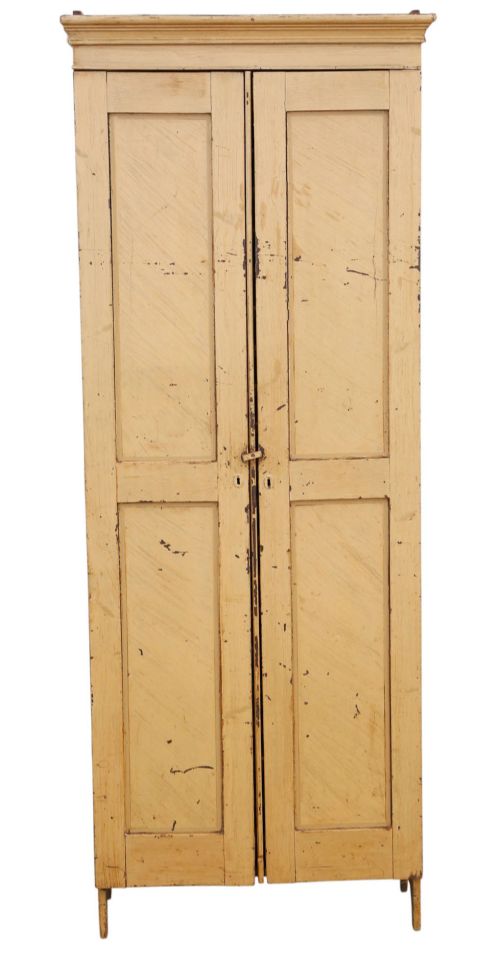
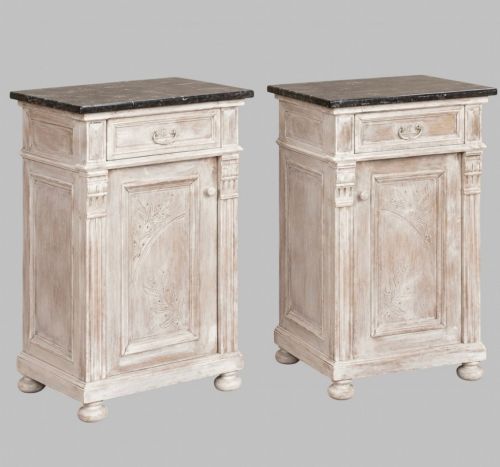

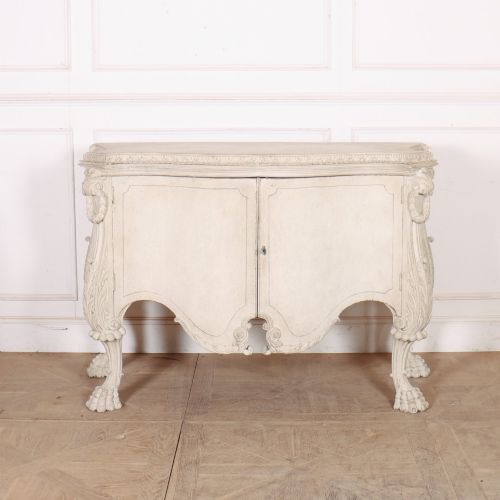
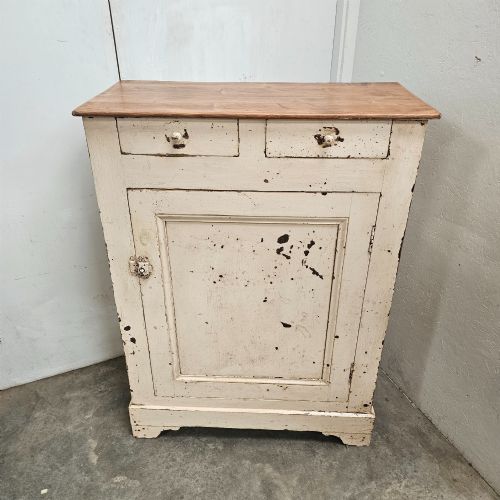
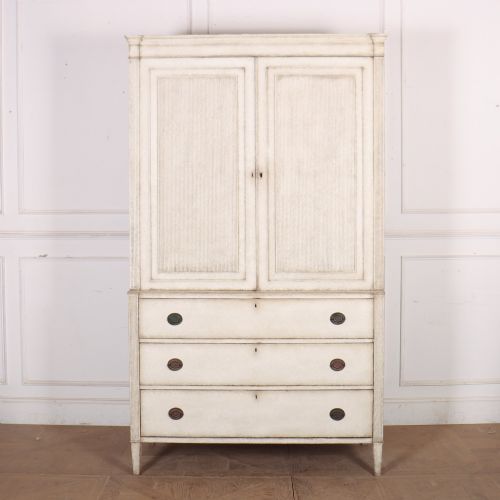
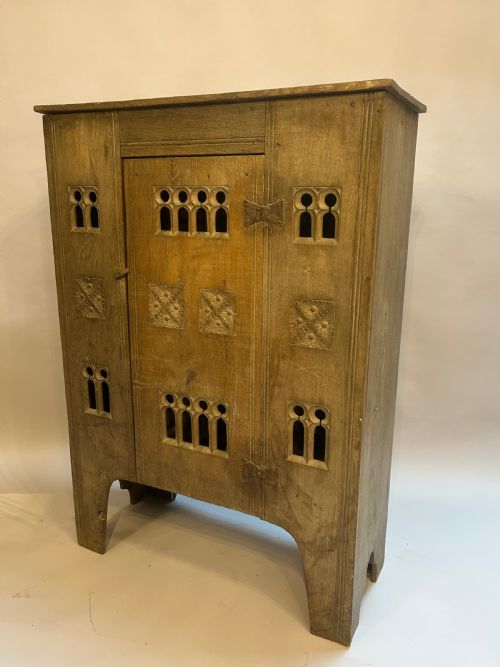
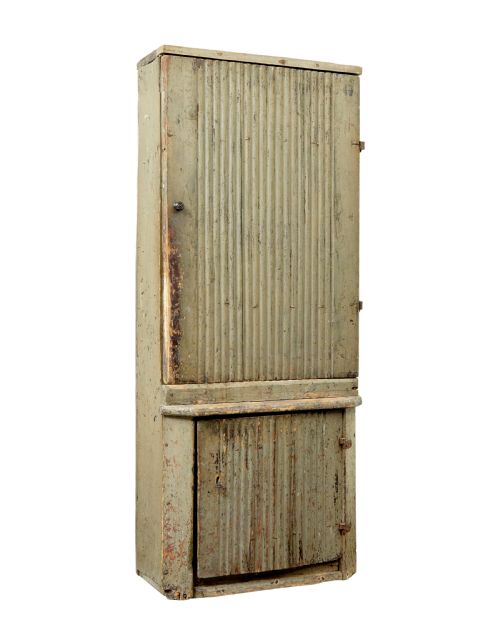
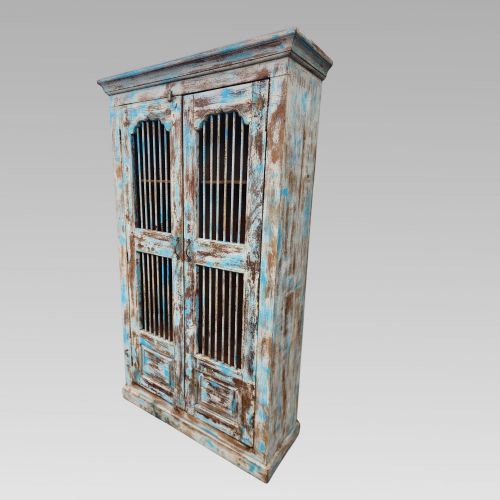
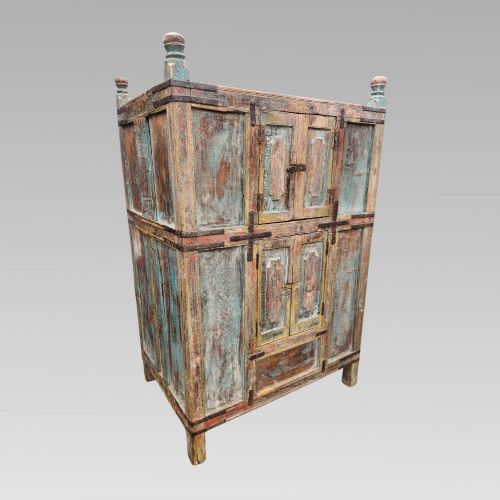
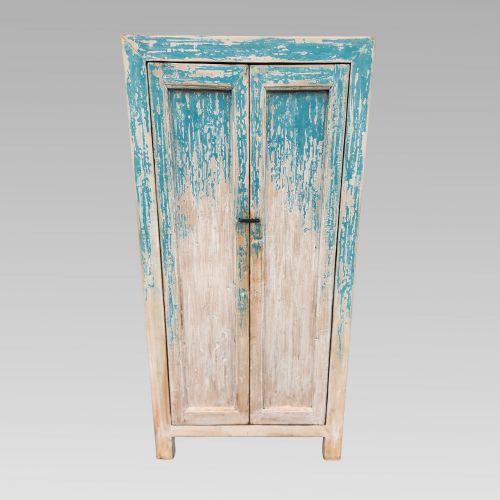
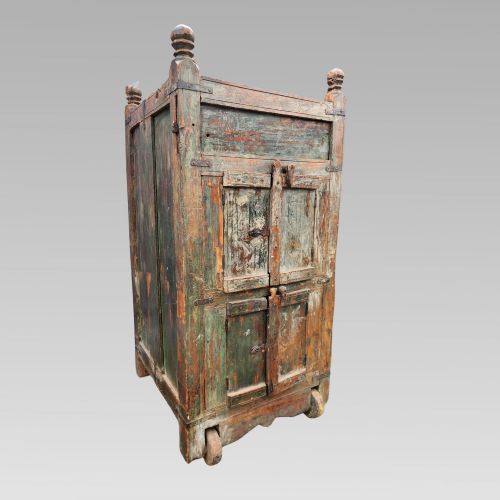
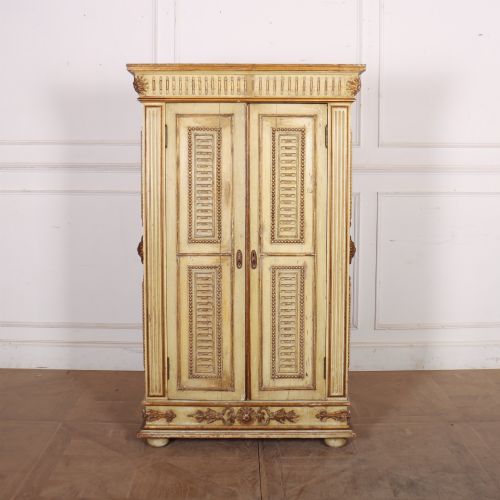
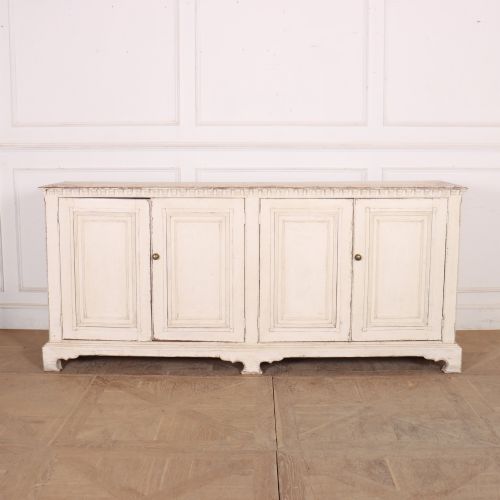

Distressed Wooden Cupboard
A distressed wooden cupboard brings warmth and character to a room through weathered painted finishes and honest timber construction.
Distressed Wooden Cupboard
A distressed wooden cupboard is a storage piece defined by its aged surface and utilitarian roots, encompassing linen cupboards, armoires, sideboards, and bedside cabinets. When searching for a distressed wooden cupboard, buyers typically encounter pine and oak carcasses finished with weathered layers of paint reflecting various regional domestic traditions.
The selection ranges from tall housekeeping cupboards and kitchen dressers originating in English and French provincial workshops to Scandinavian and Italian cabinets bearing time-worn patinas. Many examples reflect country utility, where practical storage needs dictated the scale and internal arrangement of shelves or hanging space.
Regional styles dictate the architectural detailing, from the clean lines of Swedish painted pine to the carved motifs found on Indian almirahs and Chinese lacquer storage pieces. These forms served everyday domestic roles before transitioning into focal storage items prized for their visual depth.
How they were made
Construction relies heavily on native timbers such as pine, oak, and teak, joined using traditional methods suited to domestic utility and workshop production. Carpenters built carcasses to withstand heavy daily use, employing sturdy panelled doors and iron or brass hardware for hinges and latches.
Surface treatments are fundamental to the character of these pieces, utilising layered paint, sometimes applied over centuries in successive coats that now show natural wear. Original paint finishes reveal brush marks and organic distressing where timber grain telegraphs through the pigment.
Distressed Wooden Cupboard Retail Price Guide 2026
Typical asking prices for distressed wooden cupboard among the pieces listed under this phrase on Sellingantiques today, from the lower quarter to the upper quarter. They describe what is for sale here now, not the wider market.
Some dowry chests carry decades of hidden spices within their teak boards.
What varies in quality
Quality rests on the integrity of the original construction and the preservation of authentic surface finishes rather than factory uniformity. Pieces retaining their original paint layers without modern chemical stripping or over-restoration hold greater integrity for collectors.
Proportion and regional detailing separate standard utility furniture from finer provincial examples, such as those with deliberate hand-carving or balanced architectural cornices. The weight of the timber and the solidity of internal shelving also indicate the standard of the original workshop.
The Distressed Wooden Cupboard Glossary
- Almirah
- A tall freestanding storage cupboard or wardrobe, originating from Indian domestic architecture and often constructed from teak or cedar. These pieces frequently feature robust panelled doors and traditional hardware.
- Enfilade
- A long sideboard or buffet designed to stand against a wall, typically featuring multiple doors and drawers. Italian and French examples provide substantial surface and interior capacity.
- Housekeeper's cupboard
- A large tall cupboard traditionally used in large domestic kitchens for storing linens, dry goods, and tableware. They often combine upper shelving with lower drawers or doors.
- Confiturier
- A small French jam cupboard designed for domestic storage, usually standing on slender legs with a single door enclosing compact shelving.
- Patina
- The surface appearance developed over time through use, wear, and exposure to light, distinguishing genuine aged finishes from applied modern distress.
Distressed Wooden Cupboard: Frequently Asked Questions
What is a distressed wooden cupboard?
A distressed wooden cupboard is a utilitarian storage furniture piece made from timbers like pine, oak, or teak, finished with aged, weathered paint layers.
These items range from compact bedside tables to tall housekeeping cupboards and armoires originating across European and Asian regional traditions.
How do I date a painted cupboard?
Dating relies on examining construction techniques, joinery marks, hardware types, and the composition of the underlying timber surfaces.
Earlier pieces from the eighteenth and nineteenth centuries display hand-planed boards and forged iron hinges, whereas later examples show machine-sawn elements and different paint chemistry.
How do I care for original paint?
Original painted surfaces require gentle cleaning with a soft, dry cloth and protection from direct sunlight and excessive humidity.
Avoid chemical solvents or abrasive cleaners that can strip away historic layers of pigment and compromise the natural patina.
Where should I place a large cupboard?
Large housekeeping cupboards and armoires suit spacious hallways, kitchens, or dining rooms where their substantial scale anchors the interior design.
Ensure adequate wall clearance and measure ceiling heights carefully before positioning tall vertical storage pieces in smaller rooms.