




Distressed Wooden Bed
A distressed wooden bed brings French provincial character and painted charm into a bedroom through time-worn surfaces and classic proportions.
Distressed Wooden Bed
A distressed wooden bed is typically a French painted or caned frame originating from the eighteenth, nineteenth, or early twentieth centuries. These pieces carry the visible marks of age, often featuring weathered paint, gesso, and hand-carved details that reflect classic continental design movements.
Buyers browsing for a distressed wooden bed encounter forms styled after the Empire, Louis XV, and Louis XVI periods, alongside rustic Georgian country pieces. Double and king sizes appear frequently alongside single beds and complementary architectural salvage like pelmets.
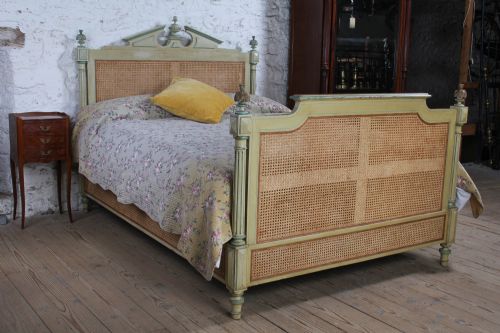
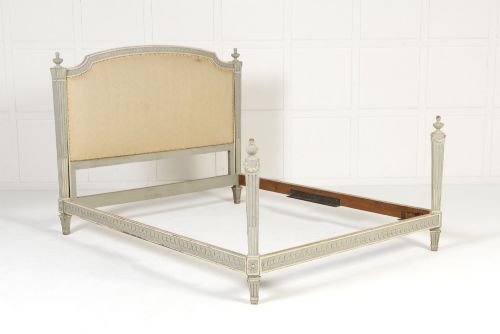
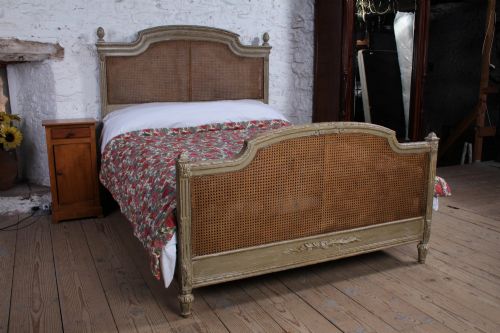
The most common version met on this page is a nineteenth-century French painted double or king-size bedstead, often combining wooden framework with woven cane or newly upholstered fabric panels.
How they were made
Makers constructed these frames from solid timber, applying layers of paint, gesso, and occasionally hand-carved decorative motifs to achieve classical profiles like the Louis XVI and Empire styles. Surfaces were built up with traditional paints that naturally wear down over decades.
Many examples incorporate woven cane panels into headboards and footboards, requiring skilled hand-weaving techniques using natural materials. Other variations utilise fabric, linen upholstery, or newly recovered textiles fitted to the wooden carcass.
Distressed Wooden Bed Retail Price Guide 2026
Typical asking prices for distressed wooden bed among the pieces listed under this phrase on Sellingantiques today, from the lower quarter to the upper quarter. They describe what is for sale here now, not the wider market.
Listings feature items spanning from the eighteenth century to nineteen-twenty, utilising painted timber, gesso, linen upholstery, and woven cane.
What varies in quality
Quality rests in the integrity of the original wooden frame and the authenticity of the surface finish. Pieces retaining their original paint layers and hand-carved details display a depth of character absent in later or heavier restorations.
The structural refinement of the carving and the tightness of the woven cane or upholstery work distinguish finer architectural proportions. Better examples maintain balanced classical styling, whether in a simple provincial idiom or a grander Louis XV silhouette.
The Distressed Wooden Bed Glossary
- Gesso
- A plaster-like mixture applied to wood surfaces to provide a smooth base for painting or gilding. This material often develops fine craquelure and chips gracefully with age.
- Caned
- Woven from natural materials to form decorative and breathable panels within headboards or footboards. This technique lightens the visual weight of large wooden beds.
- Pelmet
- A decorative framework placed above a window or bed to conceal fixings and drapery. These carved wooden architectural elements match the stylistic vocabulary of the main bedstead.
- Louis XVI Style
- A neoclassical design characterised by straight tapered legs, geometric symmetry, and classical ornamentation. Beds in this style exhibit restrained architectural dignity.
Distressed Wooden Bed: Frequently Asked Questions
What periods do these beds come from?
These beds span from the eighteenth century through to the early twentieth century, encompassing various nineteenth-century decades and transitional eras.
They reflect historical continental tastes ranging from Georgian country and Empire styles to French provincial and Louis XV designs.
How do I identify a painted French bed?
French painted beds are recognised by their distinct proportions, continental stylistic cues, and weathered painted timber surfaces. Details like hand-carved pelmets and gesso ornamentation point directly to French workshops.
Many retain original paint finishes that distinguish them from modern reproductions.
Are these beds suitable for modern mattresses?
Many antique bedsteads require custom sizing or mattress support adjustments to fit contemporary standard dimensions securely. Buyers should check internal frame measurements before selecting bedding.
Upholstered and caned headboards often serve as the focal point while standard bases provide the platform.
What materials are used on these frames?
Construction relies primarily on painted wood and timber, frequently enhanced with gesso layers and woven cane inserts. Some models feature exposed fabric or linen upholstery on the headboard and footboard.
Surface treatments range from distressed original paint to newly applied textile coverings.