



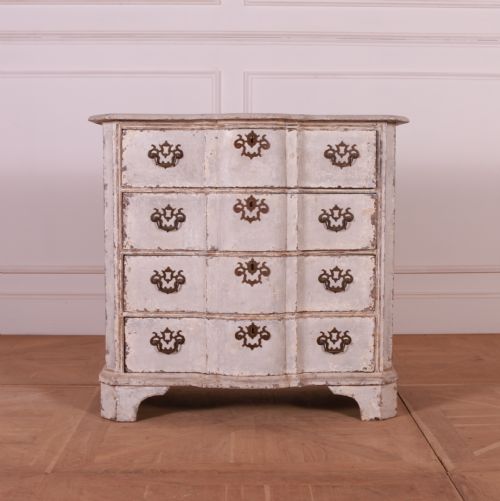


Distressed Wood Commode
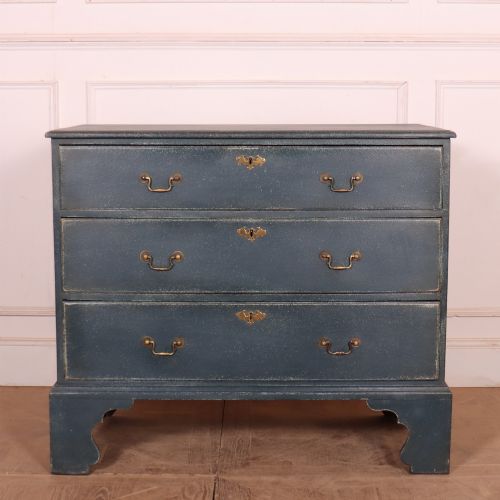
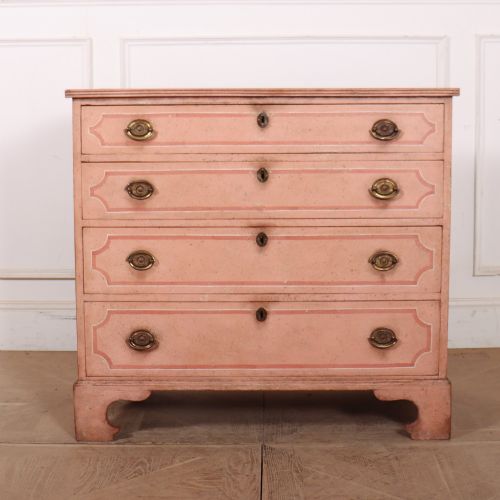
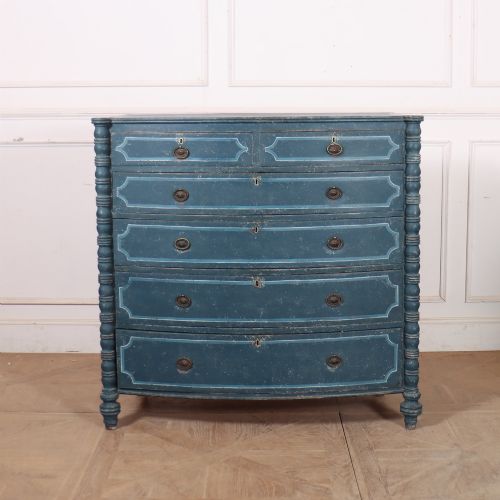
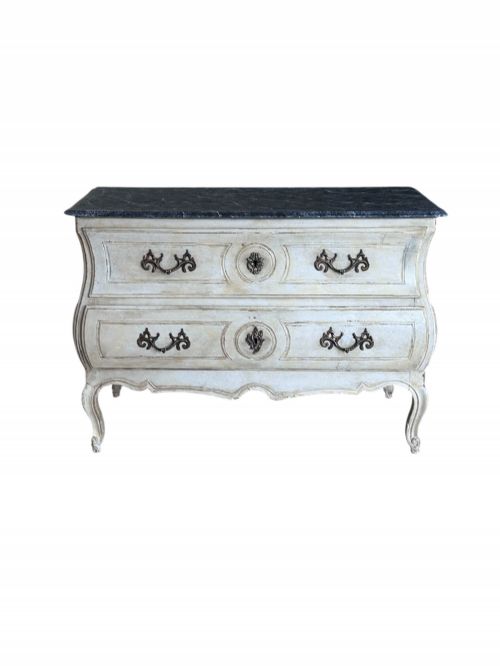
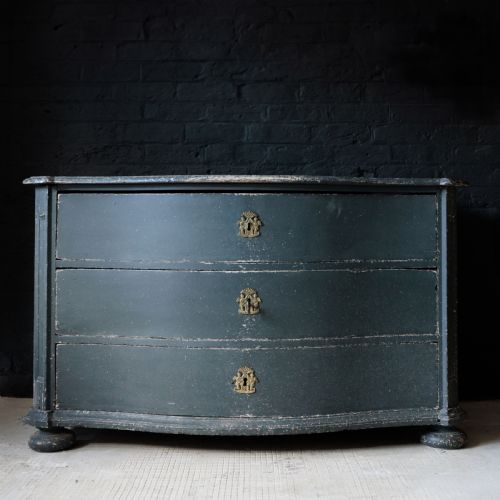
These distressed wood commode pieces bring continental painted charm and sturdy proportions to a room.
Distressed Wood Commode
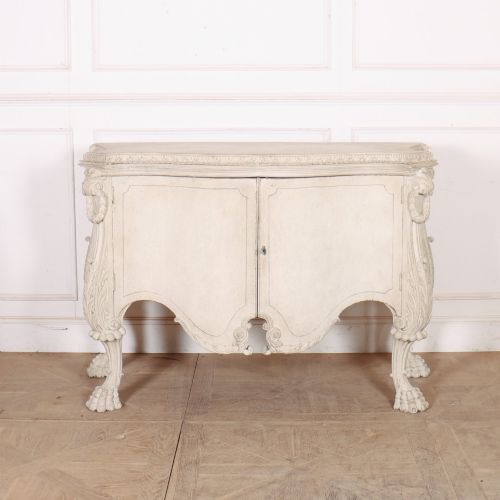
When you search for a distressed wood commode, you encounter a selection of chest of drawers, side cabinets, and miniature chests spanning the eighteenth, nineteenth, and early twentieth centuries. These pieces originate largely from French, Italian, Scandinavian, and English workshops, reflecting regional variations in storage furniture.
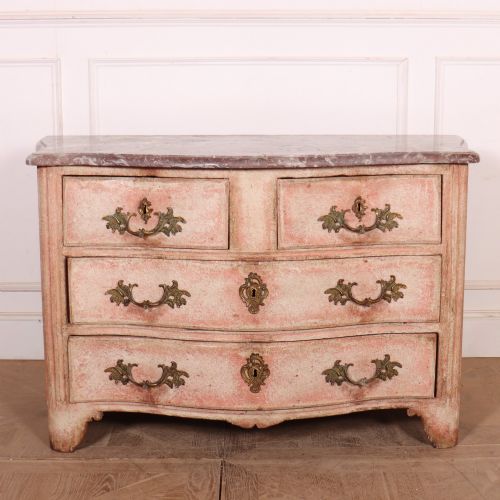
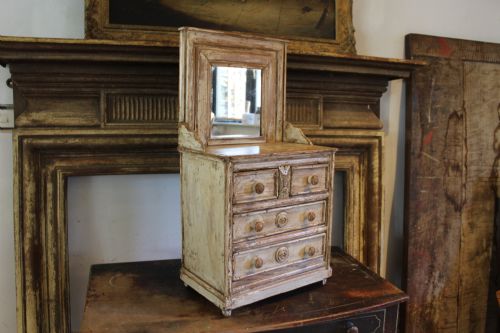
The most common examples on this page are painted wooden chests from the eighteenth and nineteenth centuries, often featuring serpentine or bowfront shapes. Alongside full-sized items, smaller variations such as apprentice pieces and miniature chests appear, offering compact storage with distinctive historical character.
How they were made
Cabinetmakers constructed these commodes using traditional timbers like oak, pine, and mixed woods, often applying layered paint finishes that have aged over decades or centuries. Structural surfaces frequently incorporate brass hardware for drawer pulls and key escutcheons.
Some examples utilise painted wooden tops while others integrate faux marble tops to mimic more expensive stone surfaces. Regional joinery techniques define the framework, from French provincial framing to Scandinavian baroque mouldings.
Distressed Wood Commode Retail Price Guide 2026
Typical asking prices for distressed wood commode among the pieces listed under this phrase on Sellingantiques today, from the lower quarter to the upper quarter. They describe what is for sale here now, not the wider market.
Materials recorded across the inventory include oak, pine, painted wood, brass, and marble alongside faux marble surfaces.
What varies in quality
The distinction between tiers of quality rests on the integrity of the original painted surface and the sophistication of the cabinet form. Pieces displaying authentic, undisturbed paint layers over centuries command greater interest than later decorative treatments.
Proportion and silhouette also drive quality, particularly in serpentine and bowfront commodes where curved drawer construction requires advanced carpentry skill. Finer hardware detailing and well-executed faux marble surfaces elevate the standing of individual pieces.
The Distressed Wood Commode Glossary
- Commode
- A low chest of drawers or cabinet, typically standing on short legs or feet. The form originated in France during the seventeenth century and remains a staple of period storage furniture.
- Serpentine
- A front profile characterised by a convex centre flanked by concave curves, or vice versa. This undulating shape demands precise woodwork.
- Bowfront
- A convex, outward-curving front facade popular in nineteenth-century cabinet design. It softens the linear appearance of a standard chest of drawers.
- Gustavian
- The Swedish interpretation of neoclassical style, characterised by restrained ornamentation and pale painted finishes. It developed during the late eighteenth century.
Distressed Wood Commode: Frequently Asked Questions
What is a distressed wood commode?
A distressed wood commode is a low chest of drawers or side cabinet fashioned from timber with an aged, weathered, or worn painted finish.
These pieces span various European regional styles from the eighteenth century onwards, offering practical drawer storage combined with decorative antique character.
How do I date an antique commode?
Dating relies on examining the construction methods, timber types, regional style characteristics, and the natural ageing of the paint and wood surfaces.
Earlier pieces from the eighteenth century often feature hand-cut joinery and baroque or provincial styling, whereas nineteenth-century examples incorporate distinct bowfront or serpentine shaping.
Where were these commodes made?
The pieces originate from across Europe, with strong representation from French provincial workshops, Italian studios, and Scandinavian makers in Sweden and Denmark.
English country cabinetmakers also contributed similar chests of drawers and side cabinets during the nineteenth century.
How can I style a commode at home?
A commode functions well in a hallway, bedroom, or living space as a statement storage surface that accommodates lamps, mirrors, or decorative objects.
The aged painted finishes allow these chests to anchor both traditional period rooms and more eclectic contemporary interiors.