







Distressed Timber Mirror Frame
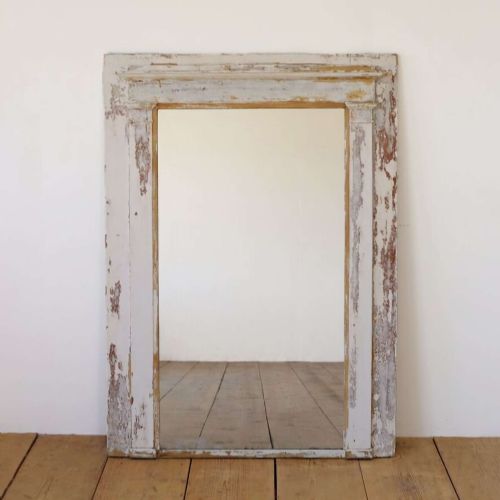
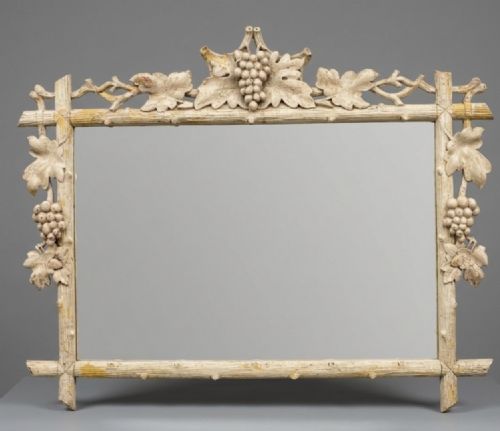
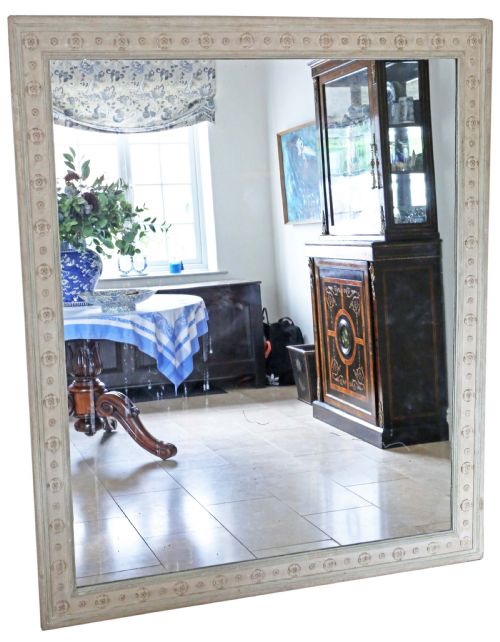
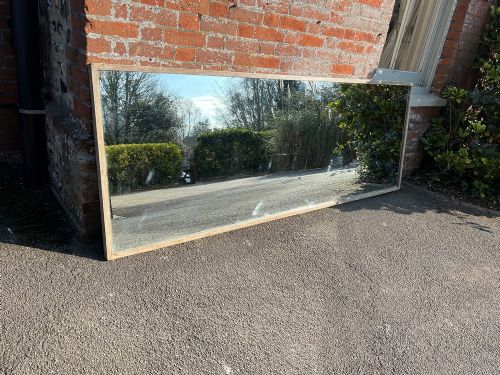
These distressed timber mirror frame examples bring weathered surfaces and period character into a room.
Distressed Timber Mirror Frame
A distressed timber mirror frame combines aged wood with reflective glass, appearing across wall mirrors, overmantels, and dressing mirrors. These pieces span the nineteenth century up through the nineteen-twenties, originating from English and French traditions.
The styles range from French Provincial and Chateau to English Country and Victorian Rustic. Buyers encounter large overmantels, arched top designs, and column framed panels alongside simpler wall mirrors.
The aesthetic relies on worn paint, exposed timber, and weathered gesso. Such surfaces show the passage of time through the framing material rather than a pristine factory finish.
How they were made
Carved wood provides the structural base for many frames, often enhanced with applied gesso to build up decorative mouldings. Artisans shaped timber into columns, arched tops, and shaped frames before applying layers of paint.
Glass plates, including mercury silvering variants, sit within these timber structures. The combination of painted wood and reflective glass defines the construction of these period mirrors.
Distressed Timber Mirror Frame Retail Price Guide 2026
Typical asking prices for distressed timber mirror frame among the pieces listed under this phrase on Sellingantiques today, from the lower quarter to the upper quarter. They describe what is for sale here now, not the wider market.
What varies in quality
Quality rests in the depth of the carving and the substance of the timber frame. Substantial overmantels and large architectural formats demand skilled carpentry to support heavy glass plates securely.
The character of the painted surface and gesso detailing distinguishes standard items from finer examples. Genuine age shows in the natural wear of the paint layers rather than artificial distress.
The Distressed Timber Mirror Frame Glossary
- Gesso
- A plaster-like material applied to wood frames to provide a smooth base for painting and intricate carved details. It allows artisans to shape ornate motifs before adding colour.
- Mercury silvering
- An older mirror backing process involving tin and mercury amalgam, creating a distinctive mottled and dark reflective appearance. This technique predates modern aluminium backing methods.
- Overmantel mirror
- A large horizontal mirror designed specifically to hang above a fireplace mantel. These pieces often feature substantial timber frames and architectural proportions.
- French Provincial
- A rustic yet refined style originating from provincial French regions, favouring painted wood and subtle carving. It balances decorative elegance with domestic utility.
Distressed Timber Mirror Frame: Frequently Asked Questions
Where should I hang a large timber mirror?
These large mirrors suit placement above a fireplace mantel or as a focal point on a main living room wall. Their substantial scale helps reflect light and open up the surrounding space.
Ensure the wall structure and fixings can support the weight of heavy timber and glass frames safely.
How do I care for distressed painted frames?
Dust the carved wood and painted surfaces gently with a dry, soft cloth. Avoid harsh chemical cleaners that might strip the aged patina or damage the underlying gesso.
Keep the mirrors away from excessive moisture and direct heat sources to protect both the timber frame and the mirror plate.
What defines French Chateau style?
French Chateau style draws on grand domestic architecture, featuring decorative carved details and painted finishes. These frames balance decorative presence with weathered authenticity.
They often incorporate architectural elements like columns and arched tops within the wooden structure.
How can I tell the age of a mirror frame?
Age is indicated by the construction methods of the timber, the composition of the gesso, and the character of the glass plate. Mercury silvering and hand-carved wood point to nineteenth or early twentieth-century origins.
Examine the backboards and fixings for signs of period craftsmanship and natural wear consistent with the stated era.