



Distressed Pine Furniture
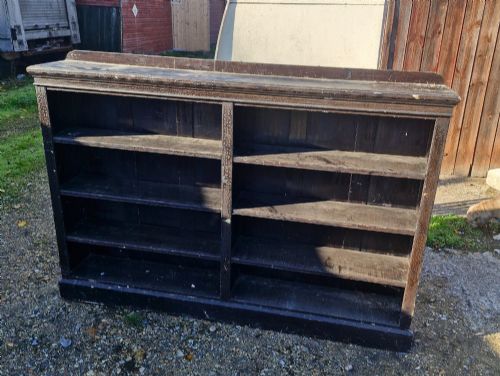
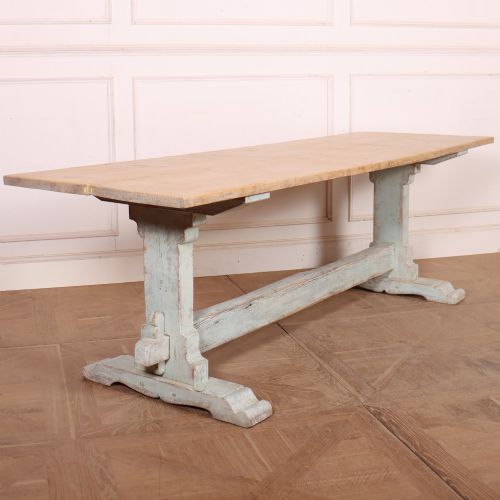
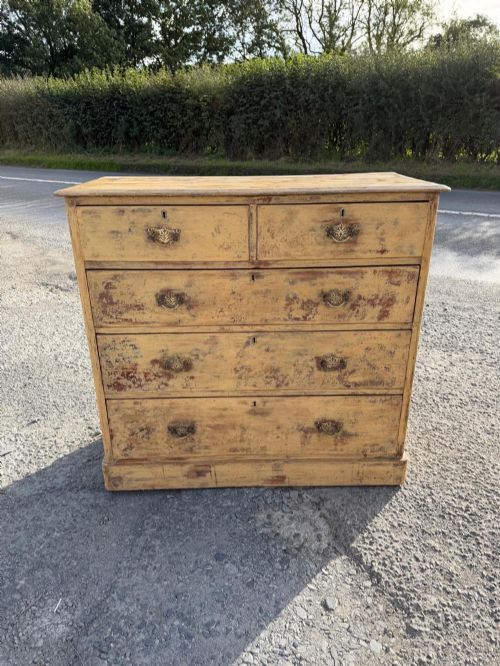
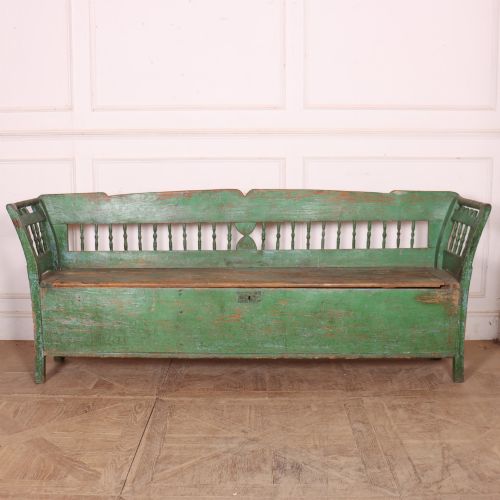
These pieces of distressed pine furniture bring honest country utility and weathered painted surfaces directly into domestic interiors.
Distressed Pine Furniture
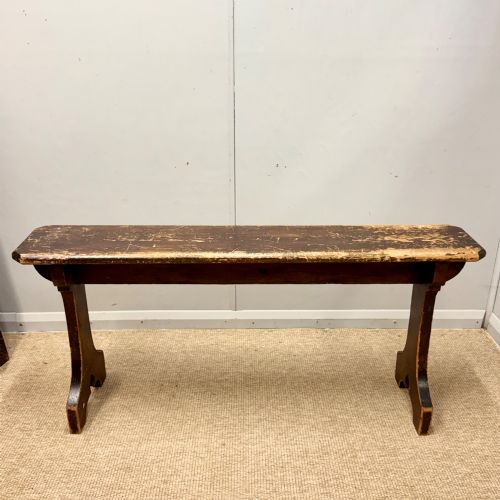
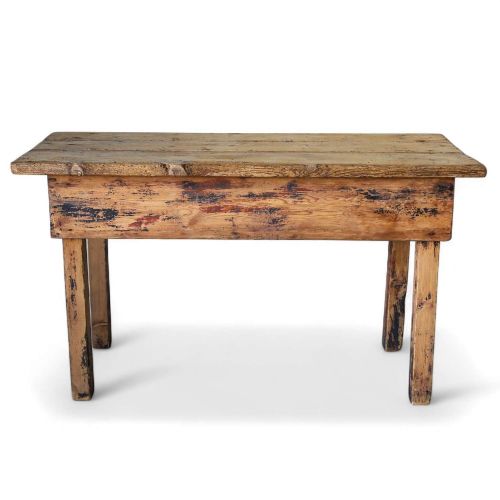
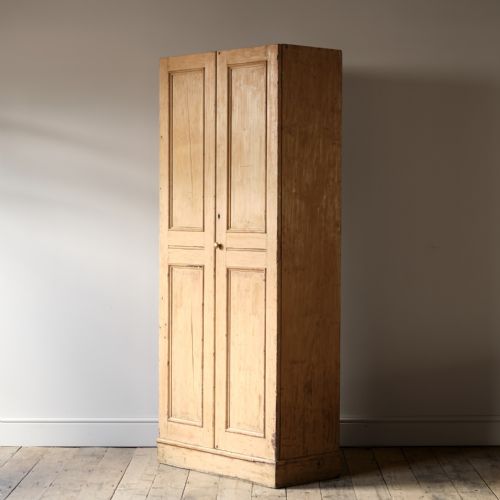
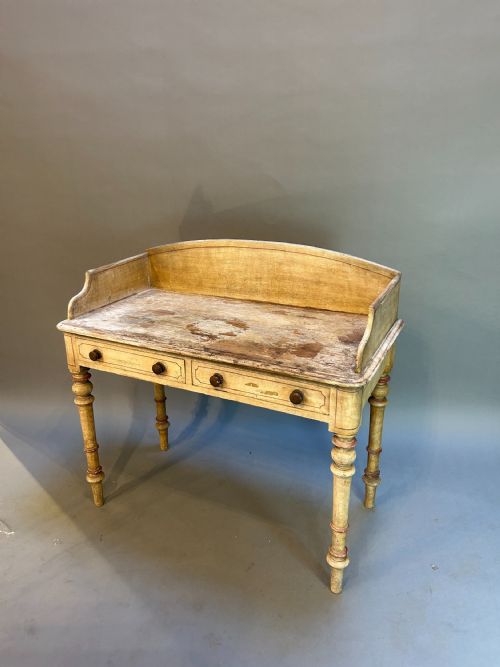
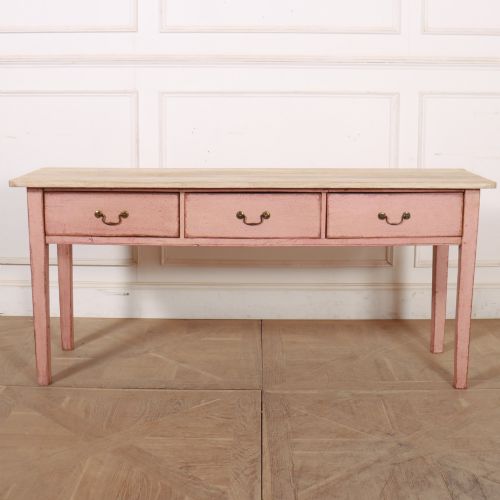
Distressed pine furniture encompasses utilitarian storage and seating pieces originating from country workshops and domestic environments across Britain and continental Europe. Buyers seek these items for their unpretentious proportions and the depth accumulated in their painted surfaces through generations of use. The selection spans straightforward chests of drawers, benches, cupboards, and tables produced from local timber.
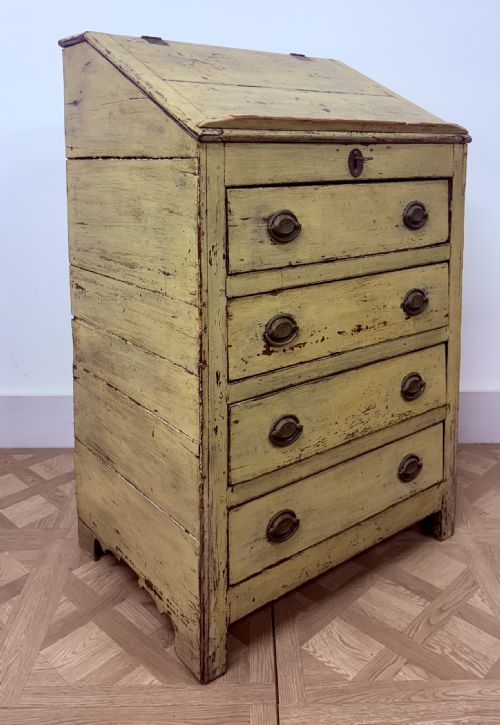
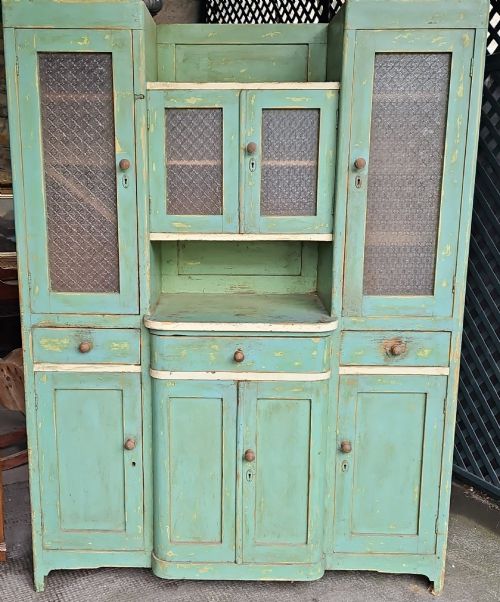
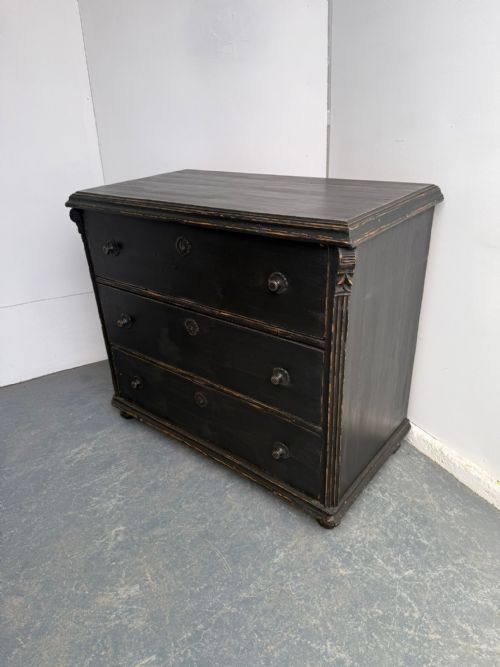
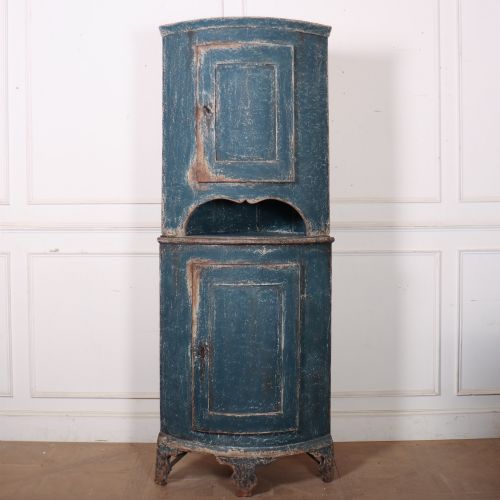
The version most frequently encountered on this page is the Victorian pine chest of drawers or cupboard finished in original paint, often originating from English or Hungarian workshops. Alongside these, Scandinavian painted pine tables and Swedish commodes appear with regularity, showing pale or dark painted schemes applied to soft wood. Regional vernacular pieces such as Welsh settle benches and tavern seats represent the earlier end of the timeline.
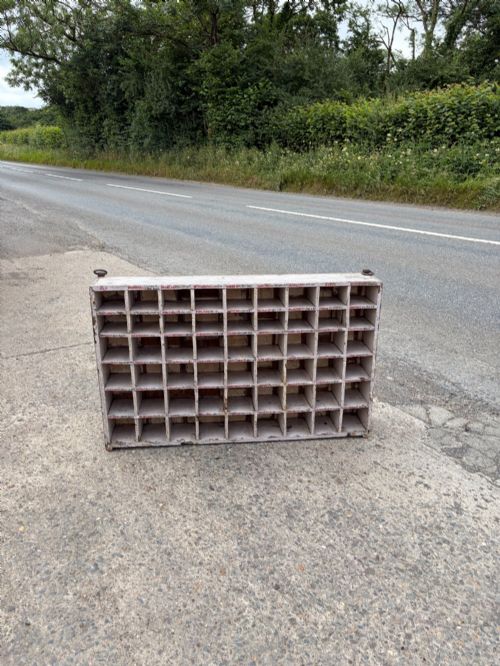
Forms remain practical and domestic, intended for daily labour in kitchens, halls, and bedrooms rather than formal reception rooms. Cabinets, washstands, and work tables retain their original functional hardware of brass or iron alongside pigeon holes and writing slopes. The aesthetic relies entirely on the interplay between exposed timber and weathered layers of paint.
Materials and construction methods
Makers built these pieces primarily from soft pine timber, selected for its accessibility and workability in regional joinery workshops. Planks were joined using standard techniques of the period, housing drawers with hand-cut joints and hanging doors on iron hinges. Scratch built examples demonstrate individual carpentry solutions improvised without standard factory machinery.
Surface treatments define the visual identity of these items, utilising traditional paint layers applied over the bare wood. Pigments in cream, grey, black, teal, and blue were built up over decades, wearing down naturally around handles and edges through repeated handling. Metal fixtures in brass and iron complete the construction, serving drawer pulls, hinges, and structural brackets.
Distressed Pine Furniture Retail Price Guide 2026
Typical asking prices for distressed pine furniture among the pieces listed under this phrase on Sellingantiques today, from the lower quarter to the upper quarter. They describe what is for sale here now, not the wider market.
Common forms in the inventory include chests of drawers, settles, corner cupboards, work tables, washstands, and hanging wall cabinets.
Distinguishing quality in vernacular pieces
Quality rests significantly upon the integrity of the surface finish and whether the paint layers remain original to the period of manufacture. Pieces retaining undisturbed historic paintwork with natural weathering hold greater integrity than those subjected to modern stripping or simulated distressing. The harmony of proportions across large forms, such as multi-drawer chests and two-piece dressers, dictates structural success.
Joinery execution separates standard workshop production from superior regional cabinet work, visible in the snug fit of drawer fronts and the stability of panelled doors. The presence of original hardware, including iron drop handles and brass escutcheons, adds authenticity to the piece. Regional distinctiveness, such as Gustavian fluting or Welsh vernacular framing, elevates the visual interest of the design.
The Distressed Pine Furniture Glossary
- Vernacular furniture
- Items made by local tradesmen for domestic or agricultural use rather than following high-style metropolitan fashions. These pieces prioritise utility and local material availability.
- Box settle
- A high-backed wooden bench featuring a storage compartment beneath the seat. The solid back protected sitters from draughts in farmhouse kitchens and taverns.
- Commode
- A low chest of drawers or cabinet, frequently associated with eighteenth and nineteenth-century European craftsmanship. Swedish examples often display decorative drawer fronts and refined proportions.
- Washstand
- A dedicated domestic table designed to hold a basin and jug for morning ablutions. These frequently include low splashbacks and lower shelves for storage.
- Gustavian
- The Swedish interpretation of neoclassical design championed under King Gustav III during the late eighteenth century. It translates French court styles into lighter, simpler painted pine forms.
Distressed Pine Furniture: Frequently Asked Questions
How do I identify original paint?
Original paint shows natural craquelure, consistent wear patterns around handles, and multiple thin layers rather than a uniform modern coat. Close inspection reveals how pigment settled into the grain over decades.
Under magnification, genuine historic surfaces display integration with the underlying pine substrate. Modern repainting often sits too evenly across knocks and abrasions.
Where were these pieces made?
Origin points span British country workshops in England and Wales alongside continental European regions including Sweden, Hungary, Austria, and France. Each region employed distinct palettes and construction nuances.
Local timber availability and domestic customs shaped whether a maker produced a tavern bench, a corner cupboard, or a multi-drawer chest.
How do I care for distressed pine?
Maintain these pieces in stable indoor environments away from direct heat sources and strong sunlight, which dries out soft pine and cracks old paint. Dust gently with a dry cloth.
Avoid harsh chemical cleaners that strip away historic patination. Wax can be applied sparingly to exposed wooden areas while avoiding fragile painted surfaces.
What is a Hungarian dresser base?
A Hungarian dresser base is a heavy, functional storage unit featuring cupboards or drawers constructed from local pine. They were built for rural kitchens to house heavy domestic utensils.
These pieces typically exhibit robust joinery and dark or brightly painted finishes that reflect regional Hungarian interior aesthetics of the nineteenth century.