


Distressed Paint Mirror
A distressed paint mirror brings weathered character and period depth to an interior through layered pigments and aged timber.
Distressed Paint Mirror
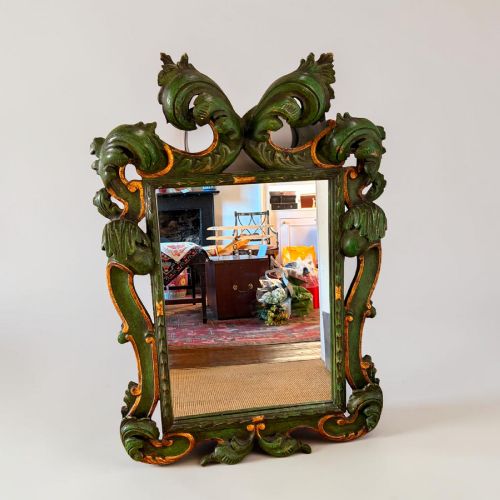
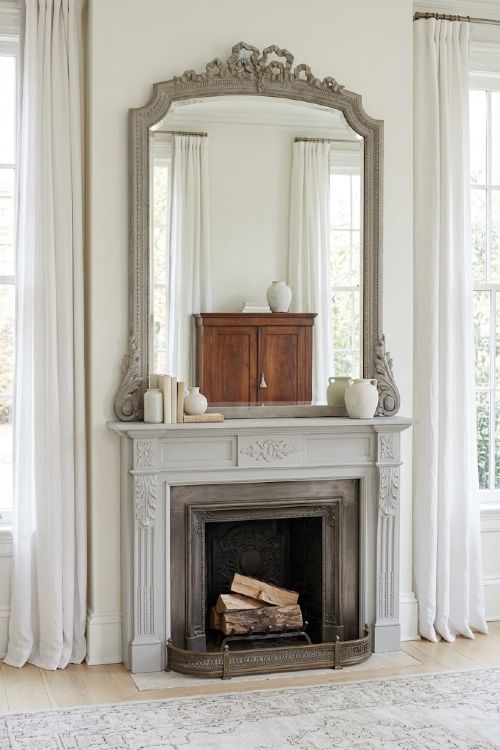
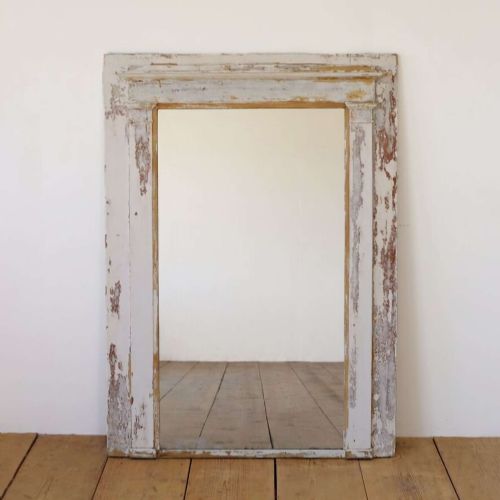
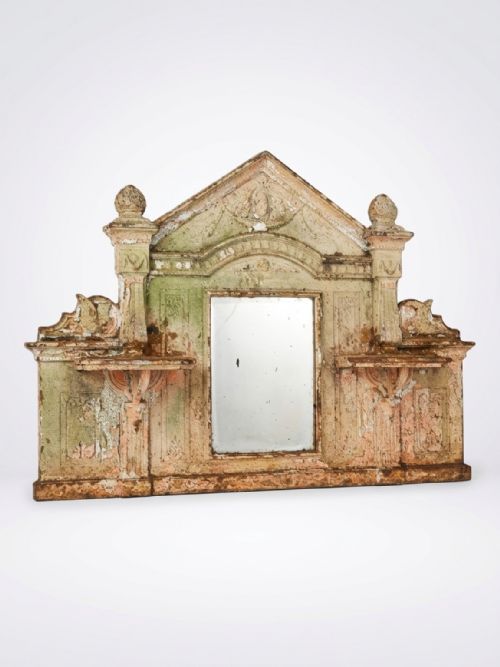
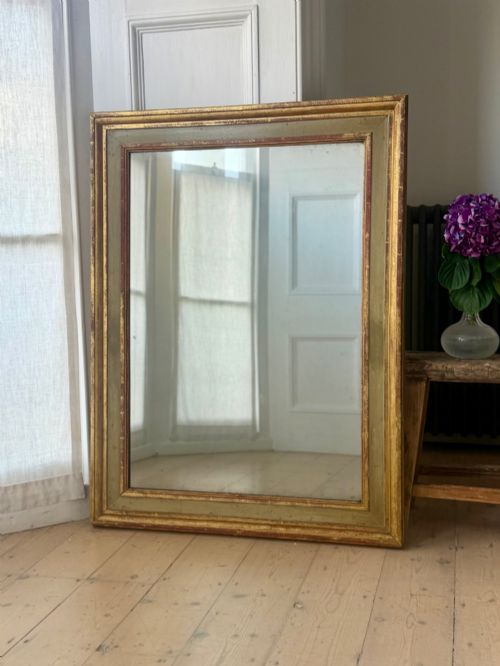
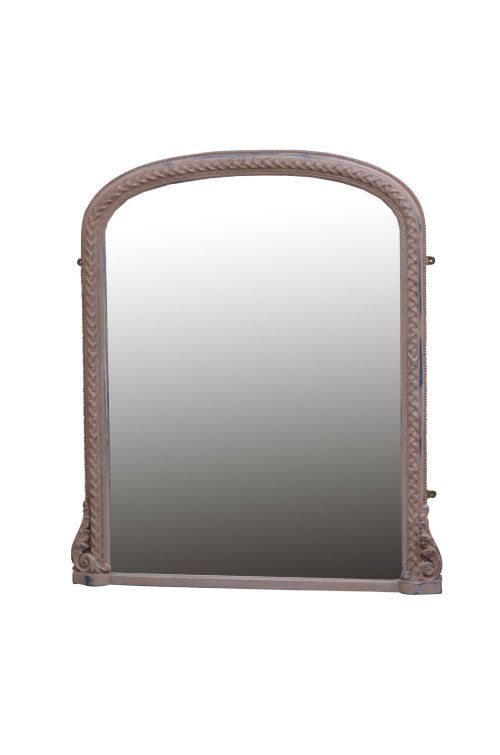
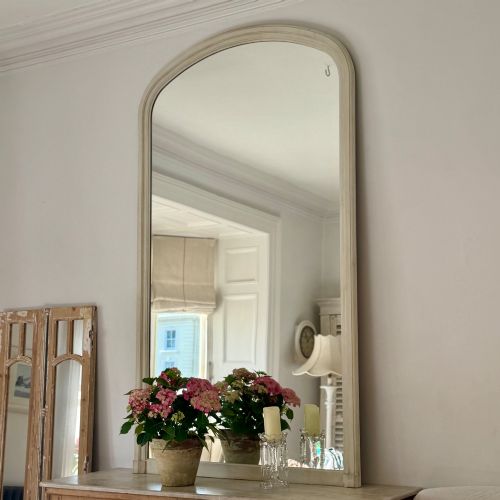
When searching for a distressed paint mirror, buyers encounter wall-hanging and overmantel formats spanning the eighteenth, nineteenth, and early twentieth centuries. These pieces reflect French chateau, provincial, rococo, and English Victorian traditions, often displaying architectural shapes like arched tops and shaped frames.
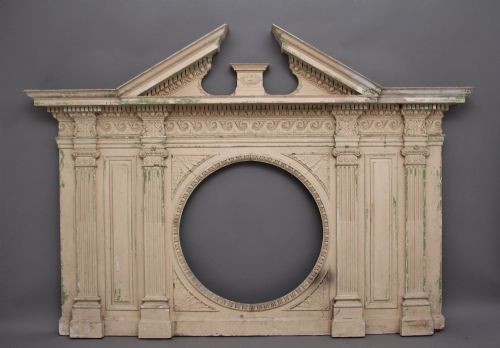
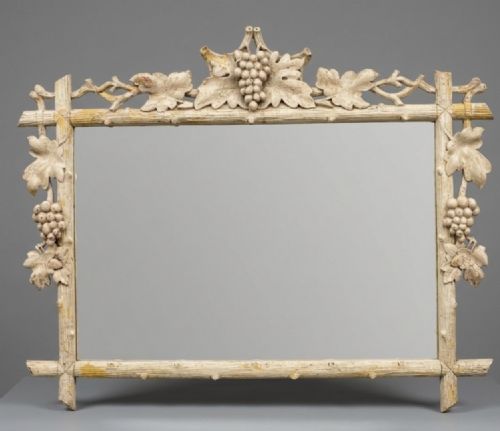
The selection frequently includes trumeau piers, hall glasses, and rustic carved wooden items alongside overmantels. Painted pine, gesso-coated timber, and carved wood dominate the available forms, ranging from modest domestic items to large, imposing wall pieces.
Materials and construction
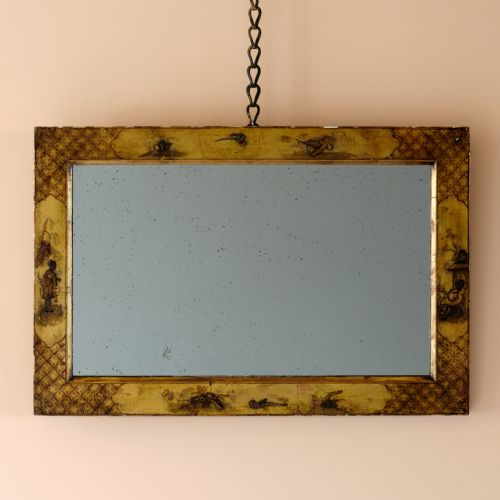
Makers built these frames using carved wood, pine, and applied gesso to create elaborate mouldings and decorative reliefs. Artisans then applied multiple layers of paint, sometimes incorporating giltwood accents, silvering, or Chinoiserie detailing beneath the surface wear.
Many incorporate original mirror glass or mercury glass plates secured within the wooden and gesso carcasses. The natural ageing of these components produces the characteristic cracked, chipped, and softened finishes appreciated by collectors.
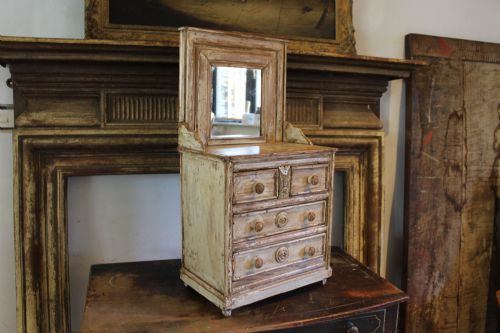
Among the architectural salvage and grand overmantels, an occasional miniature apprentice chest of drawers sneaks into the mirror search.
Distinguishing quality across the range
Quality rests upon the depth of hand-carving in the wooden frames and the integrity of the underlying gesso ornamentation. Deeply moulded architectural sections and crisply defined foliate scrolls separate superior artisan work from simpler domestic pieces.
The authenticity and age of the reflective plate further distinguish the pieces, with original mercury glass and hand-etched sections offering greater historical interest than later replacements. The harmony between the original paint layers and subsequent natural weathering defines the visual success of the surface.
The Distressed Paint Mirror Glossary
- Gesso
- A plaster-like mixture applied to wood frames to create a smooth surface for gilding or painting. Artisans carved intricate decorative details directly into this buildup.
- Trumeau
- A decorative wall mirror or panel designed to fit into the architectural space between windows or above a fireplace. These often feature painted or carved scenes above the glass plate.
- Overmantel
- A large horizontal mirror specifically scaled to hang above a fireplace mantelpiece. They frequently incorporate arched tops or column-framed borders.
- Mercury glass
- An early type of silvered glass produced by pouring a liquid mercury amalgam between double-walled blown glass. It creates a mottled, dark reflective quality unique to older pieces.
Distressed Paint Mirror: Frequently Asked Questions
How do I hang a heavy antique overmantel mirror?
Heavy carved wood and gesso frames require secure wall fixings anchored directly into masonry or substantial timber studs. Professional framing brackets distribute the considerable weight safely.
Position the mirror at a height that reflects natural light from windows or balances the proportions of the surrounding room.
Are original mercury glass plates fragile?
Original mercury glass is stable within its frame but requires gentle handling during cleaning. Avoid abrasive chemical solutions that can damage the delicate silvering behind the plate.
Use a soft cloth and mild cleaner applied sparingly to preserve the aged patina of the glass.
How can I tell a nineteenth-century frame from a reproduction?
Examine the construction joints, the composition of the gesso, and the wear patterns on the painted surfaces. Older frames show hand-cut joinery and natural shrinkage cracks in the wood.
Genuine pieces exhibit cumulative surface wear that differs from artificial distressing techniques found in modern manufacturing.
Where should I place a distressed paint mirror at home?
These mirrors function effectively above fireplaces, along hallway walls, or above console tables to brighten darker interior spaces. Their aged surfaces complement both traditional and contemporary room schemes.
Positioning them opposite a window maximises the reflection of daylight across the living area.