

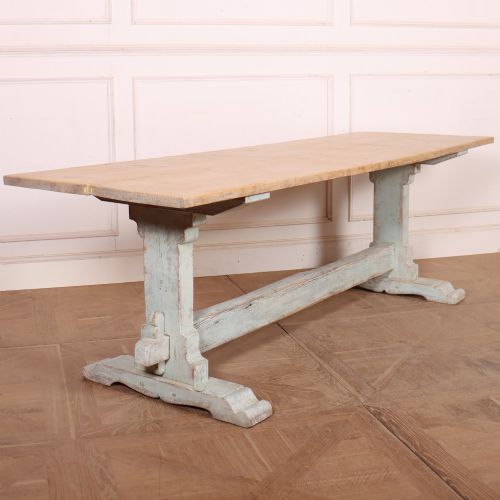
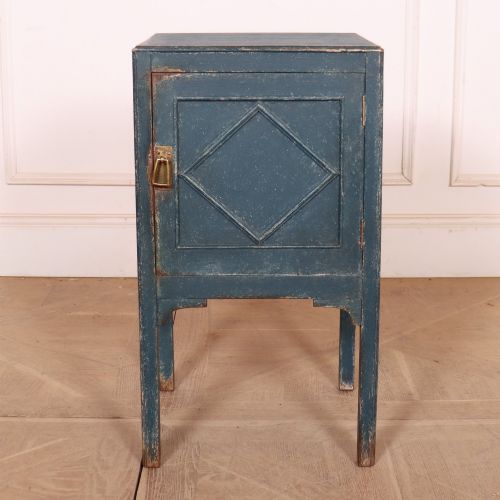
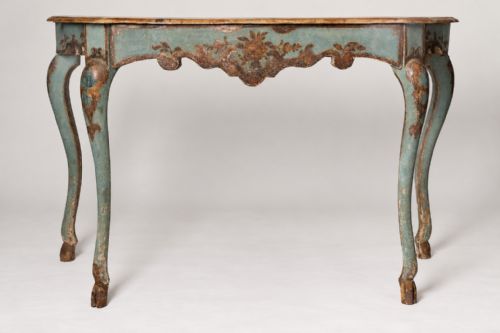
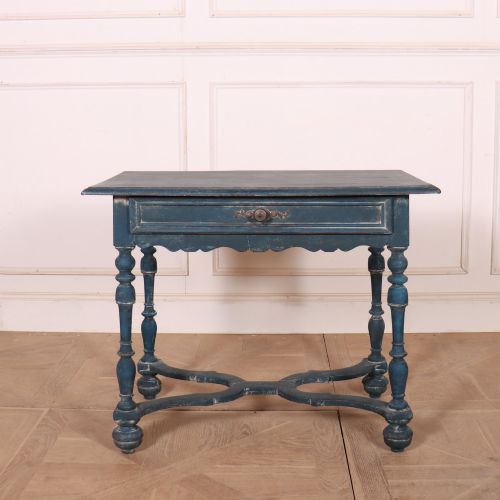


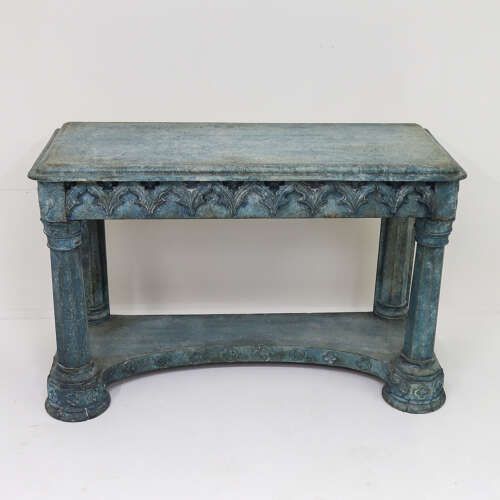


Distressed Blue Table
A distressed blue table brings character to a room through weathered painted timber and time-worn finishes.
Distressed Blue Table
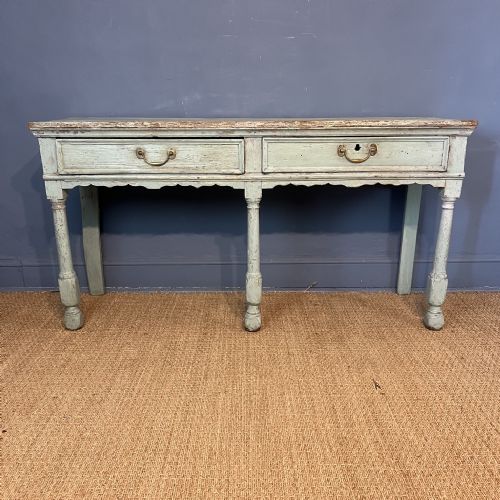
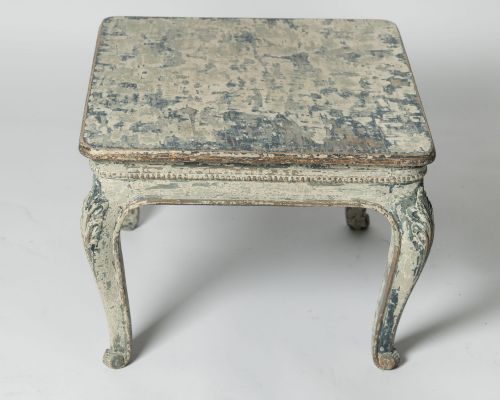
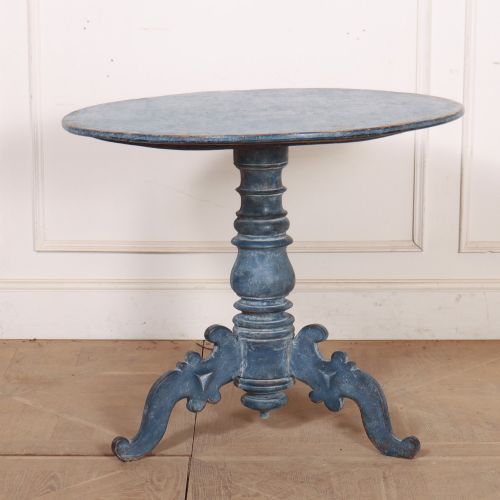
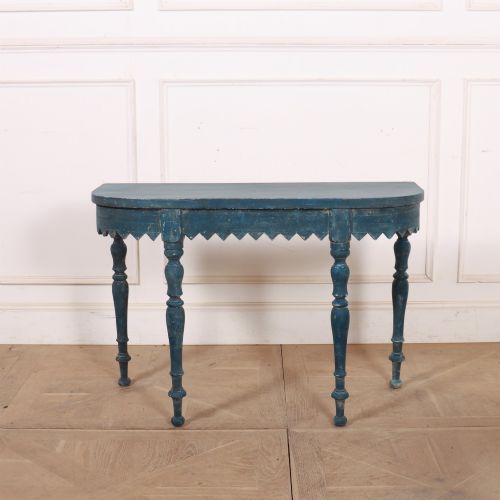
A distressed blue table comprises a variety of painted wooden forms intended for practical use in domestic spaces, ranging from side and lamp tables to larger console and serving tables. When searching for a distressed blue table, buyers typically encounter pine and timber pieces originating from country houses and provincial workshops.
The selection includes specific regional types such as Swedish and Scandinavian painted tables alongside English country pieces, often displaying worn surface treatments. Forms span from simple drop-leaf and occasional tables to dresser bases and commodes with painted decoration.
Examples date from the early eighteenth century through the nineteenth century and into the early twentieth century, reflecting diverse provincial styles from English country to French provincial and Gustavian. These surfaces show the accumulation of age through patinated layers of paint.
How they were made
Construction relies primarily on pine and general timber, shaped by joiners and carpenters using traditional methods suited to provincial workshops. Surfaces receive multiple layers of paint, which over decades wear down organically through daily use to reveal underlying timber or earlier pigment.
Selected pieces incorporate brass hardware or fitted marble tops, combining utilitarian wooden frames with contrasting stone surfaces. Joinery techniques vary from simple pegged construction in eighteenth-century dresser bases to later nineteenth-century turning and bracket supports.
Distressed Blue Table Retail Price Guide 2026
Typical asking prices for distressed blue table among the pieces listed under this phrase on Sellingantiques today, from the lower quarter to the upper quarter. They describe what is for sale here now, not the wider market.
One nineteenth-century Swedish table spent its working life in a bustling bakery before acquiring its current distressed blue coat.
What varies in quality
Quality rests in the integrity of the original painted surface and the honesty of the wear rather than artificial distress applied later. Pieces that retain their early or original paint layers demonstrate superior historical character compared to later repaintings.
Proportion and structural balance separate standard utilitarian workshop items from finer regional examples, such as Gustavian commodes or Gothic console tables. The integration of materials like marble tops or brass fittings also elevates the standard of individual pieces.
The Distressed Blue Table Glossary
- Gueridon
- A small French table, often circular, supported by a central pillar or figures. These pieces frequently feature marble tops and decorative painted woodwork.
- Dresser Base
- A low kitchen or dining room sideboard featuring drawers and sometimes potboards below. They serve as substantial storage furniture in country house settings.
- Console Table
- A table designed to stand against a wall, frequently fixed or supported by brackets. Eighteenth and nineteenth-century versions often display elaborate painted finishes.
- Gueridon
- A small French table, often circular, supported by a central pillar or figures. These pieces frequently feature marble tops and decorative painted woodwork.
- Drop Leaf Table
- A table with hinged flaps on either side that can be folded down to save space. They appear frequently in nineteenth-century pine furniture.
Distressed Blue Table: Frequently Asked Questions
How do I care for painted wooden tables?
Clean surfaces gently with a dry or barely damp cloth to preserve fragile paint layers. Avoid harsh chemical cleaners that might strip historical pigment.
Keep tables away from direct heat sources and strong sunlight to prevent the timber from warping and the paint from fading further.
Are these tables suitable for daily use?
Most provincial tables are robustly constructed from pine or hardwood timber and handle everyday domestic activities easily. Their existing wear means minor additional marks blend into the historic surface.
Marble-topped versions offer durable workspaces for lamp tables or washstands, though acidic spills should be wiped promptly from the stone.
How do I identify eighteenth-century pine pieces?
Examine the construction joints for hand-cut dovetails and pegged framing typical of early workshop production. Timber surfaces often display deep patination and distinct tool marks from primitive planes.
Paint layers on eighteenth-century examples tend to show multiple underlying strata accumulated over generations of domestic maintenance.