



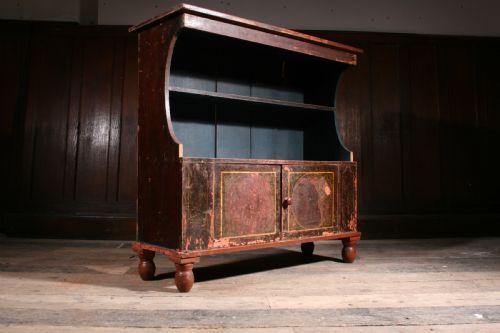
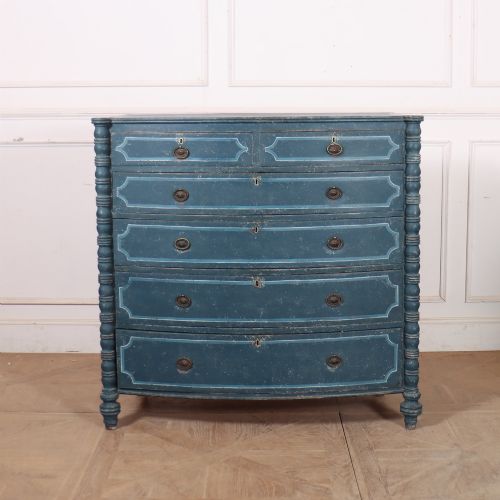


Distressed Blue Dresser
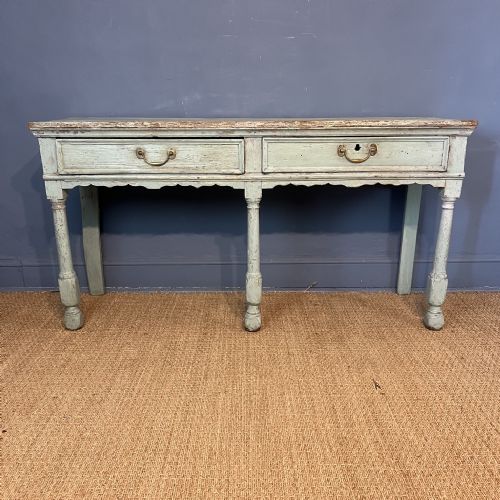
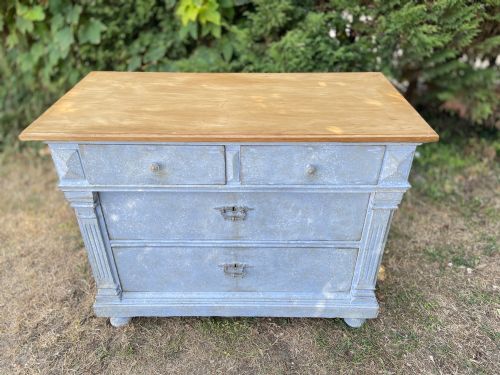
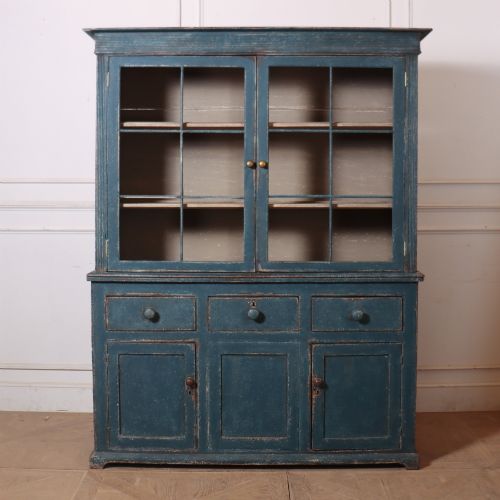
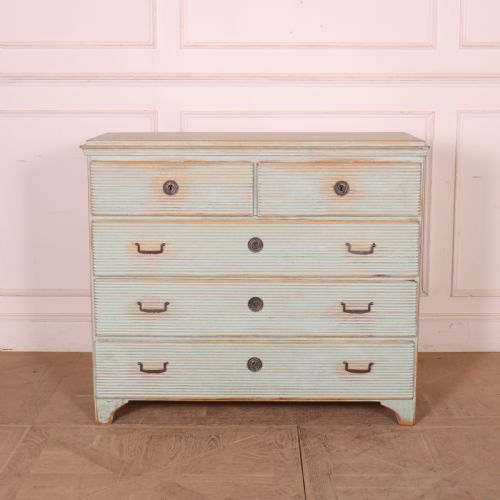
These distressed blue dresser examples bring honest regional character and time-softened charm straight into a modern interior.
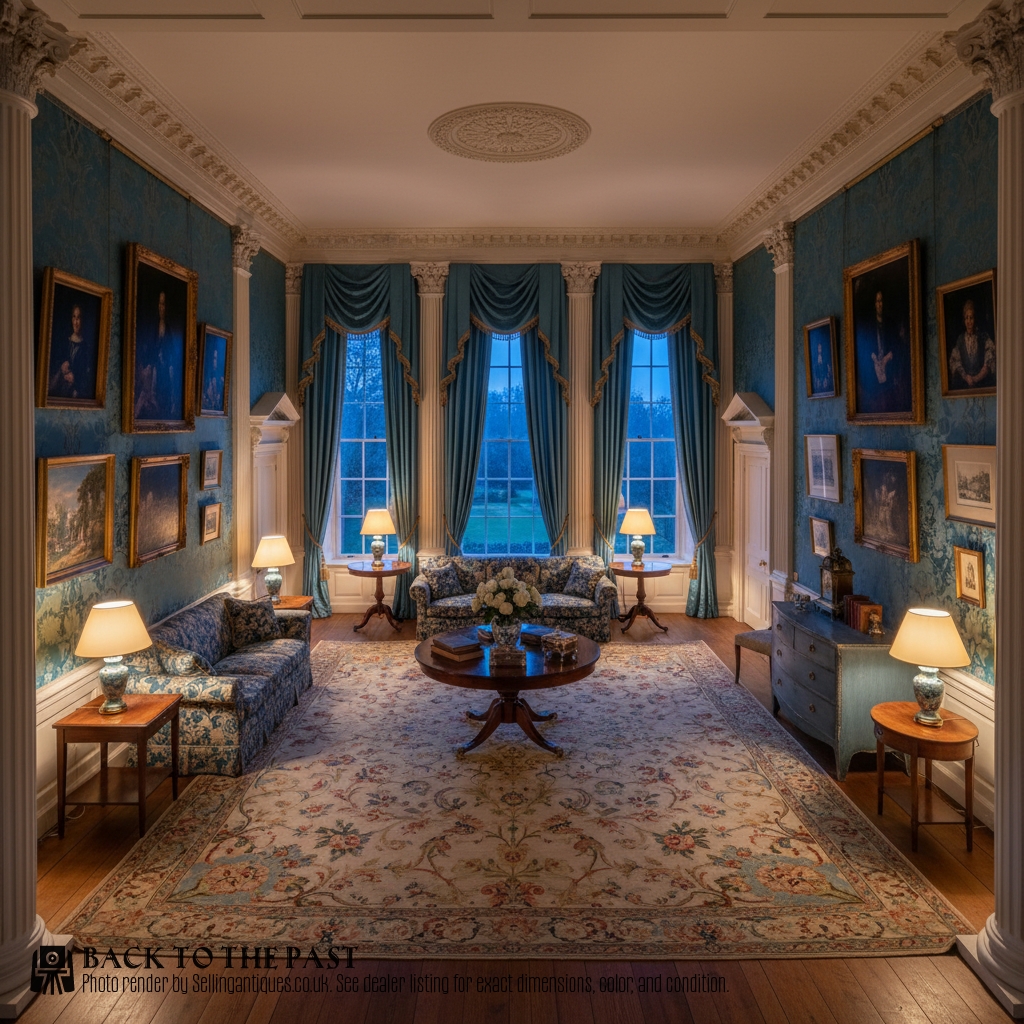
Distressed Blue Dresser
A distressed blue dresser offers practical storage while carrying the rich visual history of centuries past. When you search for a distressed blue dresser, you encounter pieces originating from English country houses and continental workshops alike.
The selection here spans sturdy kitchen dresser bases, tall cupboards, and chests of drawers finished in layered paint. These pieces range from eighteenth-century oak and pine forms to nineteenth-century regional interpretations.
How they were made
Local joiners built these items using native timbers such as pine, oak, and painted wood, joined with traditional framing methods. Metal hardware including brass handles and iron fittings added functional strength to doors and drawers.
Surfaces received multiple coats of paint that aged naturally through decades of daily use. Some examples feature decorative touches like faux marble tops or carved drawer fronts.
Distressed Blue Dresser Retail Price Guide 2026
Typical asking prices for distressed blue dresser among the pieces listed under this phrase on Sellingantiques today, from the lower quarter to the upper quarter. They describe what is for sale here now, not the wider market.
What varies in quality
Quality rests upon the integrity of the original timber frame and the authenticity of the surface finish. Pieces retaining their early or original paint layers command greater interest among collectors seeking genuine period character.
Proportion and regional vernacular detail dictate the distinction between standard utility items and finer workshop productions. Better examples display balanced drawer arrangements and clean lines despite heavy weathering.
The Distressed Blue Dresser Glossary
- Dresser base
- A lower sideboard or cabinet featuring drawers and cupboards without upper shelving. This form served domestic food preparation and storage needs in country kitchens.
- Gustavian style
- A Swedish interpretation of French neoclassical design characterised by lighter proportions and muted painted finishes. It emerged during the late eighteenth century under King Gustav III.
- Potboard
- An open slatted lower shelf fitted between the legs of a traditional dresser base. Households utilised this space to store heavy earthenware pots and kitchen utensils.
- Commode
- A low French chest of drawers standing on relatively tall legs. These pieces often feature decorative hardware and shaped serpentine or bombe fronts.
- Vernacular
- Everyday furniture built by local tradesmen using regional traditions rather than metropolitan pattern books. These objects reflect the practical needs and materials of their specific geographic area.
Distressed Blue Dresser: Frequently Asked Questions
Where did these dressers originate?
These pieces come from various regions including English country workshops, French provinces, and Scandinavian countries. Each area developed distinct carpentry methods and local furniture designs.
Local timber availability and regional domestic habits shaped whether makers produced open potboard bases, tall cupboards, or multi-drawer chests.
How do I care for painted wood?
Maintain painted furniture by keeping it away from direct sunlight and sudden temperature shifts that cause timber to move. Dust gently with a dry or slightly damp cloth.
Avoid chemical cleaning products that might strip or soften the historic paint layers accumulated over decades of use.
Are these pieces suitable for modern kitchens?
These cupboards and drawer units fit well into contemporary kitchens and dining spaces to provide practical storage. Their generous proportions accommodate modern dishware and linens easily.
The weathered blue surfaces introduce warmth and a relaxed focal point against neutral walls or modern units.
How can I tell original paint from later decoration?
Original surface treatments show natural craquelure, consistent wear patterns around handles, and pigment accumulation in crevices. Examining the wood beneath helps confirm the age of the finish.
Later overpainting often feels uniform or lacks the subtle colour variations found in coatings exposed to decades of light and air.