



Display Drawer Unit
A display drawer unit brings together open shelving and enclosed storage across periods from the Georgian era to the Art Deco years.
Display Drawer Unit
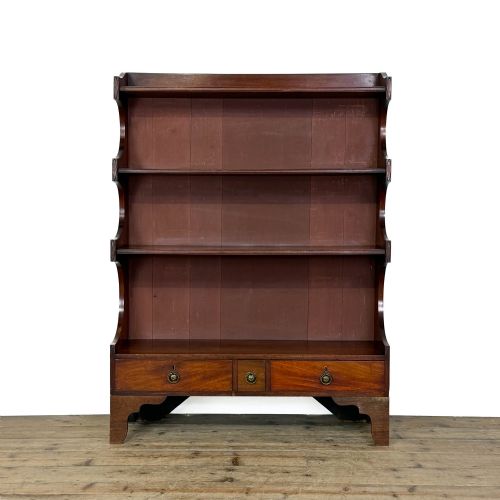
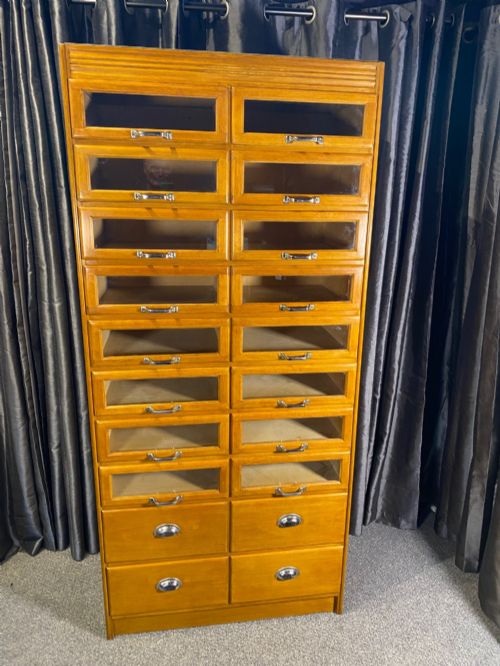
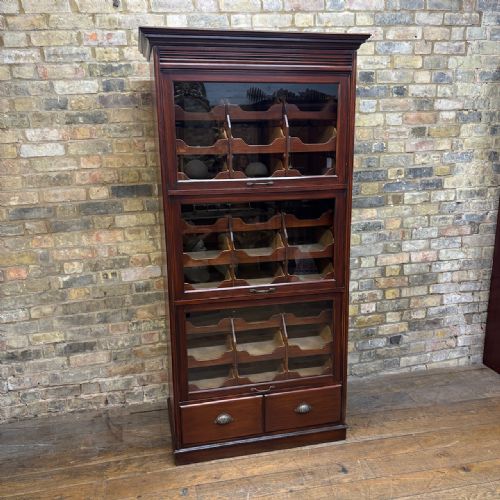
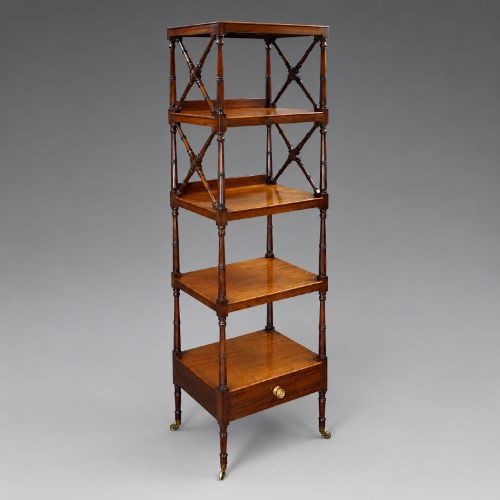
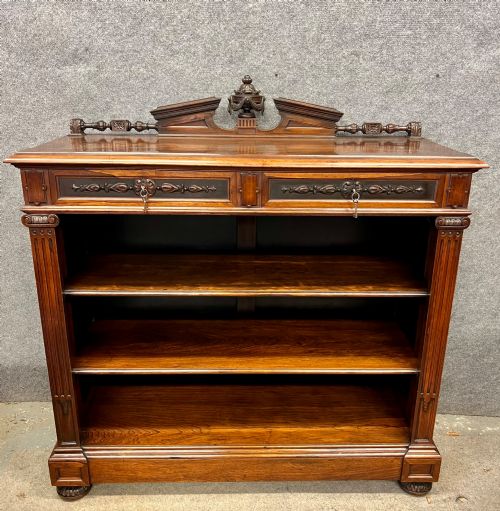
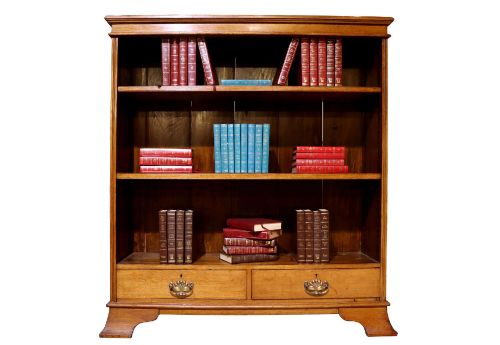
When you search for a display drawer unit, you are looking at multifunctional furniture designed to exhibit objects while keeping smaller items stored away safely. These pieces bridge the gap between open display shelving and practical compartments, fulfilling roles once assigned to whatnots, etageres, bookcases with lower drawers, and haberdashery counters.
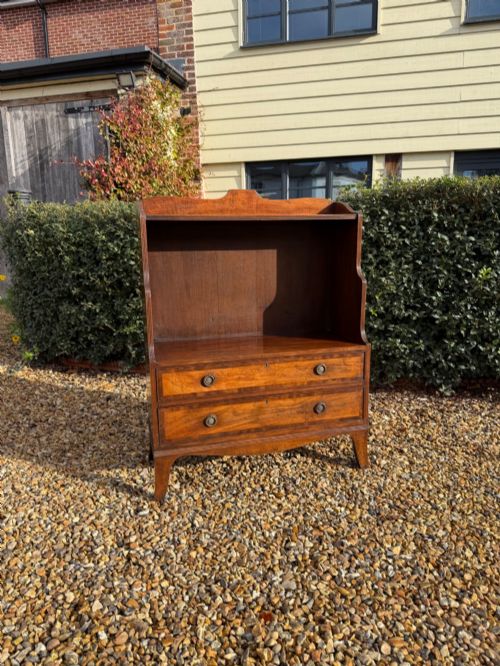
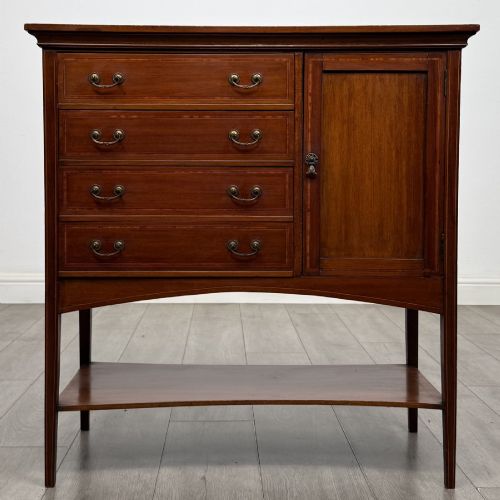
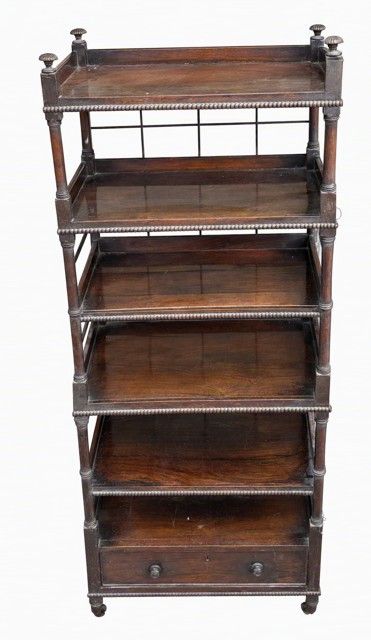
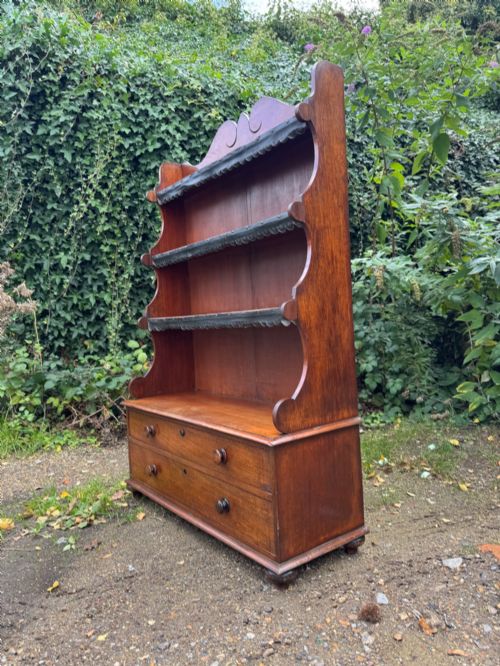
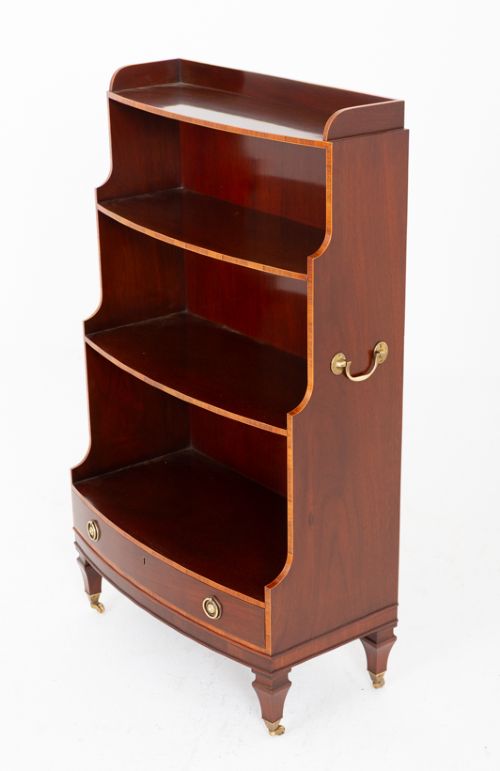
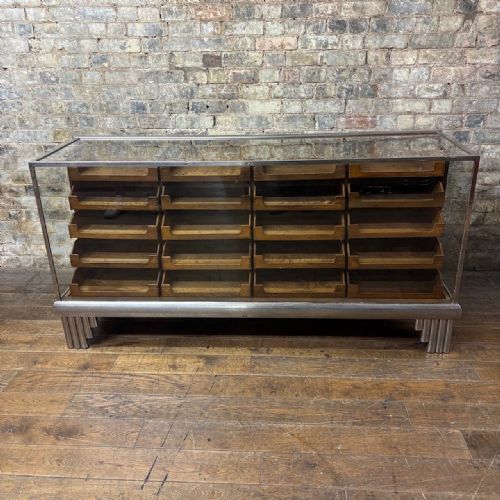
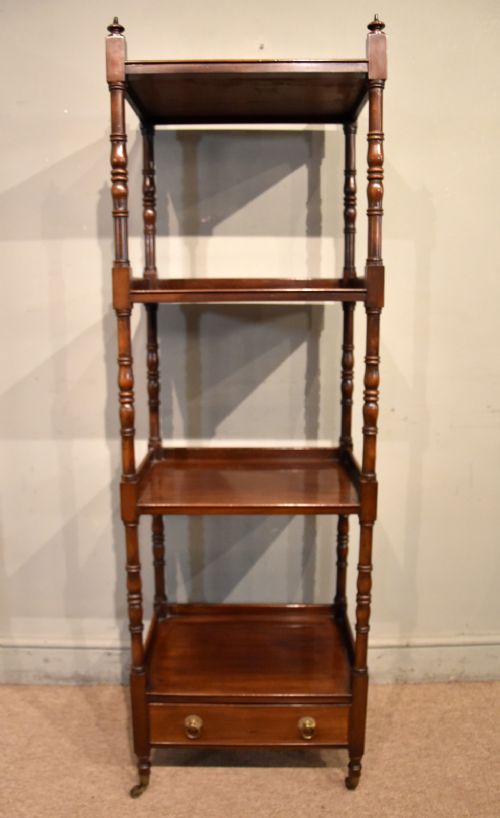
The versions you are most likely to meet on this page span from the Georgian, Regency, and Victorian eras through to the Edwardian period and the 1930s. They take the form of multi-tiered open shelves, tall bookcases fitted with lower drawers, and multi-drawer shop fittings constructed for visibility and access.
Originating as pieces for displaying prized possessions or organising specialised goods, these items utilise domestic timbers alongside utilitarian shop materials. The inventory balances refined parlor furniture with robust commercial fittings, reflecting how storage and display merged across different centuries.
Materials and construction
Makers relied heavily on dense hardwoods like mahogany, walnut, rosewood, and burr walnut for domestic parlor pieces, frequently employing brass embellishments and mirror plates for added visual reflection. These timbers were selected for their stability and capacity to take a fine polished finish on tiered shelves and cabinet bodies.
Utility and shop pieces turned to oak, pine, and satinwood, occasionally incorporating chrome elements and painted surfaces such as white or dark grey finishes. Construction methods prioritized secure tier supports, adjustable shelving mechanisms, and multiple closely fitted drawer banks designed for heavy daily use.
Display Drawer Unit Retail Price Guide 2026
Typical asking prices for display drawer unit among the pieces listed under this phrase on Sellingantiques today, from the lower quarter to the upper quarter. They describe what is for sale here now, not the wider market.
Materials span traditional hardwoods like mahogany, walnut, and rosewood, alongside practical pine and oak.
Assessing quality and execution
The distinction between standard items and superior examples lies in the selection of timber veneers, such as figured burr walnut or rich rosewood, and the crispness of turned supports and carved details. Finer pieces demonstrate precise joinery in multi-tier structures and drawer assemblies that operate smoothly without modern intervention.
Proportion and architectural integrity separate workshop pieces from master cabinet work, particularly in multi-drawer shop counters and multi-tier étagères where balance is critical. Original surfaces, such as patinated wax on mahogany or untouched painted finishes on shop fittings, elevate the standing of a piece considerably.
Dudley & Co
The Display Drawer Unit Glossary
- Whatnot
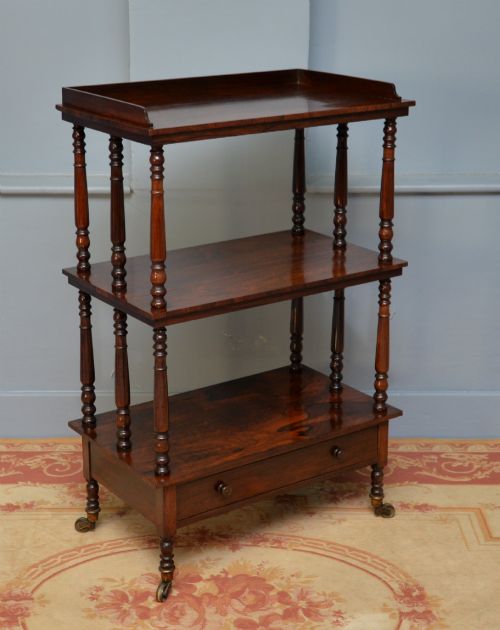
- An open piece of furniture consisting of several shelves for books or ornaments, popular in the 19th century. These often feature slender turned uprights and occasionally include a single lower drawer.
- Étagère
- A French term for a piece of furniture with a set of open shelves for displaying small objects. They are closely related to whatnots and frequently share tiered designs.
- Haberdashery counter
- A commercial display cabinet featuring numerous shallow drawers with glass fronts or open tops. Originally used in shops to display small dry goods.
- Cellarette
- A lockable container or compartment used for holding bottles, occasionally incorporated into the base of 19th-century stands and whatnots.
- Waterfall bookcase
- A set of open shelves where each successive shelf is deeper than the one above it, creating a cascading silhouette.
Display Drawer Unit: Frequently Asked Questions
What is a display drawer unit?
A display drawer unit combines open shelving for decorative items with enclosed drawer storage beneath or beside the display area. These versatile forms evolved from period whatnots, etageres, and shop fittings.
They serve multiple rooms by offering both surface visibility and concealed organisation. The configuration typically balances structural verticality with accessible compartment space.
How do I date a wooden bookcase?
Dating relies on identifying primary timber choices, structural joints, and decorative carving styles typical of specific reigns and decades. Regency pieces favor rosewood and brass, whereas Edwardian items often display lighter oak.
Secondary woods inside drawers and backboards offer further clues to the manufacturing decade. Hardware fixings and surface patination also help confirm the active period of production.
Where were shop fittings used?
Shop fittings with multiple drawers and display counters originated in commercial establishments and mercantile environments during the late 19th and early 20th centuries. They were designed to hold small stock while presenting an organised front to customers.
Today, these utilitarian pieces find new life in domestic interiors as kitchen islands, sideboards, or studio storage units. Their robust construction suits modern living spaces perfectly.
What is the difference between a whatnot and an etagere?
A whatnot is traditionally a British tiered shelving unit with upright supports, frequently featuring a lower drawer for enclosed storage. An etagere is often of French derivation, serving a similar multi-tiered display function with decorative flair.
Both terms describe open furniture designed to hold ornaments, books, or collections. Over time, makers and retailers used the terms interchangeably for multi-shelf display furniture.