


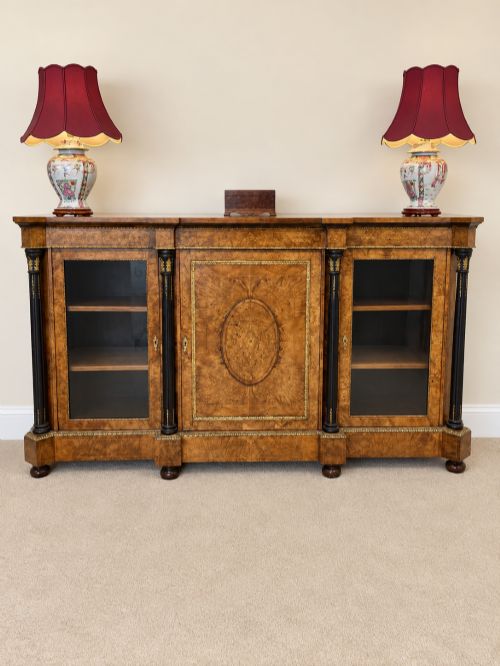
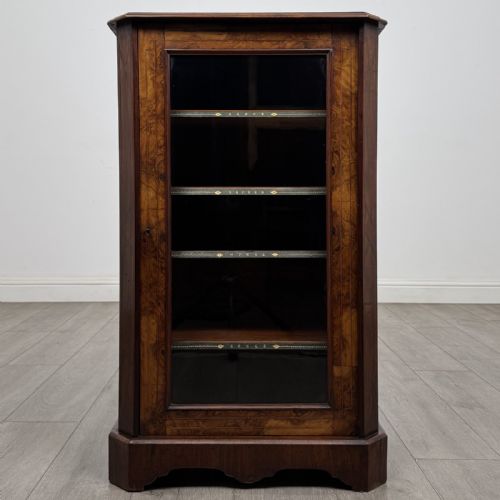
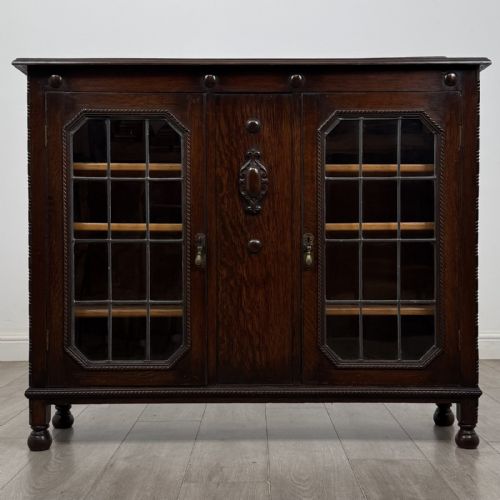
Display Cabinet with Glass Doors
A display cabinet with glass doors protects cherished collections while offering a clear view across Victorian, Edwardian, and nineteenth-century designs.
Display Cabinet with Glass Doors
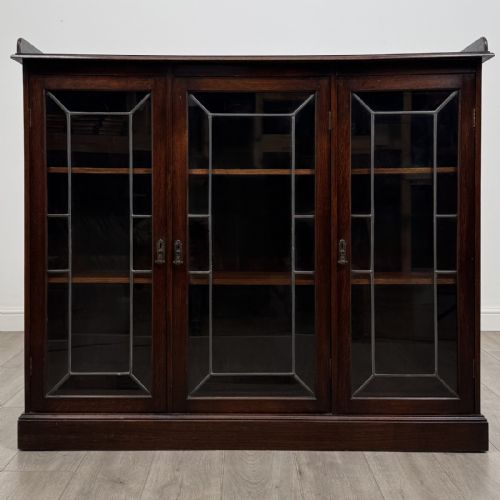
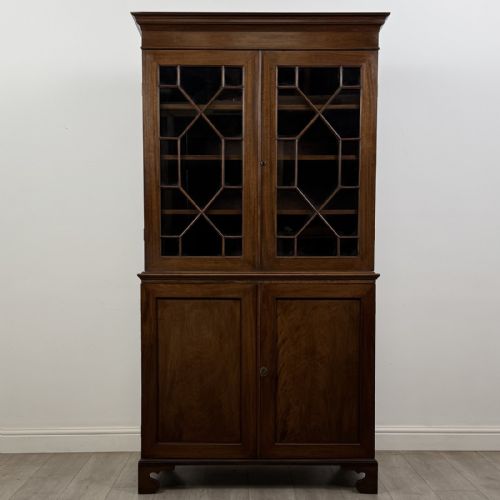
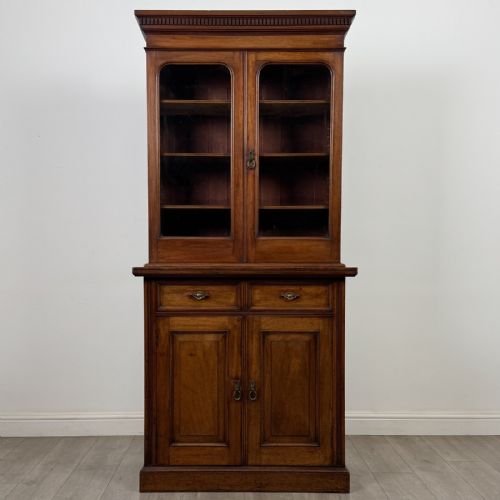
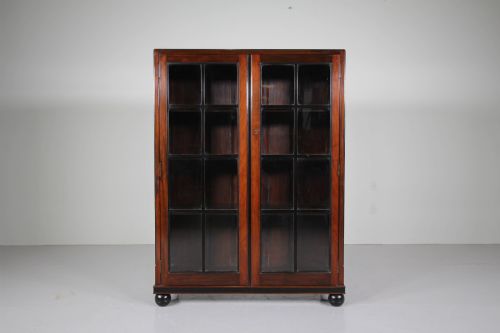
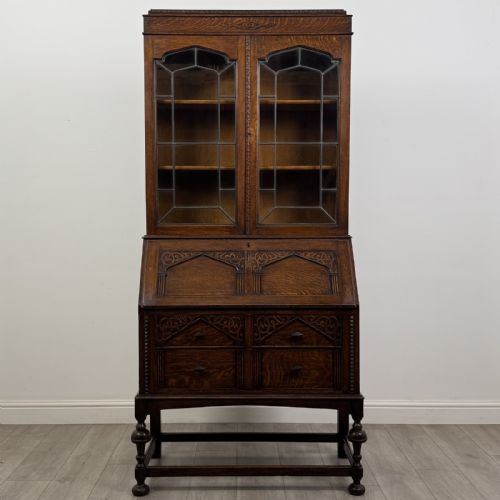
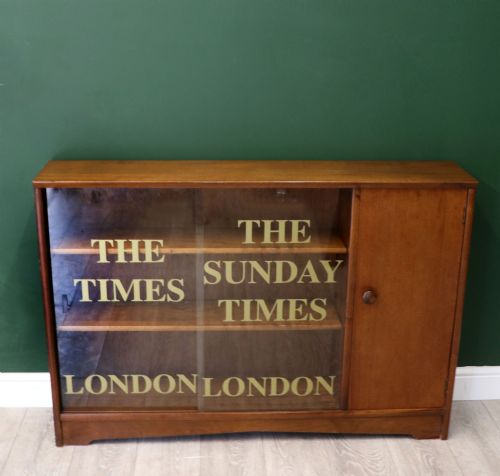
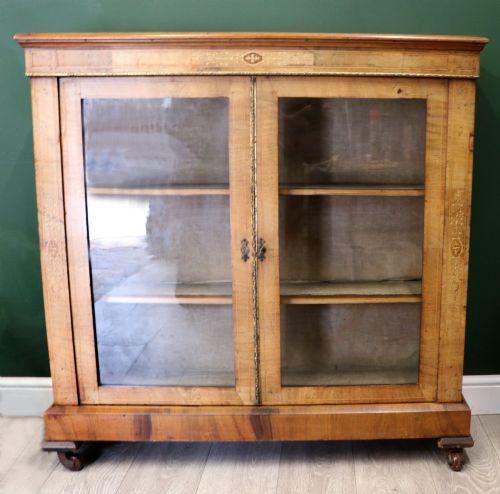
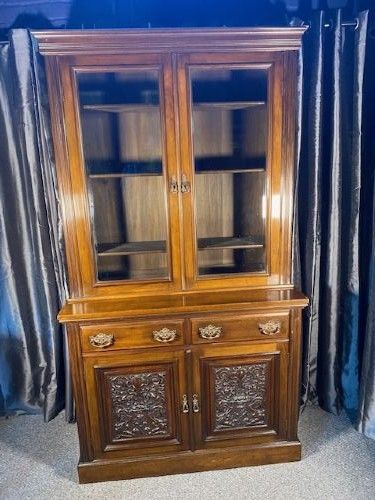
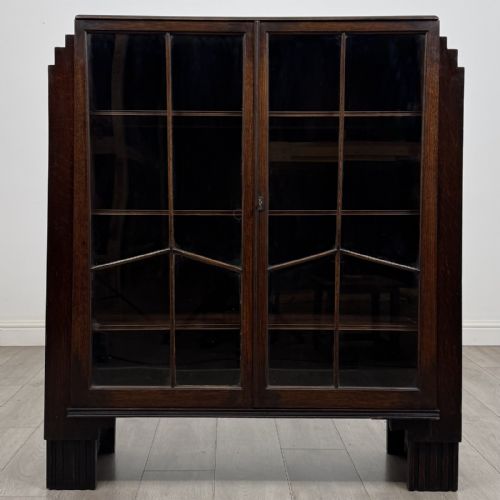
A display cabinet with glass doors serves primarily to exhibit books, china, or curiosities while keeping dust at bay. Buyers searching this phrase will find a wide array of forms, from tall upright bookcases to low pier cabinets and corner cupboards.
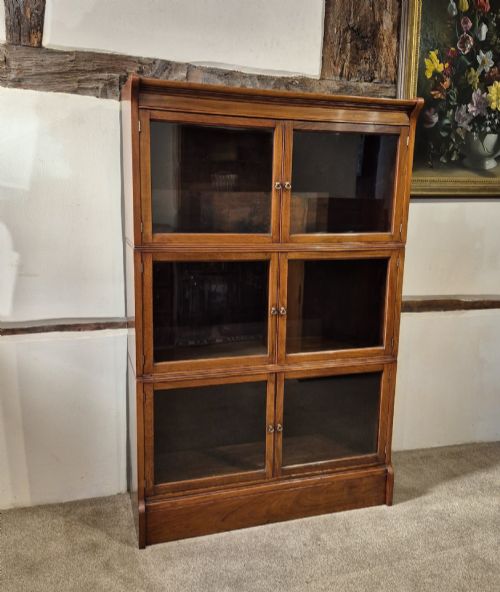
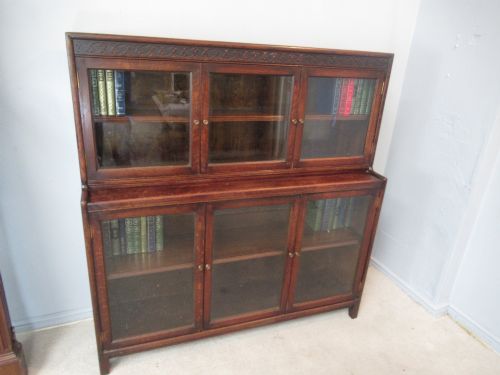
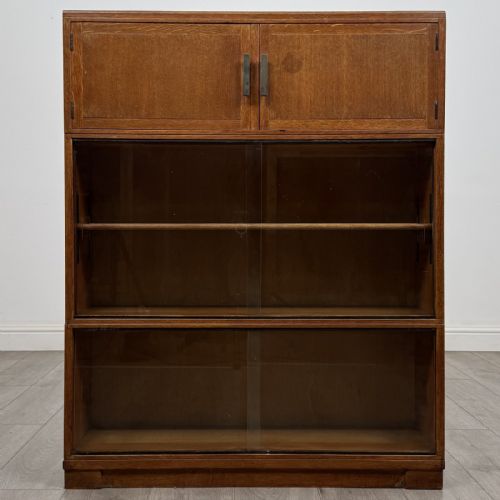
The selections span distinct periods, with Edwardian satinwood and mahogany versions appearing frequently alongside sturdy Victorian walnut and oak pieces. Sectional stacking bookcases also feature prominently, offering practical storage solutions with up-and-over glass doors.
Origin and regional styles shape these pieces significantly, encompassing English Edwardian satinwood painted items, French ormolu-mounted walnut vitrines, and Scottish kitchen cabinets. Each form reflects the specific domestic needs and decorative tastes of its original era.
Materials and Construction Methods
Cabinetmakers utilised dense hardwoods such as mahogany, walnut, and oak to build the primary carcases, often applying figured veneers to enhance the visual grain. Satinwood and rosewood frequently appear as accent timbers, lending lighter tones and contrasting borders to Edwardian and late Victorian facades.
Glass is set into timber frames, astragal bars, or sliding tracks, while brass hardware, ormolu mounts, and delicate inlaid stringing provide decorative detail. Pine serves as a secondary wood for internal shelving and backboards, particularly within nineteenth-century cupboards and dressers.
Display Cabinet with Glass Doors Retail Price Guide 2026
Typical asking prices for display cabinet with glass doors among the pieces listed under this phrase on Sellingantiques today, from the lower quarter to the upper quarter. They describe what is for sale here now, not the wider market.
Clever barristers needed portable libraries, leading to modular stacking bookcases with glass doors that neatly swallow up law reports.
Assessing Craftsmanship and Material Selection
The choice of timber underpins the hierarchy of these cabinets, where highly figured burr walnut, rich mahogany, and finely painted satinwood distinguish superior examples from standard utility oak or pine pieces. Grain matching across panelled doors and drawer fronts indicates deliberate selection by the maker.
Secondary detailing dictates the standing of a piece, separating straightforward commercial items from finer workshop output. Hand-cut inlay, cast brass ormolu mounts, and well-executed astragal glazing bars demonstrate elevated standards of joinery and design execution.
Macey·Minty·Liberty
The Display Cabinet with Glass Doors Glossary
- Astragal
- A moulding profile used to divide panes of glass within a glazed door. These narrow wooden bars create geometric patterns typical of Georgian and Edwardian cabinetwork.
- Vitrine
- A glass-fronted cabinet designed specifically for displaying fine objects or porcelain. These pieces often feature glass on the sides as well as the doors to maximise light penetration.
- Pier cabinet
- A low freestanding cabinet proportioned to sit against the wall space between windows. Victorian examples frequently incorporate walnut veneers and gilt metal mounts.
- Globe Wernicke
- A brand name commonly applied to sectional barrister bookcases. These units consist of stacking shelves with glass doors that lift and slide inside the case.
- Ormolu
- Gilt bronze mounts applied for decorative effect on nineteenth-century furniture. French cabinets frequently employ these cast metal ornaments around the borders and feet.
Display Cabinet with Glass Doors: Frequently Asked Questions
How do I date a glass fronted cabinet?
Dating relies on combining timber choices, decorative styles, and construction techniques. Edwardian pieces often display light satinwood or Sheraton Revival painted motifs, whereas Victorian items lean towards heavier walnut and mahogany.
Hardware and glass characteristics provide further clues. Older handmade glass panels show subtle surface ripples, while sectional stacking cases with up-and-over doors point directly to early twentieth-century production.
Can adjustable shelves hold heavy books?
Many cabinets feature adjustable wooden or glass shelving supported by traditional rack-and-pinion systems or metal shelf clips. Solid mahogany and oak shelves easily manage standard volumes.
For heavier library collections, checking the thickness and central support of each shelf is advisable. Glass shelves, while suitable for lighter china or small ornaments, require careful loading.
Where should I place a corner cabinet?
Corner cupboards and display units utilise unused room junctions efficiently, making them ideal for smaller dining rooms or drawing rooms. Two-part pine or mahogany corner pieces draw the eye into dead angles and provide secure display space.
Positioning these cabinets away from direct sunlight protects vulnerable wood finishes and delicate inlaid veneers from fading over time.
What is the difference between a bookcase and a vitrine?
A bookcase is built primarily to store volumes, featuring sturdy wooden or glass doors and fixed or adjustable internal shelving. They prioritise practical book storage alongside display.
A vitrine functions strictly as a display case for decorative objects, often featuring glass panels on all sides to allow maximum light exposure. These French-influenced pieces emphasise ornamental mounts and refined frames.