
Diamond Gemstone Ring
When you handle a diamond gemstone ring, you touch a century of design where precious stones and gold meet.
Diamond Gemstone Ring
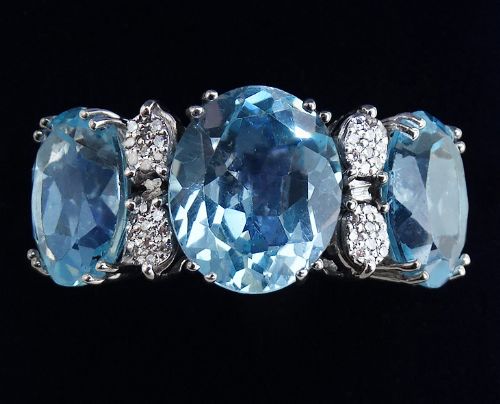
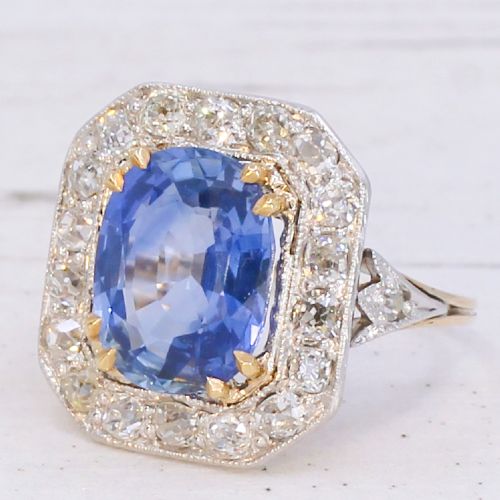
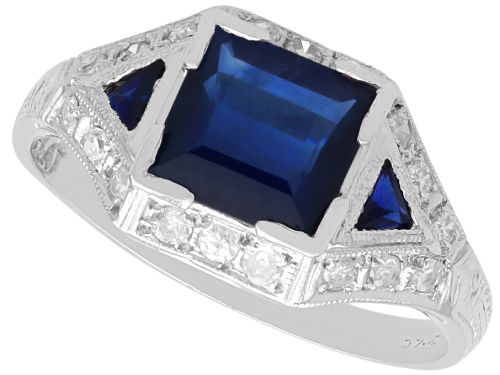
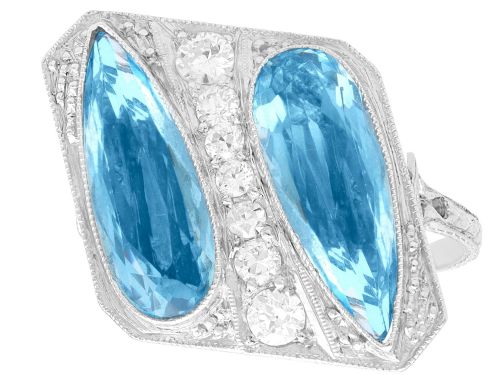
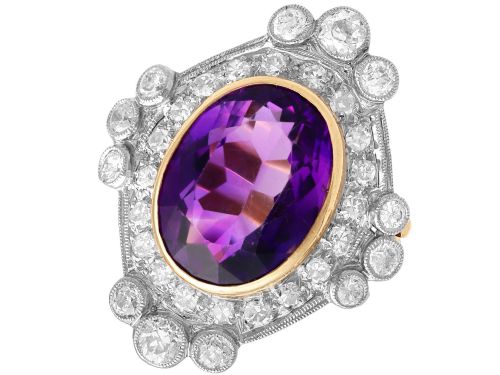
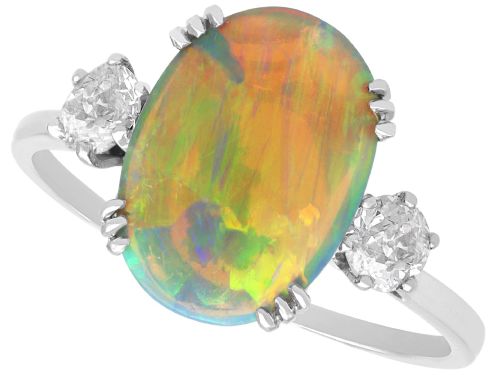
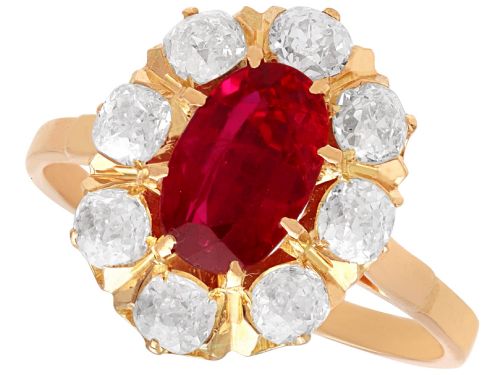
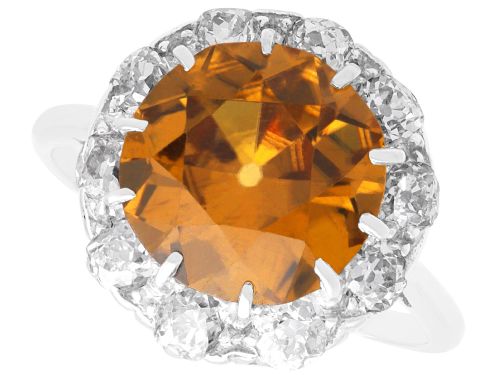
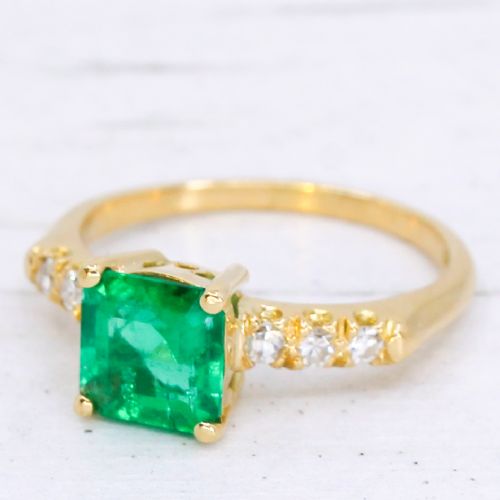
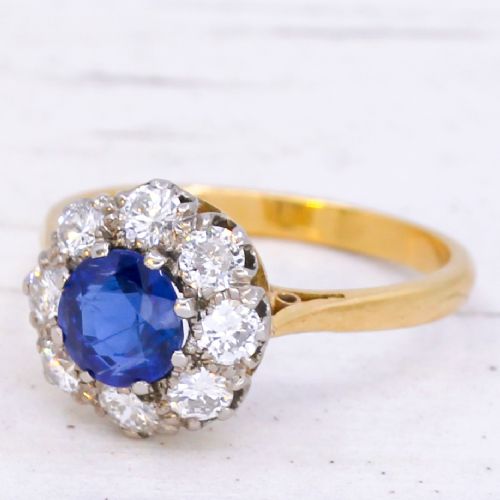
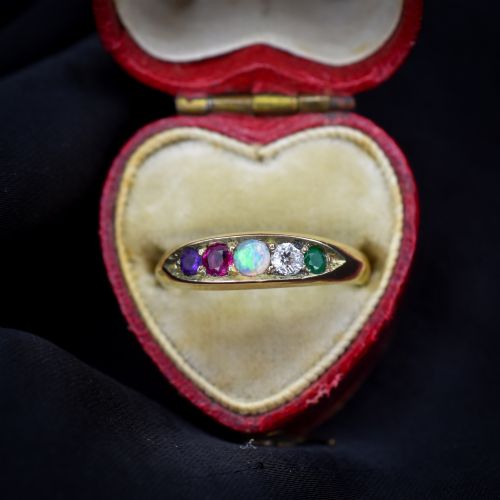
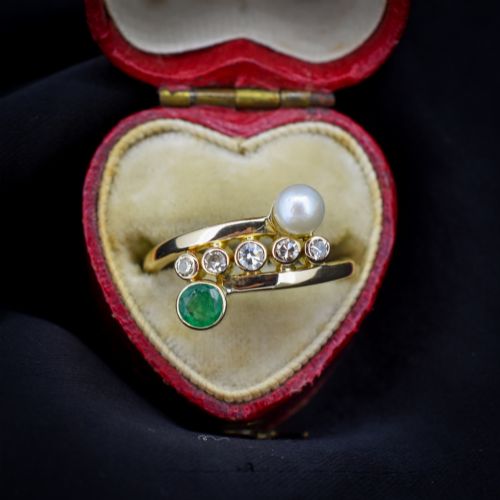
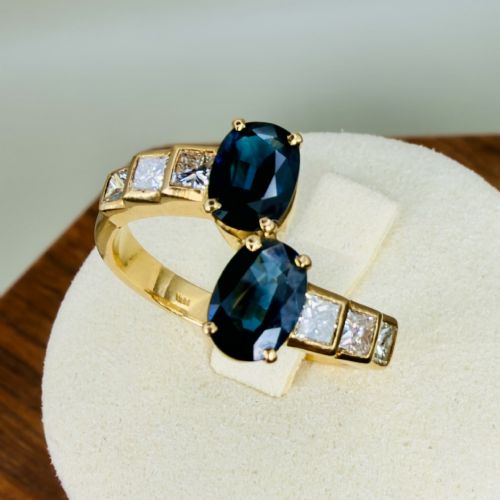
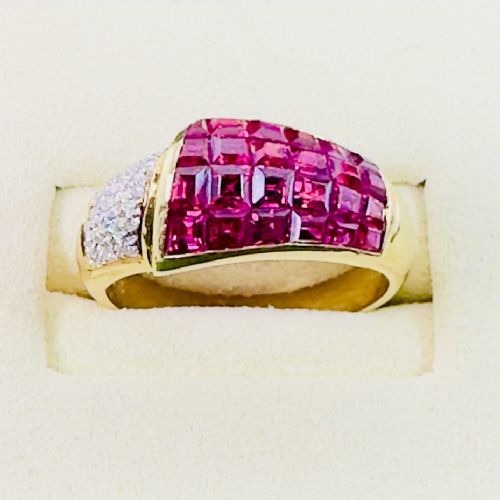
A diamond gemstone ring brings together central coloured stones such as sapphire, ruby, emerald, opal, and amethyst paired with diamond accents across periods from the Victorian era through the mid-century. You will frequently encounter cluster configurations, alongside boat rings, multi-stone settings, and twist designs from the Edwardian and Art Deco decades.
The selection ranges from late nineteenth-century yellow gold pieces to platinum settings of the 1920s and 1930s, encompassing both cocktail rings and daily dress rings. These items reflect stylistic shifts from ornate Victorian cluster work to the geometric precision of the Art Deco period and the bolder forms of the 1950s and 1960s.
Materials and Construction Techniques
Metals such as 18ct yellow gold, rose gold, white gold, and platinum provide the structural foundation for these pieces, often paired with specific hallmarks denoting origins like Chester or Birmingham. Stones are secured through claw settings, bezels, and flush mountings designed to highlight the brilliance of both the central gem and the surrounding diamonds.
Craftsmen utilised varied cutting techniques, including old cut diamonds, princess cuts, and baguette cuts, combining them with calibrated or substantial centre gemstones such as aquamarines, tourmalines, and zircons. The integration of twisted shanks, tiara motifs, and multi-cluster arrangements demonstrates the technical versatility of period workshops.
Materials recorded on this page include platinum, 18ct yellow gold, white gold, rose gold, and 15ct gold alongside numerous gemstone varieties.
Markers of Distinction and Finish
The distinction between standard examples and finer pieces lies in the integration of the central gemstone's saturation and clarity with the matching weight and cut of the diamond work. Unheated or untreated rubies and sapphires from specific origins like Ceylon, Burma, or Colombia elevate a piece significantly compared to standard commercial stones.
Proportion and structural preservation also define the upper tier, where settings maintain their original integrity without thinning claws or replaced shanks. The precision of hand-cut facets in old cut diamonds and the weight of the gold or platinum chassis determine the enduring character of the work.
The Diamond Gemstone Ring Glossary
- Cluster ring
- A ring design featuring a prominent central gemstone encircled by a border of smaller diamonds or secondary gems. This arrangement maximises visual presence and light reflection.
- Boat ring
- A ring style featuring a horizontally curved setting resembling the hull of a boat, typically housing a row of graduated gemstones. It sits low to the finger and was favoured in the Victorian and Edwardian eras.
- Old cut diamond
- A hand-faceted diamond cut predominantly before the mid-twentieth century, characterised by a smaller table, higher crown, and open culet. These stones exhibit a distinct, softer sparkle under candlelight.
- Gypsy ring
- A ring style where stones are flush-set directly into the thick metal band, creating a smooth, continuous surface. They appear frequently in nineteenth-century designs for both men and women.
- Bypass ring
- A ring where the two ends of the shank cross over each other around the finger, often terminating in opposing gemstones or motifs in a twist formation.
Diamond Gemstone Ring: Frequently Asked Questions
How do I care for antique gemstone rings?
These pieces require gentle handling, particularly when they incorporate softer stones like opals or pearls which are sensitive to moisture and chemicals. Professional inspection of the settings ensures that claws holding the diamonds and central gems remain secure.
Removal during manual tasks prevents unnecessary wear to the gold or platinum shanks. Gentle cleaning with warm soapy water and a soft brush maintains the brilliance of the stones without damaging the antique metalwork.
Can I wear these rings every day?
Daily wear is possible for sturdier configurations such as platinum cluster rings and heavy 18ct gold settings from the mid-century or Art Deco periods. Consideration must be given to softer gemstones like opals or pearls, which demand more careful use.
Checking the prongs regularly with a jeweller prevents the loss of old cut diamonds or coloured gems. Selecting robust shank designs ensures the ring withstands the friction of daily routines.
What defines an Art Deco ring?
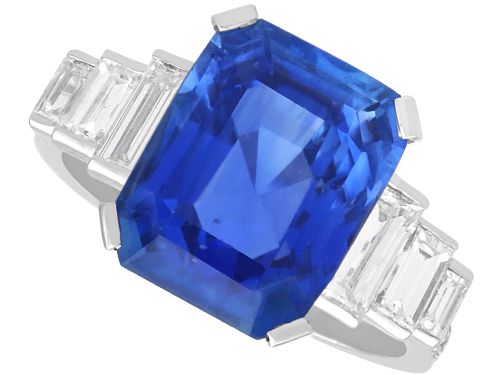
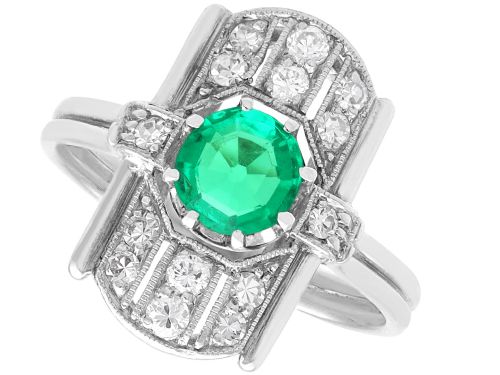
Art Deco rings utilise platinum and white gold to create geometric symmetry, sharp lines, and strong contrasts between diamonds and vibrant rubies, emeralds or sapphires. The style emerged following the First World War and moved away from organic Edwardian curves.
Baguette and princess cut stones frequently feature in these layouts, emphasising architectural forms and precise stone alignment. The overall aesthetic prioritises stark metallic contrast and structured elegance.
How can I tell the period of a ring?
Dating relies on a combination of gemstone cuts, metal choices, hallmarks, and structural motifs inherent to specific decades. Victorian pieces often use yellow gold with starburst or multi-stone boat layouts, while Edwardian examples favour delicate platinum-topped work.
Later mid-century items display heavier gold weights and bolder gemstone carat sizes. Hallmarks stamped inside the band provide definitive clues to the assay office and year of creation.