
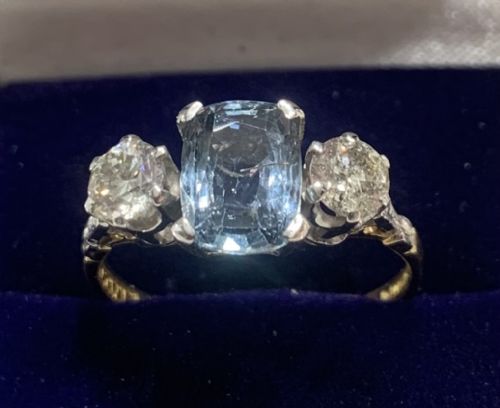
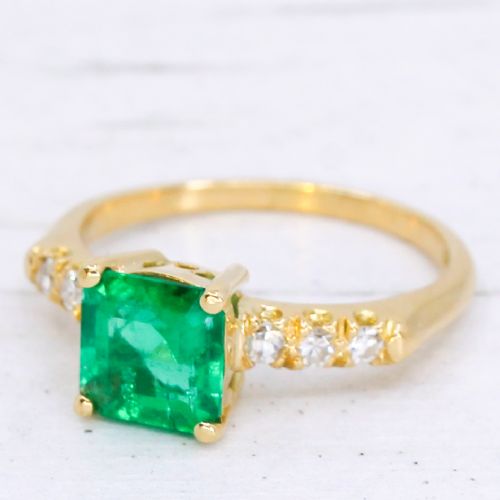
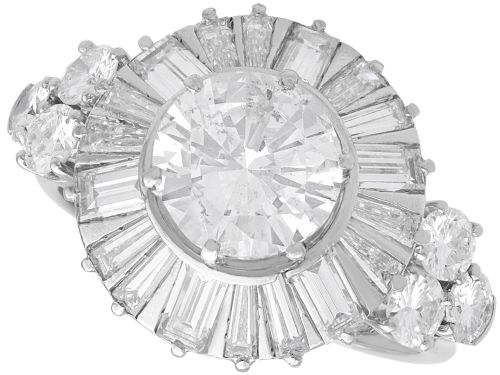
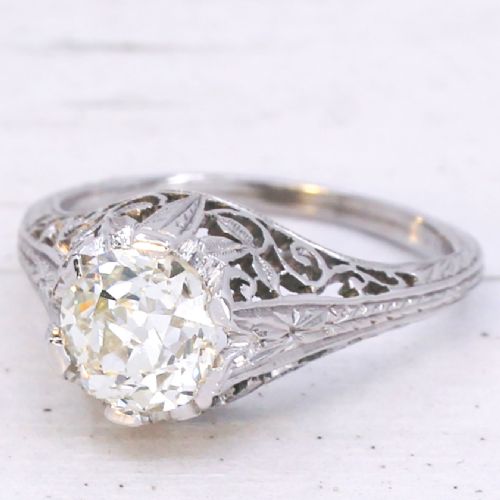
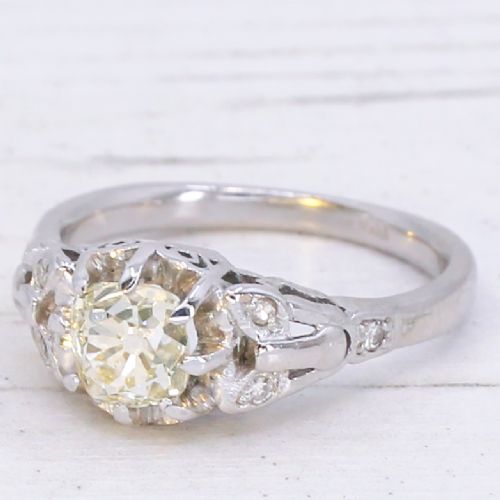
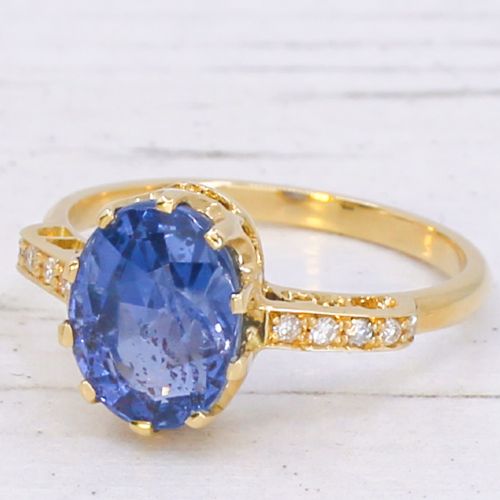
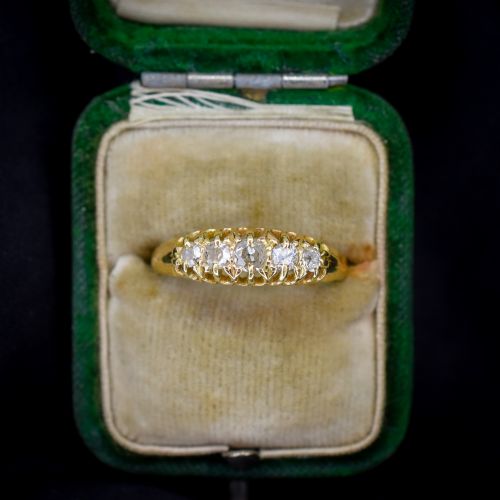
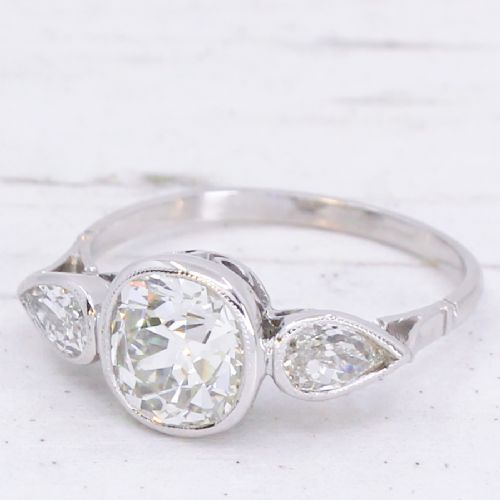
Diamond Cut Band
When you handle a diamond cut band, you hold a piece of history formed from precious metals and enduring stones.
Diamond Cut Band
A diamond cut band brings together precious metals and sparkling gems in a ring format designed for continuous wear. These pieces span from the late nineteenth century through the Edwardian and Art Deco eras into the mid-twentieth century.
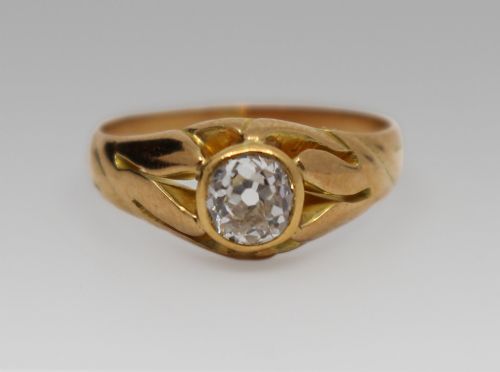
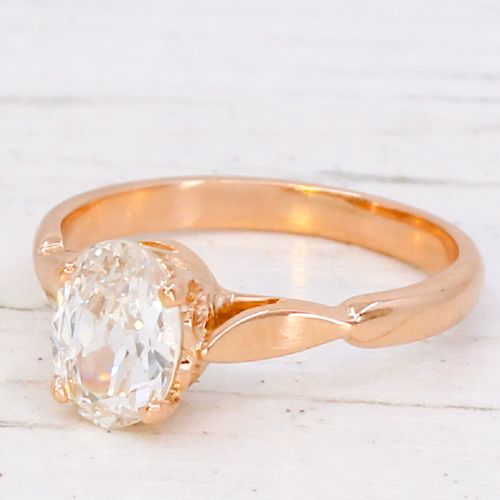
Victorian and Edwardian examples sit alongside later mid-century creations, offering varied profiles from slender hoops to wider statement bands. Old cut diamonds frequently define the early periods, while brilliant cuts appear more often in later decades.
Materials and Craftsmanship
Goldsmiths utilised yellow, rose, and white gold alongside platinum to fabricate the bands, frequently combining metals for visual contrast or structural strength. Platinum gained favour in Edwardian and Art Deco workshops for its ability to hold intricate piercing and secure delicate stone settings.
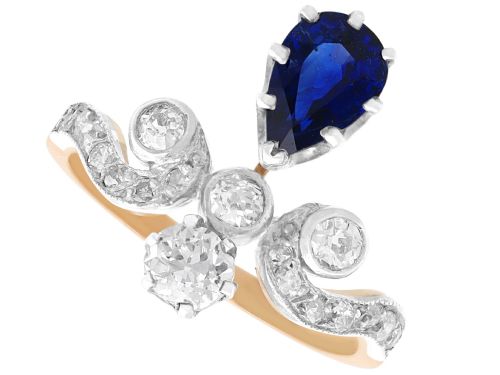
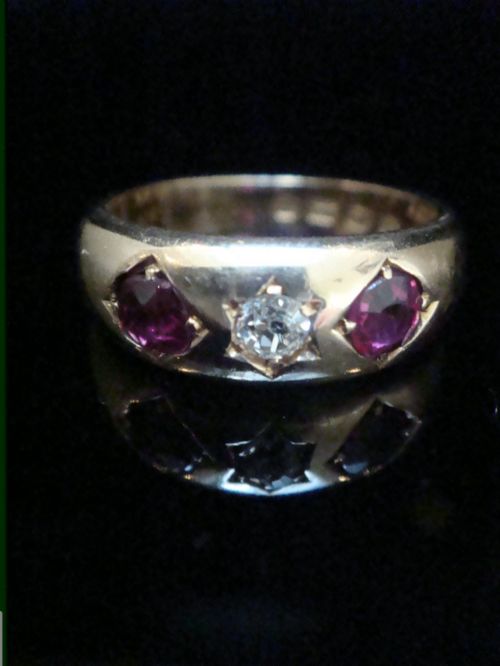
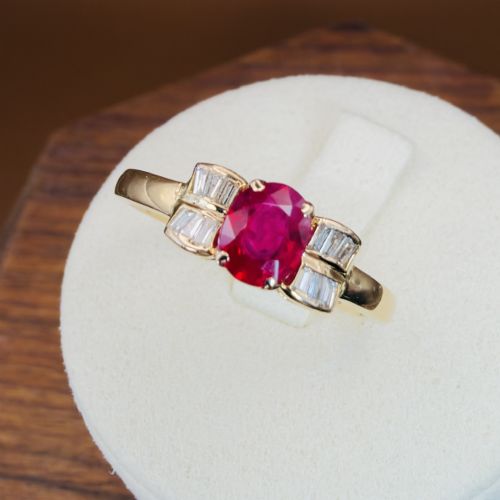
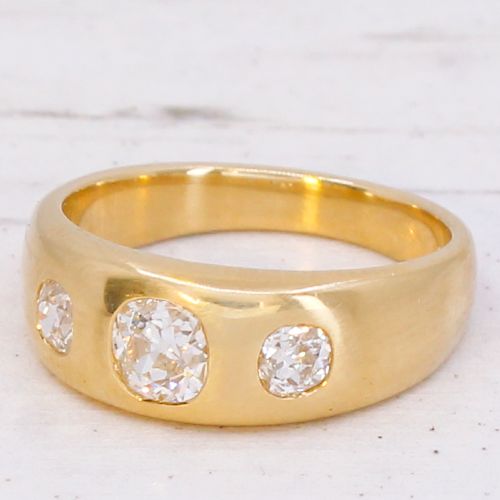
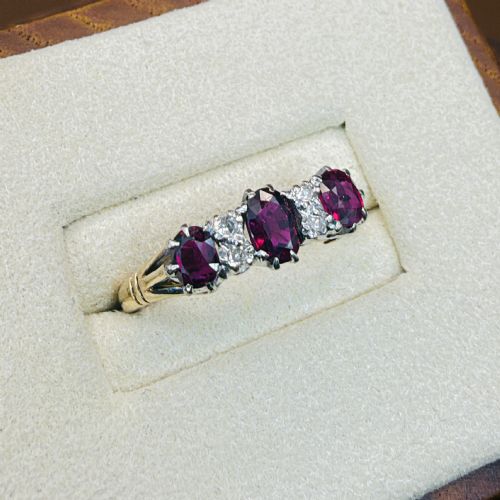
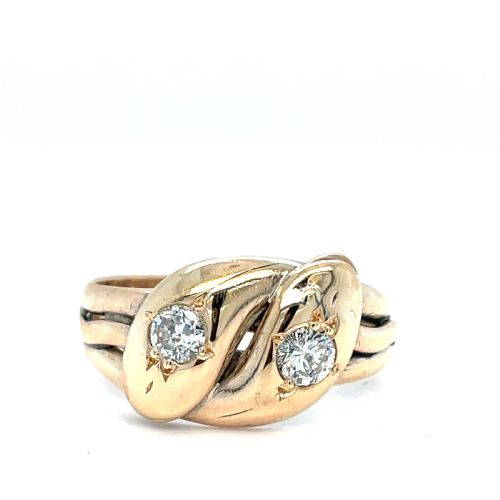
Diamonds shaped by hand, such as old mine cuts, old European cuts, and rose cuts, reflect the candlelit or gaslit environments in which they were first polished. Gemstones including rubies, sapphires, emeralds, and pearls are secured using claw settings, star settings, or flush gypsy mountings.
The listings span multiple eras from the late nineteenth century through to the mid-twentieth century, featuring platinum, gold, diamonds, rubies, and sapphires.
Assessing Quality and Execution
The skill of the original bench worker dictates the structural integrity of the piece, visible in the precision of the stone setting and the symmetry of the metalwork. Secure bezels and evenly spaced prongs show proper attention to longevity in everyday wear.
Gemstone selection divides the standard production from exceptional examples, with clarity, natural colour distribution, and well-matched stone sizes determining the visual harmony of multi-stone bands and cluster designs.
The Diamond Cut Band Glossary
- Old cut diamond
- A diamond shape hand-polished before the standardisation of modern brilliant faceting, typically featuring a smaller table, higher crown, and open culet.
- Gypsy setting
- A mounting style where the gemstone is flush-set directly into the thick metal band, creating a smooth exterior surface.
- Toi and Moi
- A ring design featuring two main gemstones placed side by side, translating from French to you and me.
- Trilogy ring
- A finger ring set with three stones, often interpreted symbolically to represent the past, present, and future.
- Star setting
- An engraving technique where star-like rays are cut into the metal surrounding a flush-set diamond to enhance its apparent size and sparkle.
Diamond Cut Band: Frequently Asked Questions
How do I care for an antique band?
Clean these rings gently using warm soapy water and a soft brush, avoiding harsh chemical dips that can damage softer coloured stones or pearls.
Store them individually in fabric-lined boxes to prevent the metal and diamonds from scratching other jewellery items.
Can these rings be resized easily?
Many of these bands can be adjusted by a skilled jeweller, though heavily engraved or stone-set eternity designs require specialised handling.
Consult a professional who understands antique construction methods before attempting any alteration to the band.
How do I date a gold band?
Dating relies on stylistic clues such as the cut of the diamonds, the choice of metal combinations like gold and platinum, and overall manufacturing techniques.
Art Deco pieces show geometric precision, while Victorian and Edwardian examples often feature organic motifs and softer stone facets.