



Desktop Stationery
Desktop stationery pieces bring order and purpose to the writing table through boxes, cabinets, and slopes designed for letters and documents.
Desktop Stationery
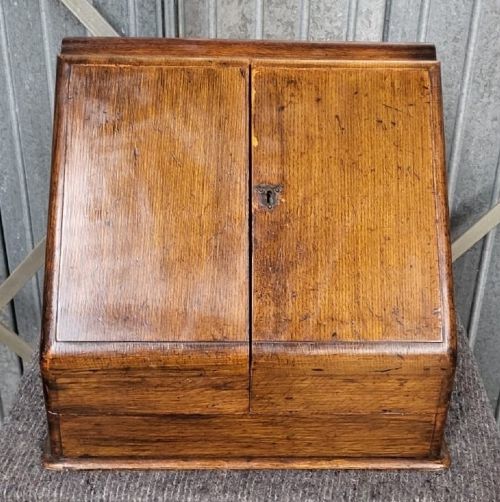
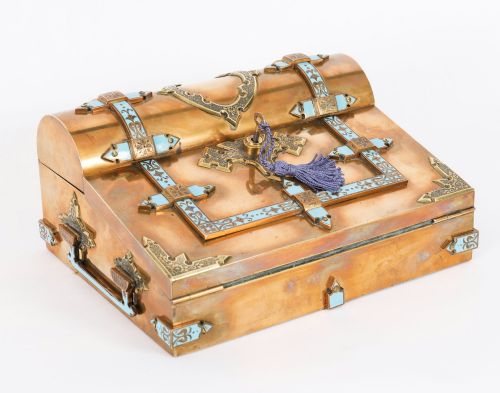
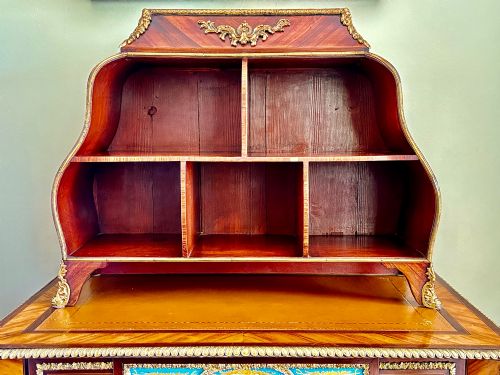
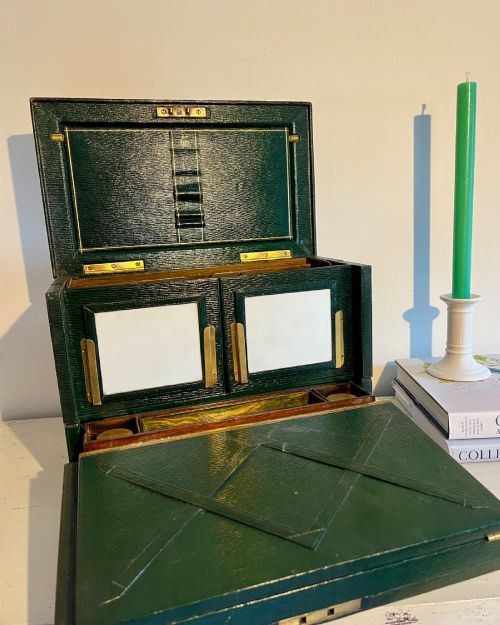
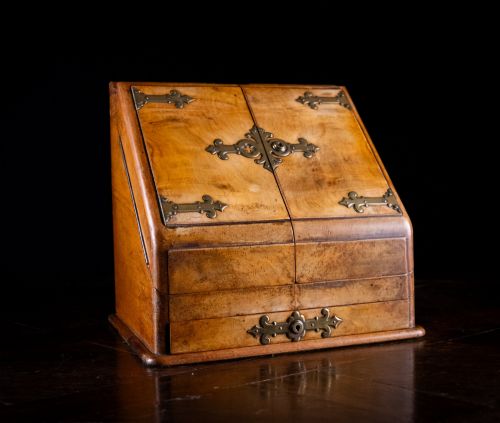
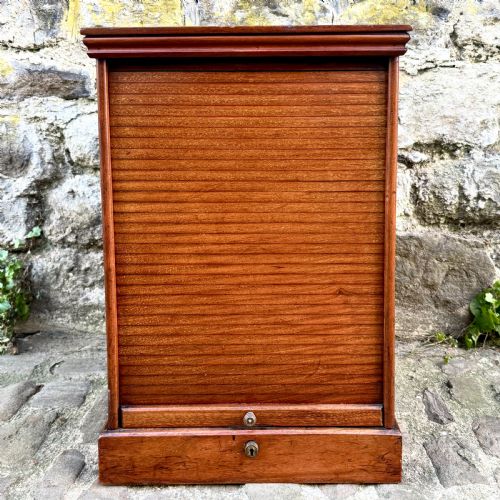
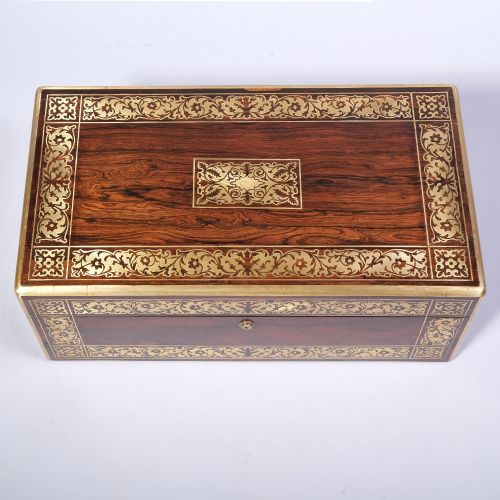
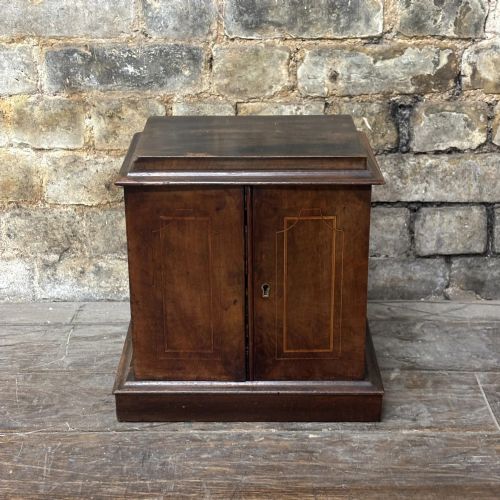
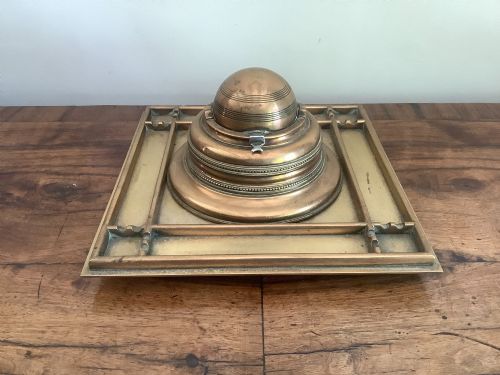
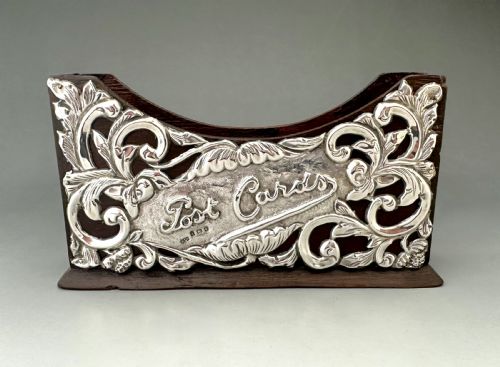
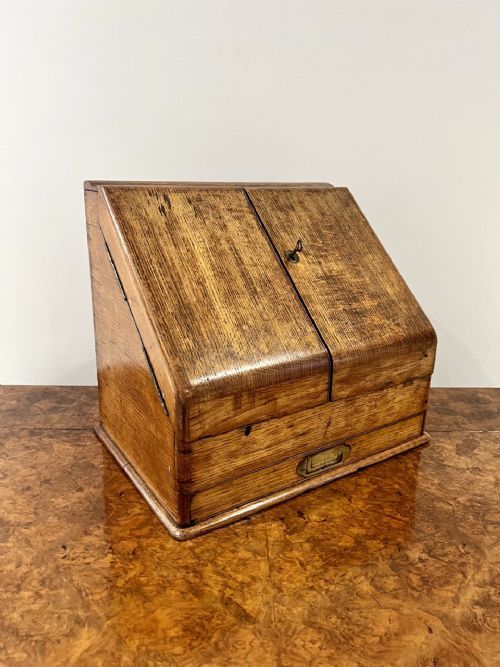
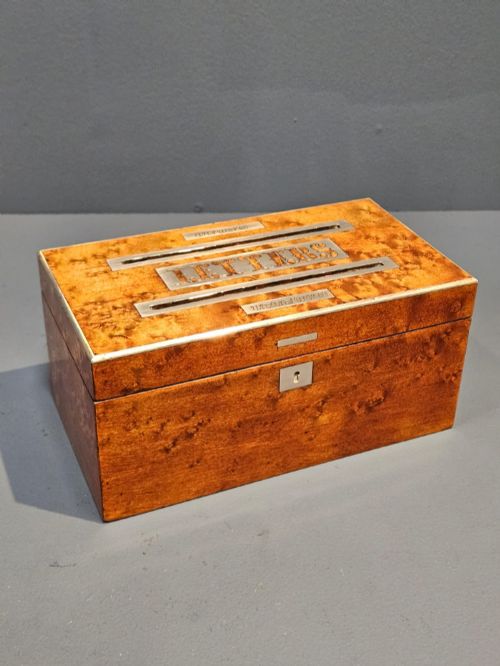
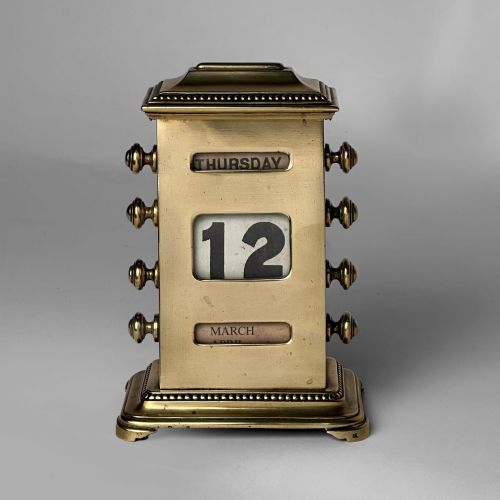
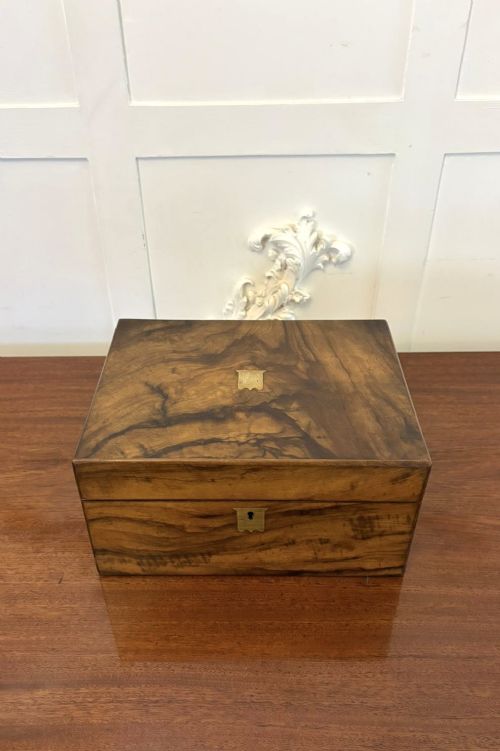
Desktop stationery encompasses a range of functional objects designed to organise letters, paper, and writing implements on a desk or table. The pieces most commonly met on this page include stationery boxes, cabinets, writing slopes, and letter racks dating from the eighteenth century through to the Edwardian era.
Victorian and Edwardian versions form the bulk of the selection, appearing in robust timbers such as oak, walnut, and mahogany alongside more decorative materials like brass and ormolu. Form follows function closely, with compartments sized specifically for correspondence, envelopes, and inkwells.
Materials and construction
Cabinet makers and metalworkers utilised a mix of solid hardwoods, decorative veneers, and cast metals to build these pieces. Oak, mahogany, walnut, and rosewood provide the structural carcase, frequently enhanced with brass bindings, inlays, or carved bone details.
Surface decoration ranges from tooled leather and papier-mâché to Tunbridge ware mosaics and ormolu mounts. Interiors often include fitted compartments, secret drawers, and velvet or silk linings tailored for delicate writing tools.
Desktop Stationery Retail Price Guide 2026
Typical asking prices for desktop stationery among the pieces listed under this phrase on Sellingantiques today, from the lower quarter to the upper quarter. They describe what is for sale here now, not the wider market.
Materials recorded across the selection include brass, oak, mahogany, glass, walnut, metal, leather, and bone.
Evaluating the pieces
Quality reveals itself in the selection of timber, the precision of the joinery, and the integrity of the fitted interior. Finer examples display carefully matched wood grains, tight dovetail joints, and robust brass hardware that has aged naturally.
The degree of hand craftsmanship distinguishes standard desk tidies from exceptional bespoke commissions. Details such as intricate pokerwork, specialised locking mechanisms, and intact original mounts elevate a piece above everyday utility.
William Tonks of Birmingham
The Desktop Stationery Glossary
- Writing slope
- A portable desk with a slanted lid that opens to reveal a velvet-lined writing surface and compartments for stationery. These pieces fold shut for storage or travel.
- Stationery cabinet
- An upright tabletop cabinet with doors or a fall-front designed to hold letter paper, envelopes, and documents in vertical pigeonholes. They became especially popular during the Victorian period.
- Ormolu
- Gilt bronze mounted onto furniture or desk accessories as a decorative trim. The technique involves applying a gold amalgam to bronze before firing.
- Tunbridge ware
- A form of decorative woodworking originating in Kent involving small mosaic tiles built from coloured woods to create geometric or pictorial scenes. These panels decorate the surfaces of small boxes and desk accessories.
Desktop Stationery: Frequently Asked Questions
What is a stationery box?
A stationery box is a tabletop container designed to hold writing paper, envelopes, and correspondence neatly in one place.
These pieces typically feature hinged lids or doors opening to reveal tiered compartments tailored for standard nineteenth-century letter sizes.
How were writing slopes used?
Writing slopes served as portable writing desks that could be placed upon a table or carried during travel. Opening the hinged halves provided a sloping, lined writing surface alongside inkwells and pen trays.
Secret drawers were often incorporated beneath the stationery compartments to secure private papers and valuables.
What woods are common?
Oak, walnut, and mahogany form the structural foundation for the majority of these desk accessories. Cabinet makers utilised these durable hardwoods both as solid timber and as stable bases for decorative veneers.
More elaborate examples incorporate rosewood, satinwood, and coromandel, occasionally highlighted with brass inlay or bone details.
How do I date a piece?
Dating relies upon observing the combination of timber selection, construction techniques, and stylistic revival influences. Victorian pieces often display robust brass mounts or Gothic revival motifs, while Edwardian versions lean towards simpler oak or Arts and Crafts designs.
Hardware styles, lock mechanisms, and interior linings also provide clear indicators of the manufacturing period.