




Desktop Specimen Chest
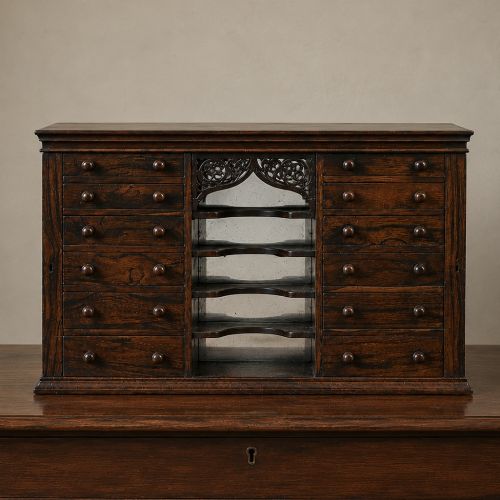
A desktop specimen chest is a compact storage cabinet designed for orderly collections, offering tabletop utility and period craftsmanship.
Desktop Specimen Chest
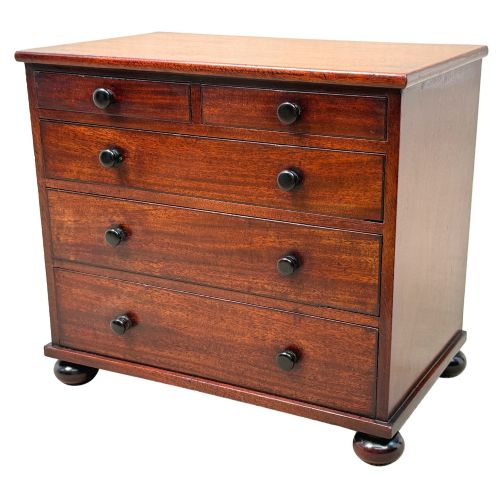
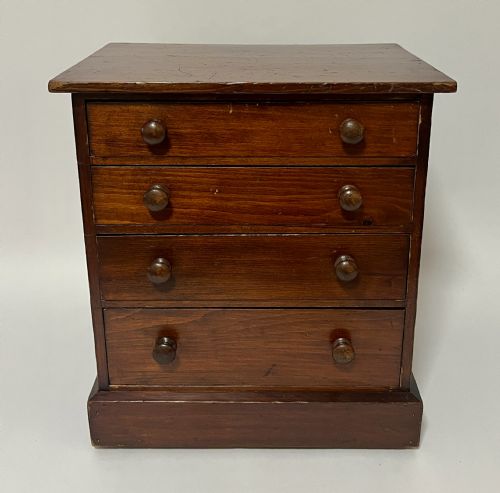
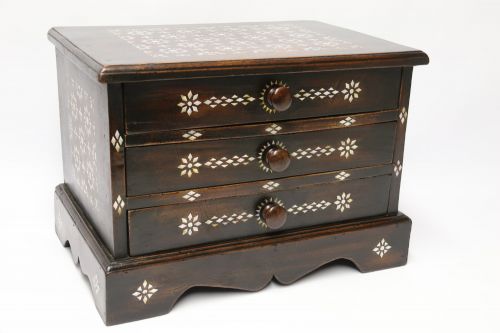
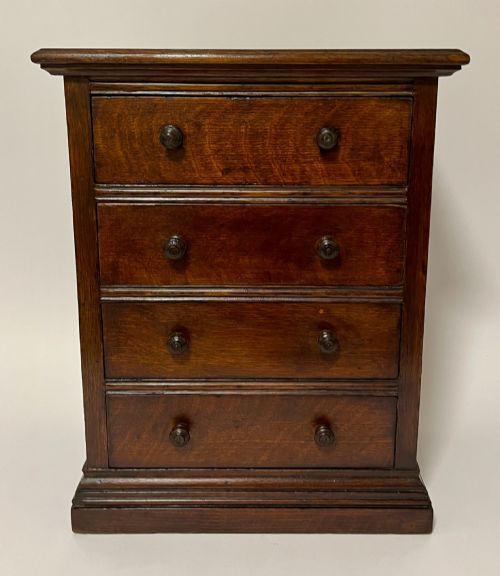
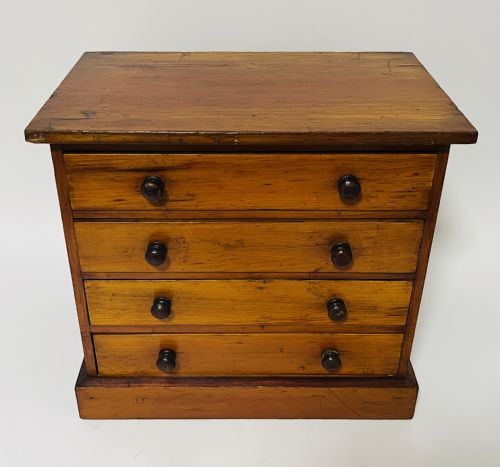
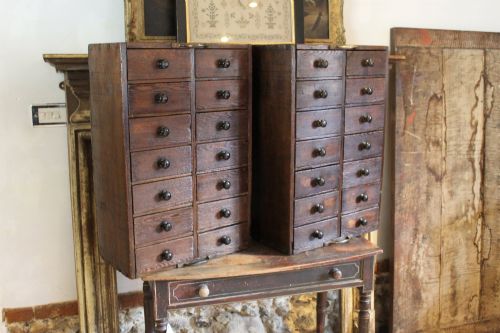
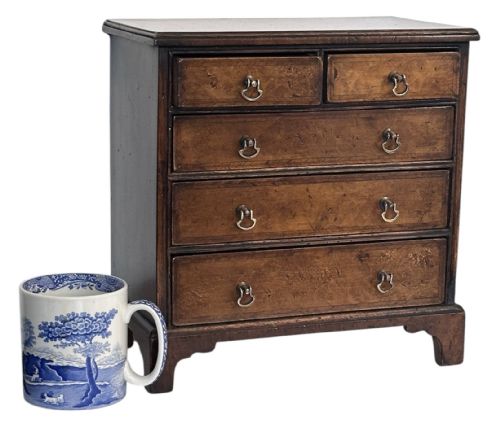
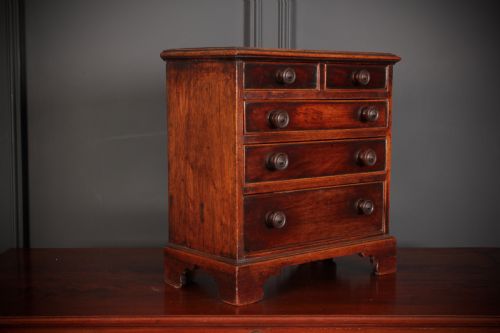
A desktop specimen chest is a miniature case or cabinet built to hold small collections, ranging from botanical samples to jewellery and coins. When you search for a desktop specimen chest, you encounter pieces designed to sit on a table, bureau, or desk.
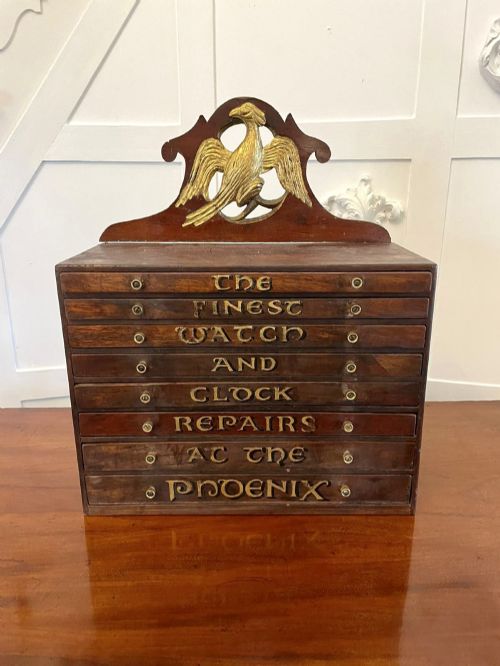
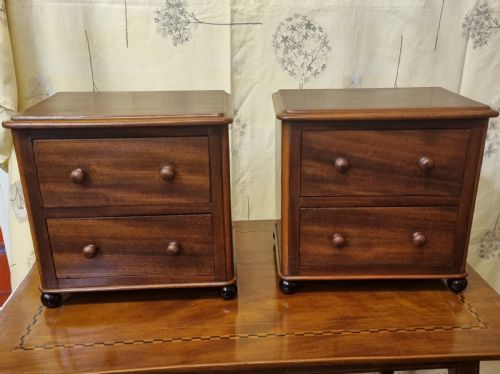
Most examples found on this page date from the Victorian period through to the early twentieth century, spanning decades such as eighteen eighty, nineteen hundred, and nineteen twenty. These pieces appear in forms including miniature chests of drawers, collectors cabinets, and table-top storage cases.
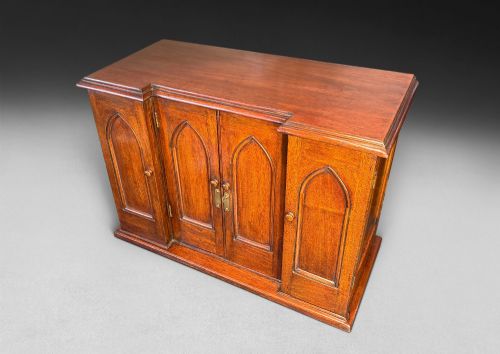
Makers produced these chests in various styles such as Georgian, Regency, Gothic Revival, Arts and Crafts, and Edwardian Utilitarian. They serve practical display and storage purposes while taking up minimal space in a room.
Materials and construction
Cabinet makers utilised dense hardwoods such as mahogany, walnut, oak, and rosewood, alongside softer woods like pine, deal, and stained wood. These timbers provided the structural stability required for housing numerous small drawers and compartments.
Makers incorporated brass handles, escutcheons, and hinges to secure and operate the doors and drawers. Glass panels also appear on specific display cabinets to allow viewing of the contents without opening the case.
Desktop Specimen Chest Retail Price Guide 2026
Typical asking prices for desktop specimen chest among the pieces listed under this phrase on Sellingantiques today, from the lower quarter to the upper quarter. They describe what is for sale here now, not the wider market.
A florist's seed chest sits ready for botanical organisation.
Assessing quality
Quality in these chests rests upon the choice of timber and the precision of the drawer construction. Finer examples display figured veneers, satinwood banding, and tight joinery that ensures smooth operation of every drawer.
The presence of original brass hardware, working locks with keys, and mirrored interiors or specialised fittings elevates the standing of a piece. Simpler pine or stained deal utilitarian chests offer utility with less decorative refinement.
The Desktop Specimen Chest Glossary
- Desktop specimen chest
- A compact tabletop cabinet or miniature set of drawers made for holding small objects, samples, or personal valuables.
- Wellington chest
- A tall, narrow chest of drawers secured by a hinged locking stile on one side that fastens with a key.
- Apprentice piece
- A miniature item of furniture made by a craftsman to demonstrate skill or mastery of a trade.
- Escutcheon
- A flat plate of brass or metal surrounding a keyhole to protect the surrounding wood from wear.
Desktop Specimen Chest: Frequently Asked Questions
What did people store in a desktop specimen chest?
These chests originally held natural history specimens, seeds, watch parts, coins, or jewellery. Collectors used the shallow drawers to organise delicate or small items.
Today, owners utilise them for similar small collections, desktop organisation, or as decorative antique furniture pieces in a study or living room.
How do I date a specimen chest?
Dating relies on identifying the timber, construction methods, and stylistic cues such as Georgian bracket feet or Arts and Crafts ironwork. Examining the drawer linings and secondary woods provides further clues.
Many pieces carry dates from the nineteenth and early twentieth centuries, reflecting the period's enthusiasm for amateur collecting and taxonomy.
Where should I place a table top chest?
Place the chest on a sturdy desk, table, or sideboard where its proportions can be appreciated. Ensure it sits away from direct heat sources and strong sunlight to protect the wood and any delicate interior linings.
Because these pieces are portable, you can move them easily to suit your room layout while keeping contents secure within the drawers.
Are these chests suitable for daily use?
Most antique chests remain fully functional for storing lightweight items such as stationery, craft supplies, or small collections. The solid wood construction withstands gentle everyday handling when treated with care.
Avoid overloading the shallow drawers, and turn the keys gently if the locks remain operational to preserve the historical mechanism.