



Desktop Document Organiser
A desktop document organiser clears the paper chaos from a writing table with timber compartments and brass hardware.
Desktop Document Organiser
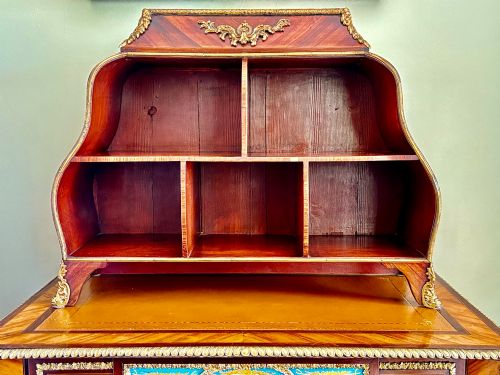
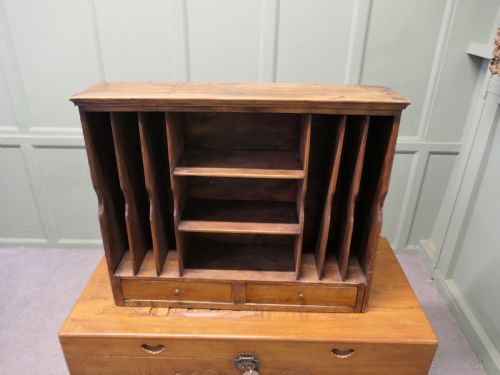
A desktop document organiser brings order to papers and correspondence through fitted compartments, shelves, and internal pigeon holes.
Most examples found here date from the nineteenth century, including the Victorian and George V eras, alongside Georgian pieces.
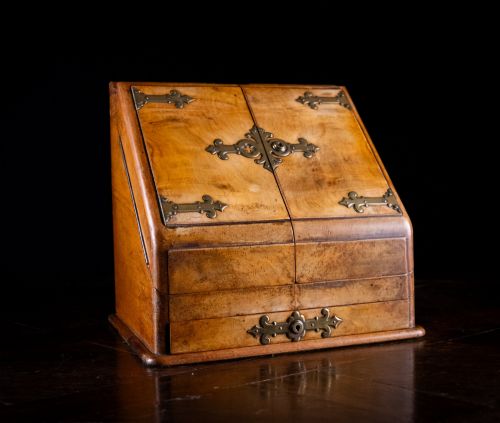
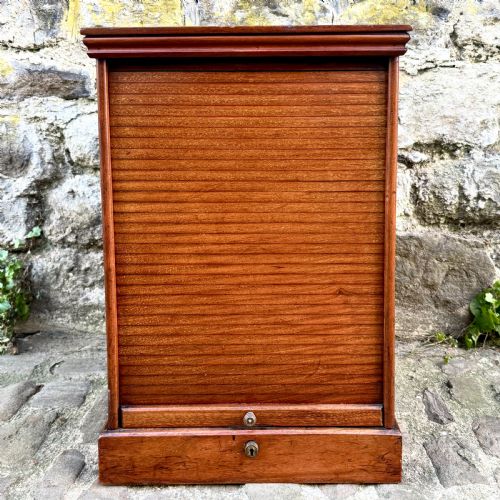
Forms vary from stationery boxes and correspondence chests to filing shelves, table-top cabinets, and bible boxes.
How they were made
Cabinet makers built these pieces using timbers such as mahogany, oak, walnut, rosewood, and pine, frequently selecting dense hardwoods for durability.
Metal components like brass hardware and iron fittings provided structural reinforcement and secure closures for doors and lids.
Desktop Document Organiser Retail Price Guide 2026
Typical asking prices for desktop document organiser among the pieces listed under this phrase on Sellingantiques today, from the lower quarter to the upper quarter. They describe what is for sale here now, not the wider market.
Mahogany, oak, walnut, and rosewood dominate the timber selections across these nineteenth-century and Georgian pieces.
What varies in quality
Differentiation lies in the selection of timbers, particularly where figured grain or inlay work elevates the visual presence of a cabinet.
Interior complexity dictates standing, with secret drawers and fitted pigeon holes reflecting greater labour than plain shelving.
Amberg
The Desktop Document Organiser Glossary
- Pigeon holes
- Internal compartments stacked to sort letters and documents. These open slots keep active correspondence within reach.
- Stationery box
- A tabletop cabinet designed to hold writing paper and envelopes. They often feature sloping or fold-down fronts.
- Bible box
- A sloping-lidded wooden box originally used for sacred texts. Many later served general writing and document storage roles.
- Correspondence chest
- A multi-drawer or shelved cabinet for sorting letters. These units sit directly upon a writing surface.
Desktop Document Organiser: Frequently Asked Questions
What is a desktop document organiser?
It is a wooden tabletop accessory designed to hold papers, letters, and writing materials in dedicated compartments.
These pieces range from open pigeon holes to enclosed stationery boxes with locking doors.
How were stationery boxes used?
They sat upon a writing desk to keep notepaper, envelopes, and stamps organised and clean.
Owners opened the front or lid to access specific slots for daily correspondence.
How do I date a wooden desk box?
Dating relies on timber selection, construction methods, and hardware styles associated with nineteenth-century or Georgian periods.
Secret drawers and brass mounts often reflect the prevailing craftsmanship of their decade.
Where should I place a desk tidy?
These pieces fit naturally on top of writing desks, sideboards, or large tables where paperwork accumulates.
Their compact footprints allow them to organise documents without dominating the room.