



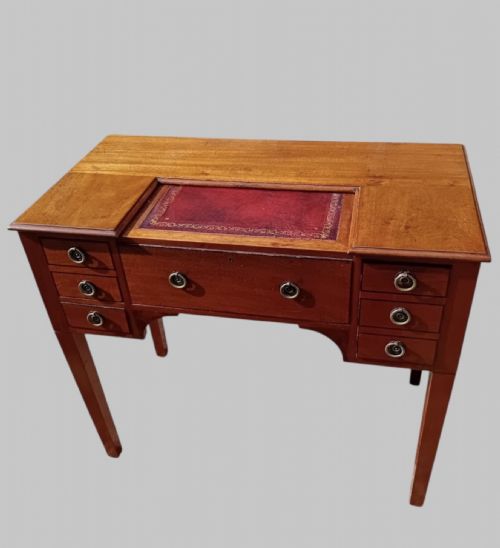


Desk with Writing Slides
A desk with writing slides is a timber writing piece offering extendable ledges, prized for expanding surface area without increasing a room's footprint.
Desk with Writing Slides
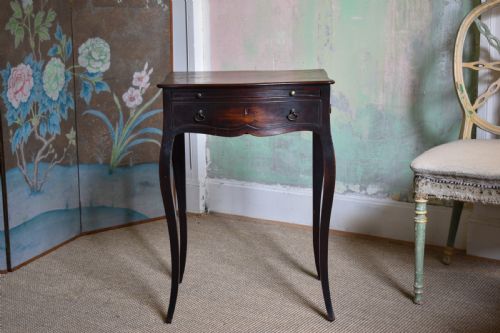
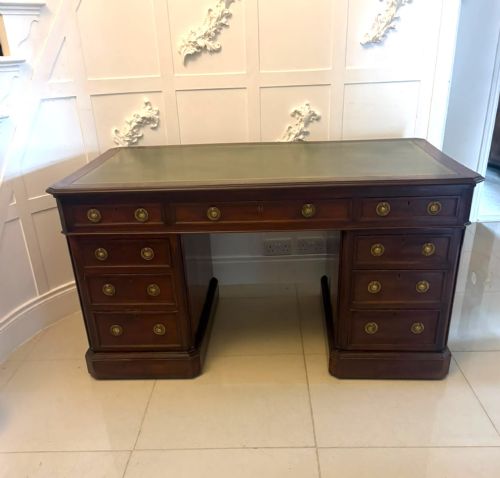
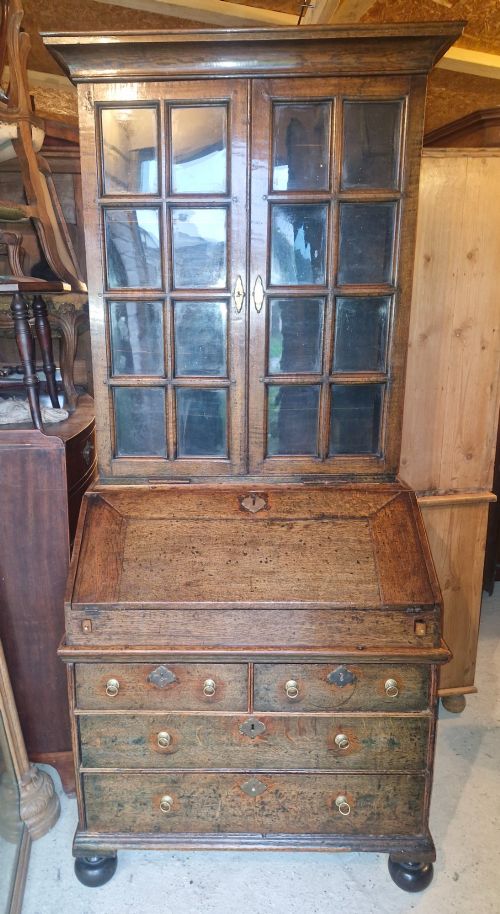
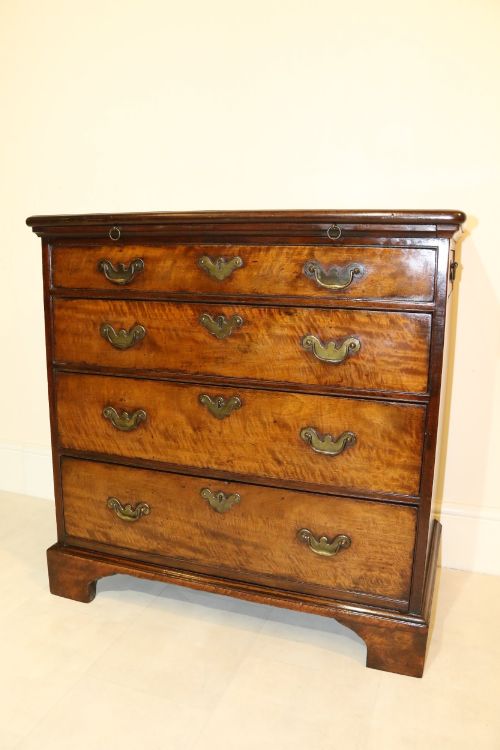
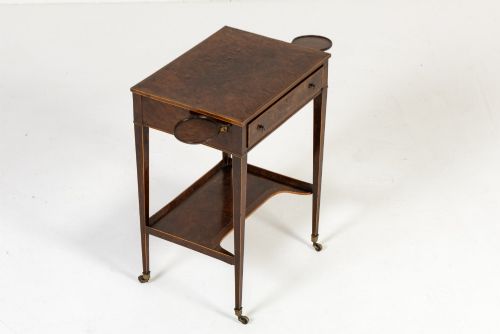
A desk with writing slides encompasses forms from compact bachelors chests to large pedestal kneehole desks and Davenport tables. These items originate predominantly from the Georgian, Regency, and Victorian eras, alongside early twentieth-century examples.
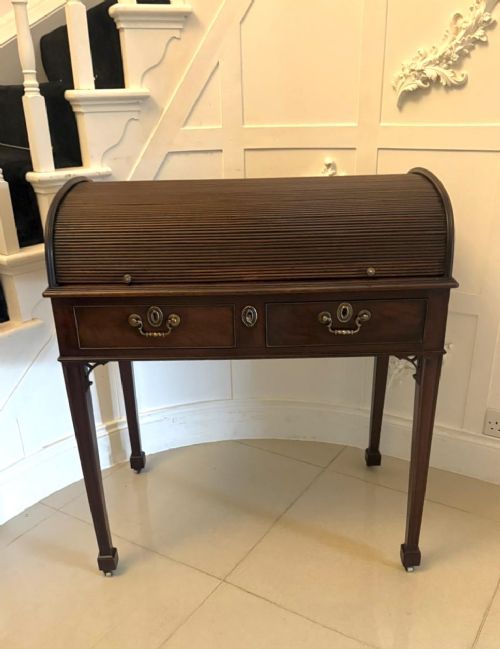
Buyers encounter mahogany most frequently, supplemented by rosewood, walnut, and oak. Forms range from simple drawer chests with pull-out boards to elaborate tambour top cylinder desks and occasional tables.
How they were made
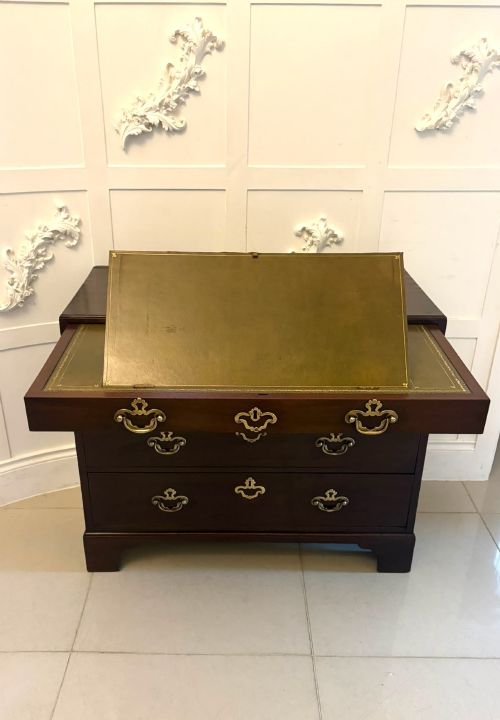
Cabinet makers utilised dense hardwoods like mahogany and rosewood for structural integrity and refined finishes. Surfaces frequently incorporate secondary materials such as leather or baize inserts on the working areas.
Drawer construction often integrates fitted stationery compartments and brass hardware. Mechanisms rely on smooth sliding tracks built into chests of drawers, commodes, and writing tables.
Desk with Writing Slides Retail Price Guide 2026
Typical asking prices for desk with writing slides among the pieces listed under this phrase on Sellingantiques today, from the lower quarter to the upper quarter. They describe what is for sale here now, not the wider market.
What varies in quality
The standard of timber selection and the precision of the sliding mechanisms dictate the tier of a desk with writing slides. Superior examples display carefully matched grain patterns across drawer fronts and smooth operation of the pull-out ledges.
Internal complexity also separates standard pieces from finer ones, particularly those featuring fitted stationery drawers, leather writing surfaces, or adjustable reading stands.
The Desk with Writing Slides Glossary
- Writing slide
- A pull-out shelf or ledge integrated into a desk or chest to provide additional surface area for writing without taking up permanent space. These boards slide smoothly on internal runners.
- Kneehole desk
- A freestanding desk featuring a central recess for the user's legs, flanked by pedestals of drawers. These often incorporate fitted stationery compartments.
- Bachelors chest
- A low chest of drawers equipped with a folding top or a pull-out writing slide. Originating in the eighteenth century, this compact form served multiple domestic functions.
- Tambour top
- A flexible desktop surface constructed from narrow strips of timber glued to canvas or leather backing. This allows the cover to slide back in a track to reveal the writing interior.
Desk with Writing Slides: Frequently Asked Questions
What is a writing slide?
A writing slide is a pull-out wooden board integrated into the framework of a chest or desk. It extends to provide temporary surface space for letters or paperwork.
When not in use, the slide pushes back flush into the furniture piece, maintaining a compact profile.
How do I date an old desk?
Dating relies on observing timber choices, hardware types, and construction styles. Pieces span periods from the eighteenth century through to the early twentieth century.
Characteristics such as mahogany framing, brass handles, and specific drawer configurations help identify the era of manufacture.
Where were these desks used?
These items were utilised primarily in private chambers, libraries, and parlours for personal correspondence and estate management. Compact forms suited smaller bedrooms and private sitting rooms.
Larger pedestal models occupied formal studies and offices.
How do I care for timber desks?
Timber surfaces require protection from direct sunlight and excessive moisture changes to prevent warping. Regular polishing maintains the finish of mahogany and rosewood.
Leather or baize inserts benefit from gentle dusting and careful avoidance of liquid spills.