



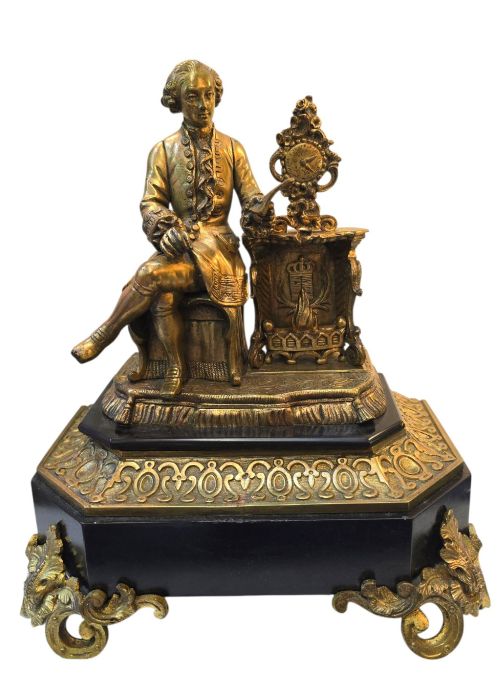
Desk Ornament Bronze Sculpture
A desk ornament bronze sculpture brings character and weight to a working space, combining fine metalwork with functional art.
Desk Ornament Bronze Sculpture
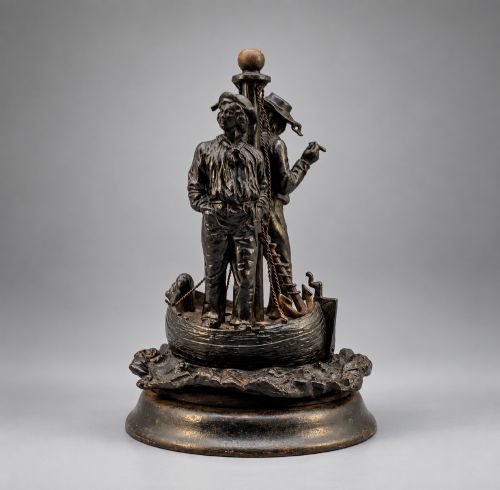
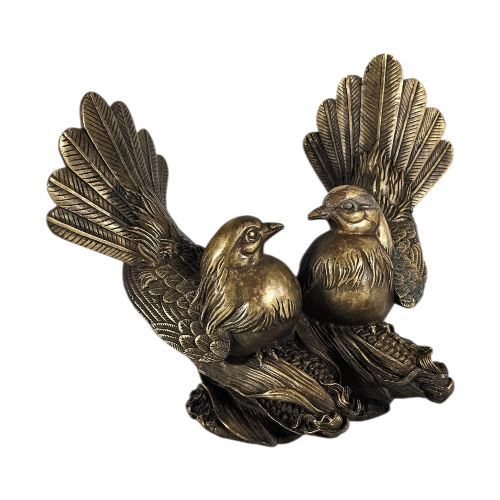
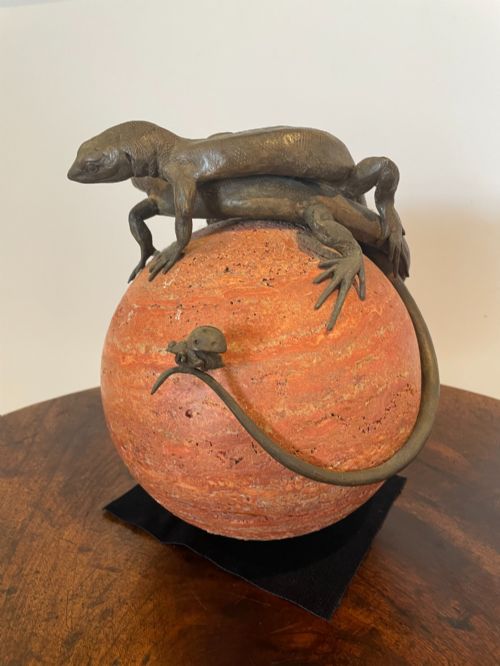
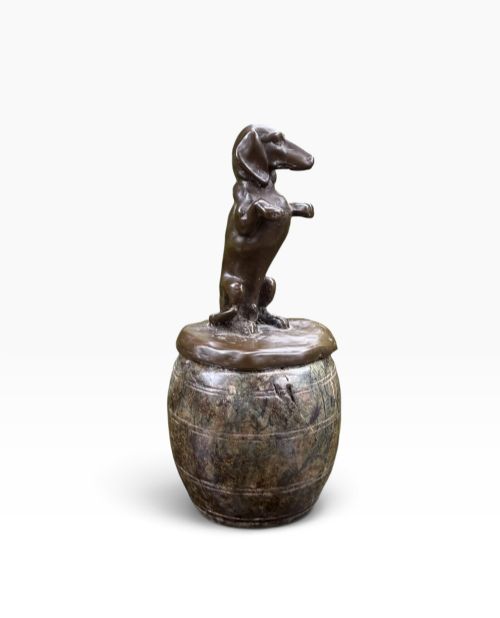
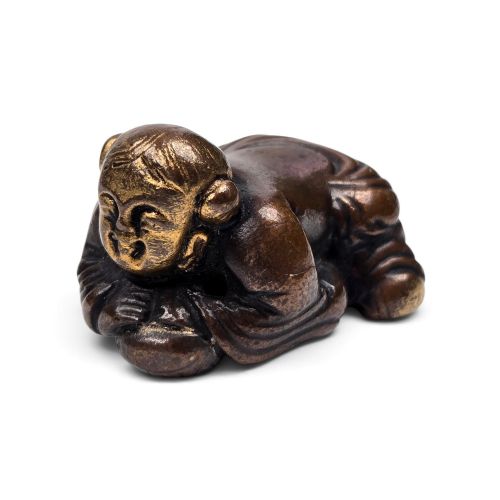
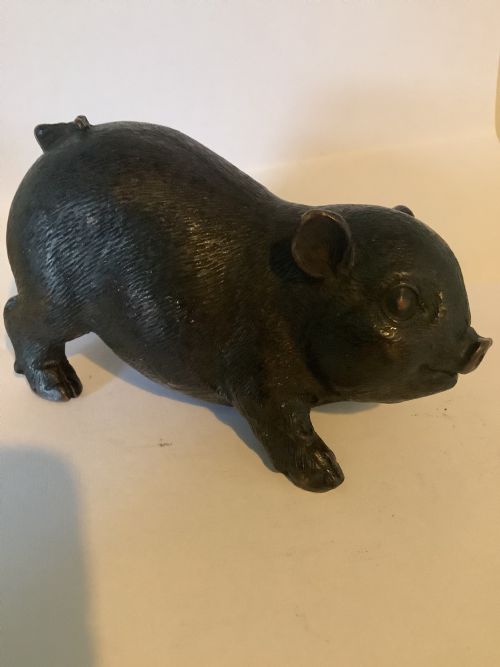
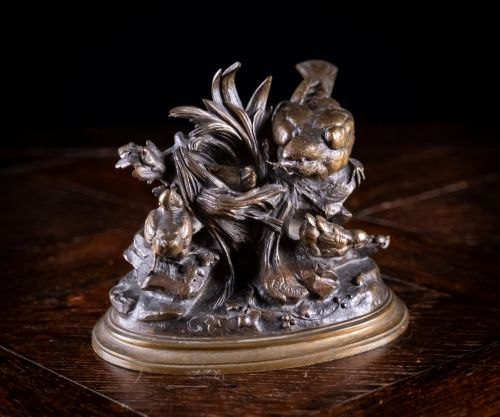
A desk ornament bronze sculpture represents small-scale metal casting designed to sit upon a writing table or shelf, incorporating functional objects such as inkwells and paperweights alongside standalone figures. These pieces range from classical historical portraits and mythological figures to naturalistic depictions of animals and birds.
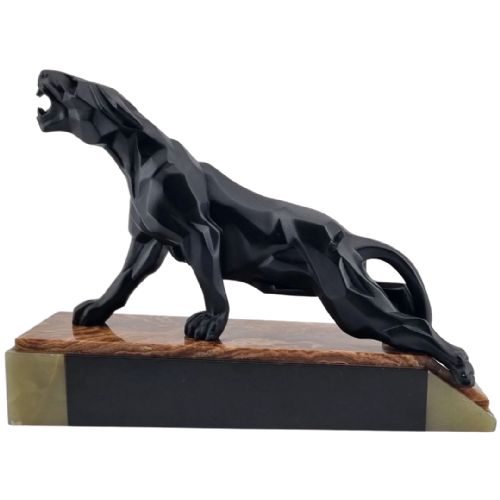
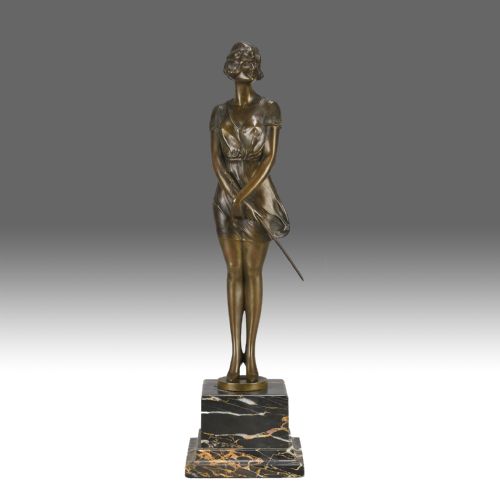
The selections encountered on this page frequently originate from the nineteenth and early twentieth centuries, spanning periods from the 1850s to the 1930s. Stylistic influences vary from Neoclassical Grand Tour souvenirs to Art Nouveau curves and Art Deco geometry.
Makers drew inspiration from daily life, literature, and the natural world, producing subjects as diverse as dogs, lions, literary figures, and dancers. Many incorporate integral bases or mounted plinths made from contrasting materials.
How they were made
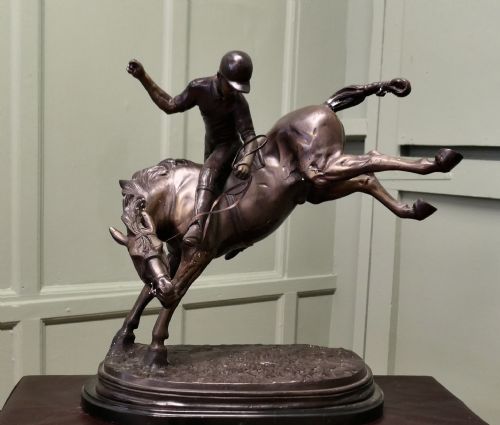
Foundries produced these works primarily in bronze, utilising both solid casting and hollow methods to shape the metal. Artisans frequently applied patination liquids to create coloured surfaces ranging from deep browns to metallic tones.
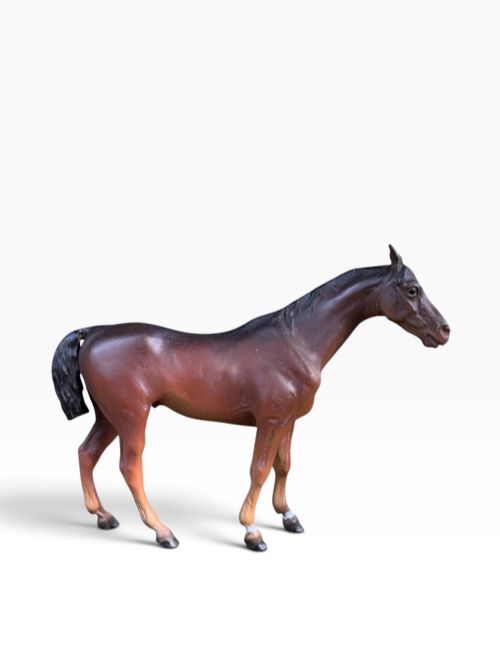
Certain pieces received additional surface treatment through cold painting, applying polychrome pigments directly onto the metal surface without subsequent firing. Fire-gilding and ormolu applications provided bright gold-coloured highlights where desired.
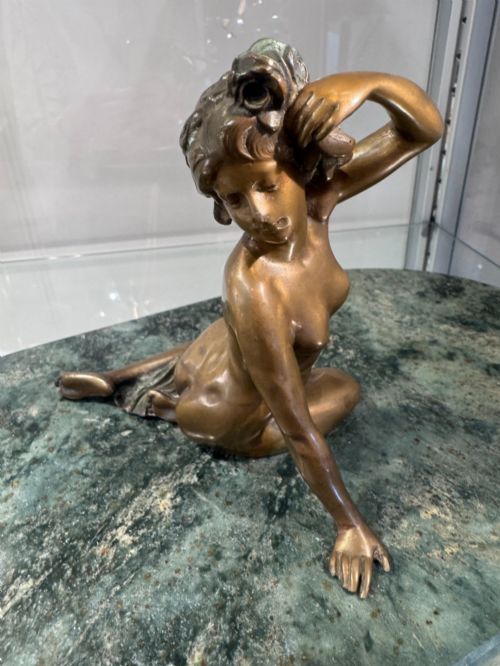
Many sculptures were mounted onto heavy geological bases of marble, onyx, or slate to provide stability for desk use. These stone plinths were cut and polished to complement the metallic tones of the figures above.
Listings feature works spanning the nineteenth and twentieth centuries, utilising materials such as patinated bronze, marble, onyx, and cold-painted metal.
What varies in quality
The application of patination and cold painting dictates visual depth. Artisans who layered chemical treatments achieved subtle tonal gradations that remained durable over decades of handling.
The quality of the mounting affects the overall balance of the piece. Superior sculptures feature accurately fitted marble or onyx bases that securely anchor the metal figure without visible gaps.
Rudolf Küchler·Bruno Zach·Émile Louis Picault·Christophe Fratin·Antoine Louis Barye·Alfred Barye·Dora Heber·Franz Bergman·Emile Guillemin·Georges Van Der Straeten
The Desk Ornament Bronze Sculpture Glossary
- Animalier
- A nineteenth-century artistic movement focusing on the realistic depiction of animals, particularly predators and domestic beasts. Sculptors in this tradition studied anatomy closely.
- Cold-Painted Bronze
- A technique where oil-based paints were applied to a bronze surface after casting, without heat-firing. This method produced brightly coloured birds and figures.
- Grand Tour
- A traditional trip through Europe undertaken by upper-class scholars and collectors during the eighteenth and nineteenth centuries. Travellers purchased small bronzes of classical statues as souvenirs.
- Ormolu
- Finely ground high-carat gold mercury-gilded to a bronze object. This French finishing technique provides a brilliant golden shine.
- Patination
- The chemical colouring applied to the surface of bronze to alter its tone. Artisans used various acids and heat to produce greens, browns, and blacks.
Desk Ornament Bronze Sculpture: Frequently Asked Questions
How were these bronzes used?
These metal sculptures served decorative and practical purposes on nineteenth and twentieth-century writing desks. Many doubled as inkwells, paperweights, or seal matrices while providing a pleasing visual focal point.
Owners placed them near writing implements to anchor loose papers or simply to display personal taste in literature, history, or nature.
How do I clean a bronze sculpture?
Dust the surface gently with a soft, dry brush to prevent dirt accumulation within the recessed details. Avoid using commercial metal polishes, water, or chemical cleaners, as these substances can strip away the original patina.
Applying a very light coat of microcrystalline wax occasionally helps protect the metal surface from atmospheric moisture.
What is an animalier bronze?
An animalier bronze is a sculpture depicting animals in realistic, active poses, often capturing moments of predation or natural movement. This genre gained immense popularity across Europe during the nineteenth century.
Artists focused heavily on accurate anatomical study rather than idealised forms when casting these creatures.
How can I tell the period?
Dating relies on stylistic markers, casting techniques, and the type of material used for attached bases. Art Deco pieces show geometric styling from the 1920s and 1930s, while Grand Tour items reference classical antiquity.
Examining the depth of the chasing and the composition of the underlying bronze alloy provides further clues to the decade of production.