

Desk Letter Organiser
These desk letter organisers keep correspondence in order, bringing period timber and metal to the desktop.
Desk Letter Organiser
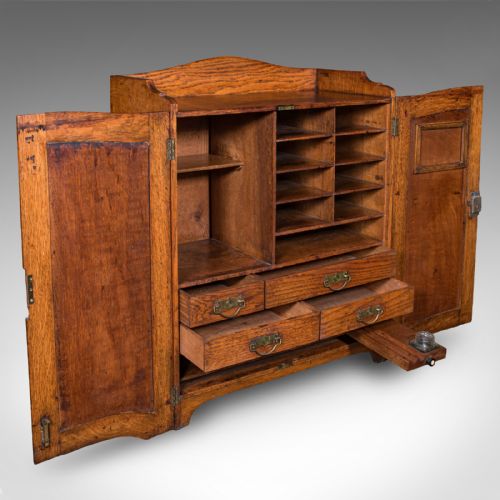
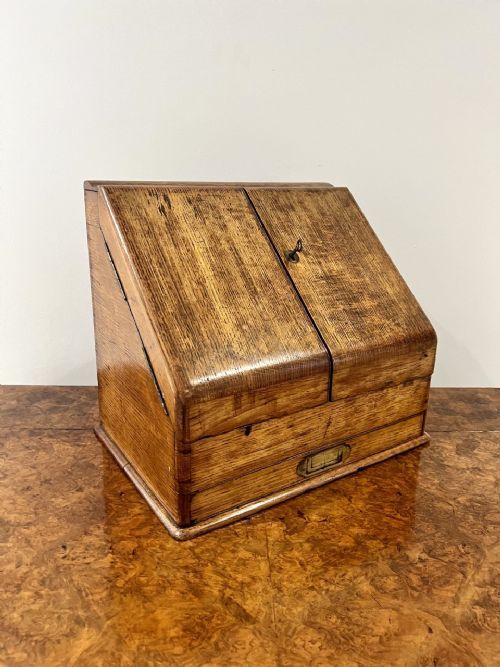
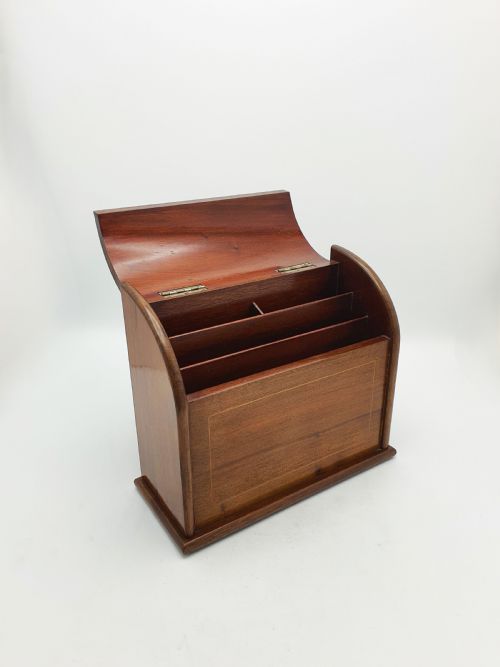
A desk letter organiser provides a dedicated tabletop station for sorting incoming post, envelopes and writing paper. When you search for a desk letter organiser, you encounter upright letter racks, stationery boxes with fall fronts, and multi-compartment cabinets designed to keep correspondence tidy.
The pieces appearing here span the eighteenth, nineteenth and early twentieth centuries, with Victorian and Edwardian examples forming the majority of the selection. Oak and mahogany dominate the timber choices, frequently paired with brass or glass fittings, alongside occasional rosewood and walnut specimens.
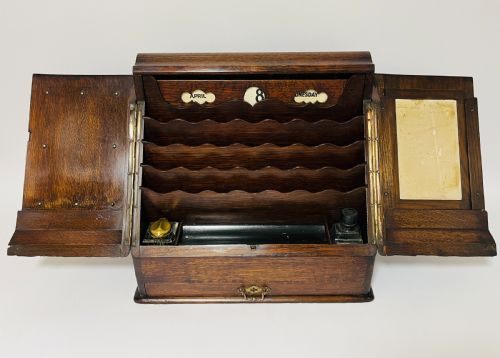
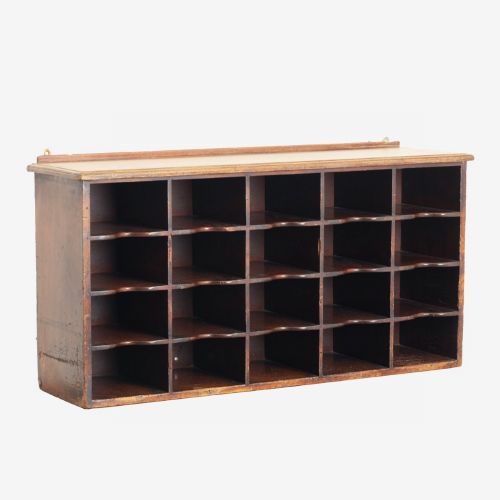
Forms range from simple desktop pigeonholes and brass envelope racks to elaborate stationery cabinets and correspondence boxes equipped with inkstands and date adjustments. Makers applied styles from Gothic Revival and Arts and Crafts to Sheraton and Rococo Revival, suiting both formal libraries and country house studies.
Materials and construction
Cabinet makers utilised solid and veneered timbers such as oak, mahogany, walnut, and rosewood, building carcass structures with dovetail joints for durability. Brass mounts, hinges, and handles provide structural reinforcement while adding decorative contrast to the dark woods.
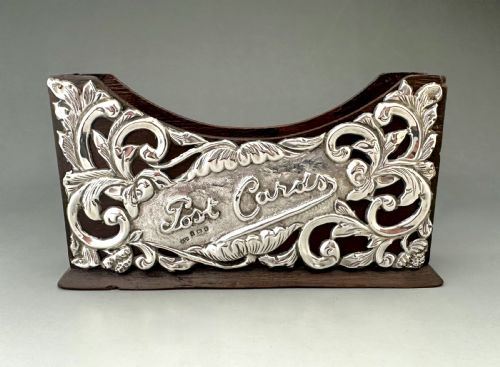
Glass panels, silver mountings, and copper elements appear across various letter racks and stationery boxes, often showcasing specialist techniques like Tunbridge Ware marquetry or Japanese lacquer work. Interiors frequently feature velvet-lined ledges, leather inserts, and fitted compartments tailored for specific writing paraphernalia.
Listings feature items from the eighteenth century through to the Edwardian period, constructed in oak, mahogany, walnut, brass, and glass.
Judging quality in desk letter organisers
The standard of a desk letter organiser rests on the selection of figured timber veneers and the precision of the joinery, particularly in the dovetails of internal compartments and drawers. Superior pieces display harmonious proportions and substantial brass hardware rather than flimsy pressed metal.
Intricacy of detail separates standard desk tidies from exceptional examples, seen in hand-cut Tunbridge Ware mosaics, well-executed brass castings, and fully integrated locking mechanisms with working keys. The presence of secondary woods and the cleanliness of internal lining materials further indicate the original tier of production.
Elkington·Edmund Nye
The Desk Letter Organiser Glossary
- Stationery box
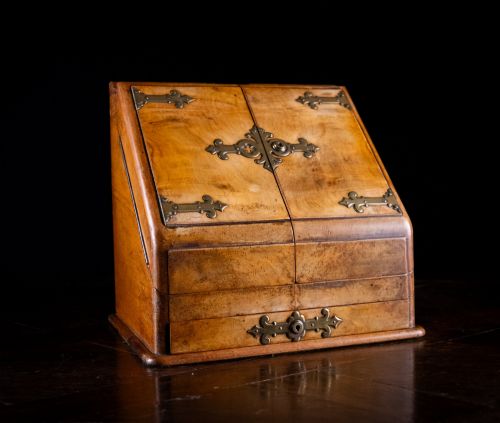
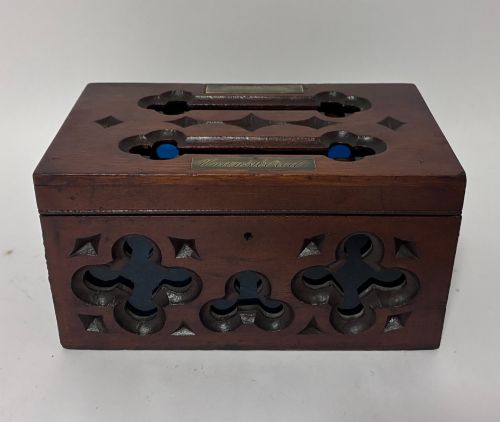
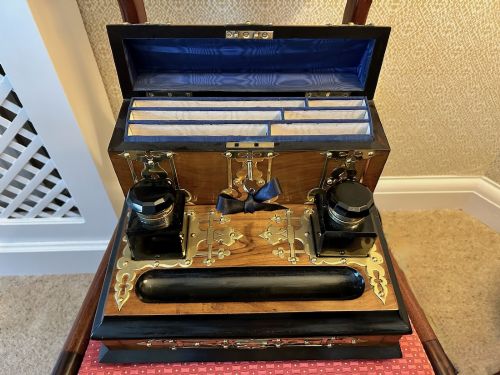
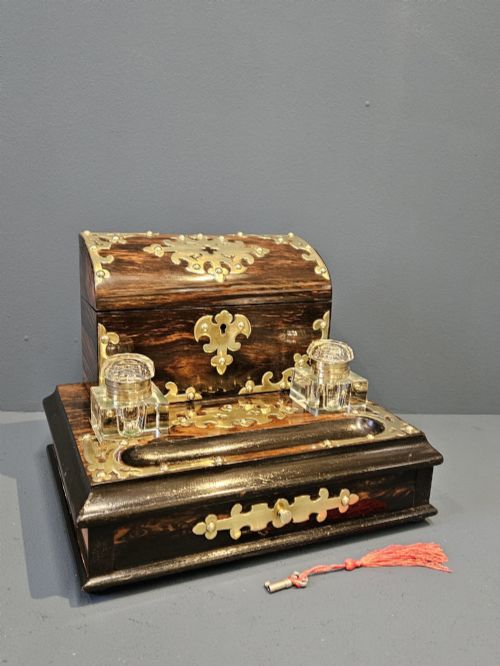
- A tabletop cabinet with a hinged lid or fall front designed to hold paper, envelopes, and writing implements. These boxes often feature internal divisions and sometimes incorporate inkwells.
- Letter rack
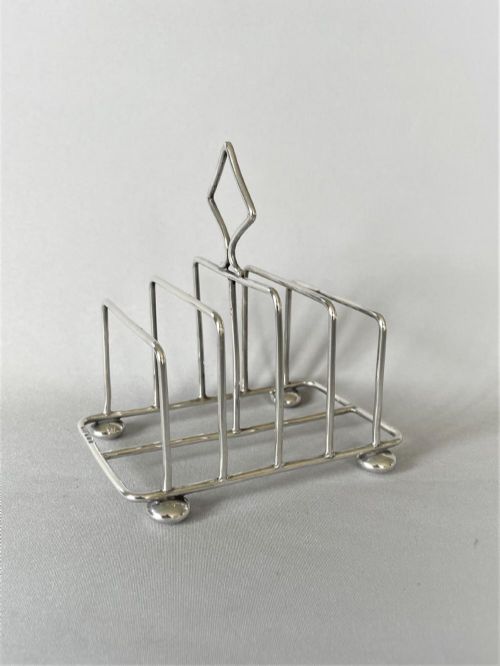
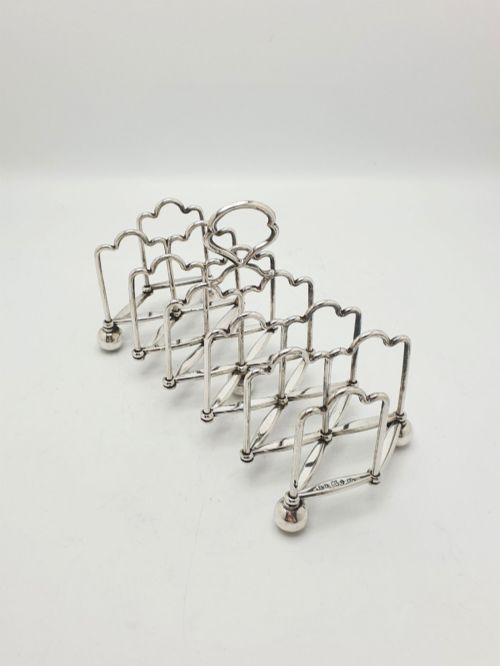
- An open frame with upright dividers used to hold letters and envelopes upright on a desk surface. They appear in brass, wood, and silver.
- Cartonnier
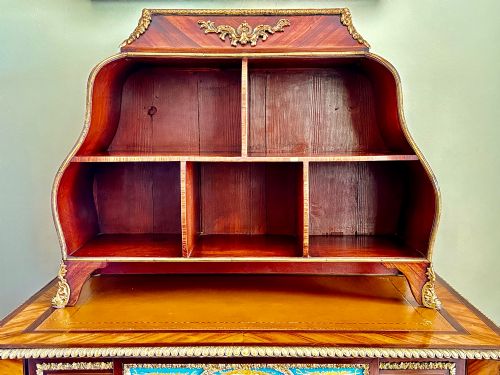
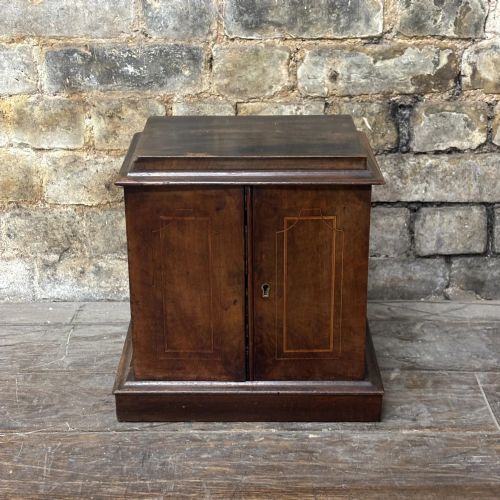
- A desktop cabinet containing a series of pigeonholes or pull-out drawers for sorting papers and documents. French examples often feature decorative ormolu mounts.
- Standish
- A portable desk stand or tray holding inkwells, sanders, and penholders alongside compartments for letters. They combine writing materials into one central desktop accessory.
- Tunbridge Ware
- A type of decorative woodwork characterised by tiny mosaic tiles formed from naturally coloured woods to create pictorial or geometric designs. Edmund Nye worked in this manner.
Desk Letter Organiser: Frequently Asked Questions
What is a desk letter organiser used for?
These desktop accessories held incoming and outgoing correspondence, envelopes, and writing paper in private studies and offices. They kept paper flat and sorted before the widespread use of filing cabinets.
Many pieces included slots for stamps, pens, and blotting paper, keeping all writing necessities close at hand during the Victorian and Edwardian eras.
How do I date a wooden stationery box?
Dating relies on timber choice, construction methods, and stylistic cues such as brass mounts or carved ornamentation. Oak and mahogany pieces from the mid-nineteenth century often display heavy Gothic or Victorian revival details.
Later Edwardian examples tend toward lighter satinwood or inlaid mahogany, while Georgian pieces show simpler lines and older dovetailing techniques.
Are brass letter racks original?
Brass letter racks and mounts are generally original to the piece, matching the period aesthetic of the wooden carcass. Makers used cast brass for structural dividers and decorative embellishments.
In pieces from the Arts and Crafts period, hammered copper and brass components reflect hand-worked metalcraft popular around nineteen hundred.
How do I clean an antique desk tidy?
Maintenance involves gentle dusting with a soft cloth and occasional application of appropriate beeswax to nourish dry antique timber. Avoid harsh chemical cleaners that strip the original patina from the wood.
Metal components benefit from careful dry wiping to preserve any aged finish rather than aggressive polishing back to bright brass.