



Derby Porcelain Statue
These derby porcelain statue pieces bring eighteenth and nineteenth century figural artistry into your home with hand painted charm and gilt detail.
Derby Porcelain Statue
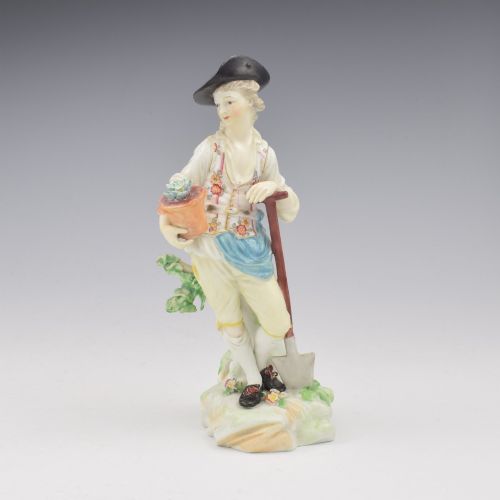
A derby porcelain statue encompasses figures, figurines, and statuettes produced from the eighteenth century onwards, spanning Georgian, Regency, and Victorian eras. You will encounter shepherdesses, mythological deities like Jupiter and Neptune, and allegorical representations of the continents.
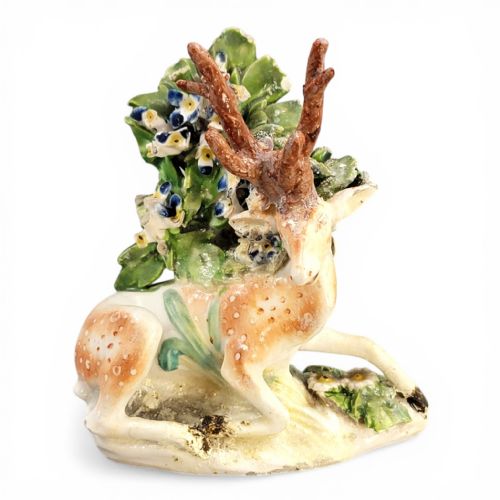
The earliest examples date from the mid-eighteenth century, including patch period pieces and pastoral groups depicting sheep, stags, and musicians. Later nineteenth century output includes Bloor period figures and pieces modelled in the French rococo revival style.
Makers and followers created single statuettes as well as paired figures and complex groups such as Father Time clipping Cupid's wings. These ceramic sculptures capture theatrical characters, allegories, and pastoral scenes rooted in British ceramic history.
Materials and methods
Potters shaped these figures using soft paste porcelain, applying lead glaze to seal the body before secondary firing. Artisans then decorated the surfaces with polychrome enamel colours and gold leaf highlights.
Early eighteenth century works rely on precise hand modelling during the patch period, whilst later nineteenth century figures incorporate gilt and rich enamelling. Artisans built complex sculptural groups by joining cast or pressed components prior to painting.
Derby Porcelain Statue Retail Price Guide 2026
Typical asking prices for derby porcelain statue among the pieces listed under this phrase on Sellingantiques today, from the lower quarter to the upper quarter. They describe what is for sale here now, not the wider market.
Materials documented in these listings include gold leaf, polychrome enamel, and porcelain.
Factors of quality
The application of polychrome enamel and the preservation of original gold leaf influence the visual strength of a figure. Pieces displaying careful brushwork and balanced colour palettes sit at the top of the range.
William Duesbury and Co·Royal Crown Derby·Samson Paris
The Derby Porcelain Statue Glossary
- Patch period
- A phase in early Derby production identified by circular kiln support marks on the base of the porcelain. These marks result from the small clay wads used to separate pieces during firing.
- Soft paste porcelain
- A ceramic composition containing glass frit and white clay, fired at lower temperatures than hard paste. This material yields a warm, creamy body common in eighteenth century figures.
- Bloor period
- The era of Derby production managed by Robert Bloor during the early nineteenth century. Figures from this time often feature rich enamelling and gilt highlights.
- Gilt
- A thin layer of gold leaf or gold paint applied to base details and borders for ornamentation. It accentuates architectural elements, garments, and plinths.
Derby Porcelain Statue: Frequently Asked Questions
How do I identify a patch period figure?
Look underneath the base for small circular unglazed spots left by the kiln supports during firing.
These tiny marks indicate the piece dates from the eighteenth century manufacture phase associated with early Derby output.
What subjects are most common?
Pastoral figures such as shepherds, sheep, and musicians appear frequently alongside mythological gods including Jupiter, Neptune, and Pluto.
Allegorical representations of the continents and seasons also form a large portion of these ceramic sculptures.
How do I clean my porcelain figure?
Dust the surface gently with a soft dry brush to remove particles without disturbing the enamel or gilt.
Avoid using water or chemical cleaners, as moisture can damage fragile nineteenth century soft paste bodies and pigments.
How do I distinguish eighteenth and nineteenth century pieces?
Eighteenth century examples often display softer paste bodies and patch marks from early kiln stacking methods.
Later nineteenth century Bloor period and revival pieces typically exhibit heavier gilding and brighter enamels.