





Derby China Dish
These derby china dish examples range from Georgian botanical plates to richly patterned Royal Crown Derby services, offering collectors both display presence and historic utility.
Derby China Dish
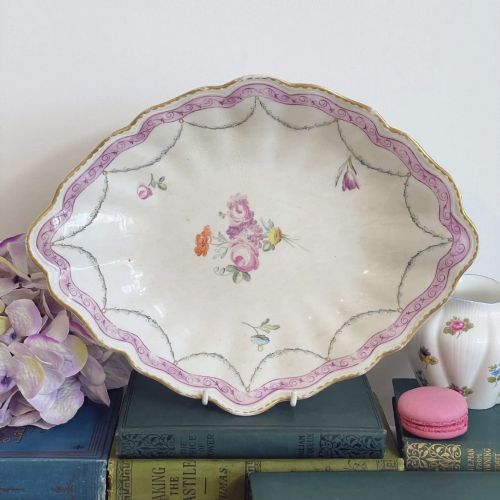
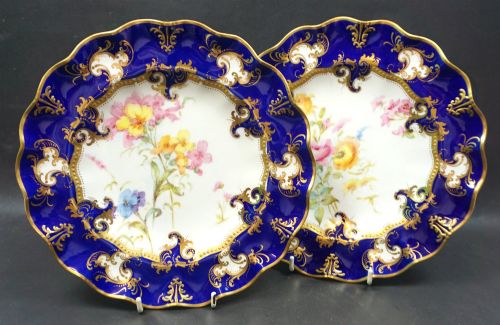
When searching for a derby china dish, you encounter a variety of forms spanning the eighteenth through the twentieth centuries. The selection includes serving dishes, cabinet plates, sauce tureens, and dessert plates from different historic periods.
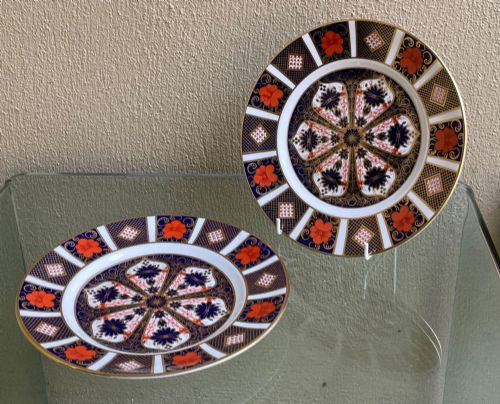
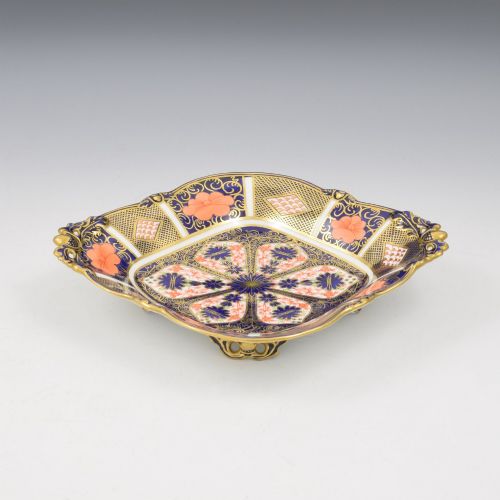
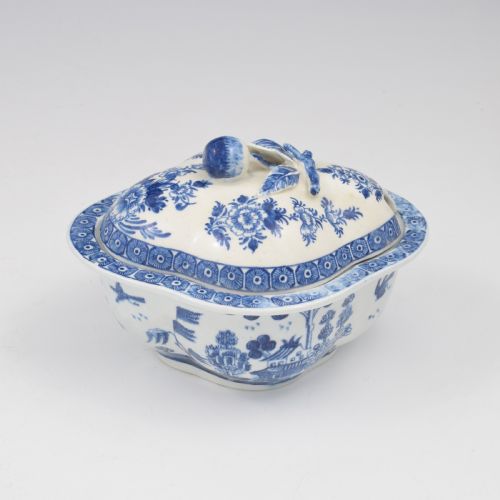
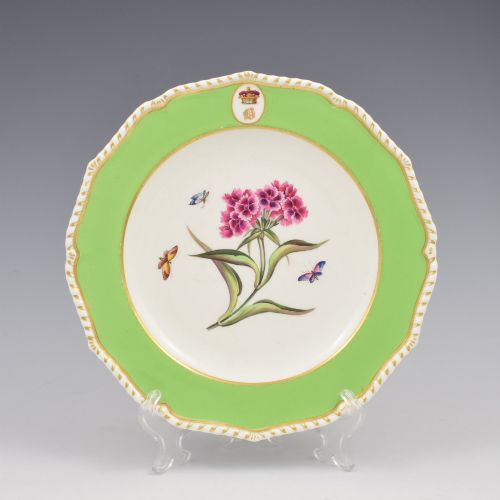
The most common examples on this page are Royal Crown Derby pieces featuring traditional Imari patterns alongside earlier eighteenth-century botanical and hand-painted plates. Forms vary from simple deep lobed serving dishes to specialised butter dishes and shell plates.
How they were made
Potters utilised porcelain and soft-paste porcelain as the primary body materials for these wares, shaping them into plates, tureens, and trays. Bone china appears in later twentieth-century productions.
Decoration relied on handpainted polychrome enamel pigments, underglaze blue, and applied gold leaf or gilding. Skilled artists executed botanical studies, armorial crests, and intricate Imari motifs before final firing.
Derby China Dish Retail Price Guide 2026
Typical asking prices for derby china dish among the pieces listed under this phrase on Sellingantiques today, from the lower quarter to the upper quarter. They describe what is for sale here now, not the wider market.
Listings feature porcelain forms spanning the 18th Century, 19th Century, and various twentieth-century decades including Regency and Edwardian periods.
What varies in quality
Quality in a derby china dish rests upon the crispness of the handpainting and the complexity of the design. Pieces featuring named artists or specific armorial commissions stand apart from standard decorative wares.
The preservation of the gilding and enamel colours over centuries determines the visual impact of each plate or tureen. Finer examples display precise brushwork in botanical subjects and deep saturation in Imari patterns.
Royal Crown Derby·Bloor Derby·Thomas Steele·F Garnett
The Derby China Dish Glossary
- Imari style
- A decorative scheme utilising rich iron-red, cobalt blue, and gold leaf, inspired by Japanese export wares. This palette became a defining characteristic of Derby production.
- Soft-paste porcelain
- An early ceramic composition fired at lower temperatures than hard-paste porcelain, producing a warm translucent body common in eighteenth-century pieces.
- Armorial
- A ceramic design featuring a painted family crest, coat of arms, or noble insignia. These bespoke commissions were created for specific aristocratic patrons.
- Sauce tureen
- A covered serving vessel designed for gravies or sauces, often accompanied by an integral or matching base dish.
Derby China Dish: Frequently Asked Questions
How do I date an old derby dish?
Dating relies on identifying factory marks on the underside, which changed across the eighteenth, nineteenth, and twentieth centuries. Stylistic details such as paste composition and pattern numbers also indicate the era of manufacture.
Earlier eighteenth-century pieces often feature blue painted marks, while later Bloor Derby and Royal Crown Derby items utilise specialised printed or impressed ciphers.
Are these dishes safe for food?
Most antique derby china dishes are collected for display, cabinet exhibition, or careful occasional use rather than daily dining. The historic enamels and soft glazes can be sensitive to modern detergents and cutlery.
Hand washing in lukewarm water with mild soap is recommended for any piece showing age or delicate gilding. Avoid dishwashers and microwaves entirely.
What is Bloor Derby china?
Bloor Derby refers to the period of production managed by Robert Bloor during the early nineteenth century, specifically from roughly the eighteen-teens onward. This era is known for vibrant botanical plates and rich gilding.
Pieces from this workshop often bear distinct crown and D marks associated with the Bloor proprietorship.
What are Imari patterns?
Imari patterns are traditional decorative motifs combining deep cobalt blue, iron-red enamel, and heavy gold gilding. Derby potteries adopted this aesthetic to create striking plates and serving dishes.
These designs derive from Japanese export porcelain traditions popular among European collectors during the Georgian and Victorian periods.