





Derby Ceramic Dish
These derby ceramic dish examples span centuries of English porcelain production, offering distinct forms and intricate hand-painted patterns for the home.
Derby Ceramic Dish
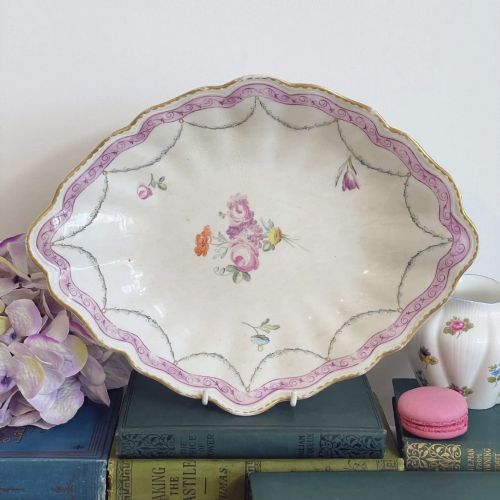
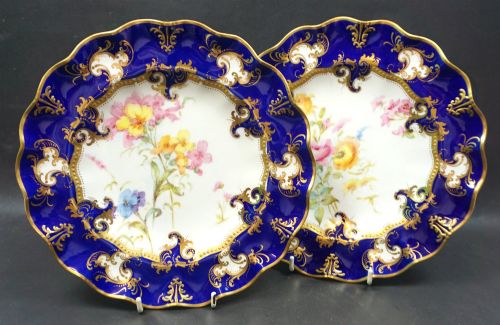
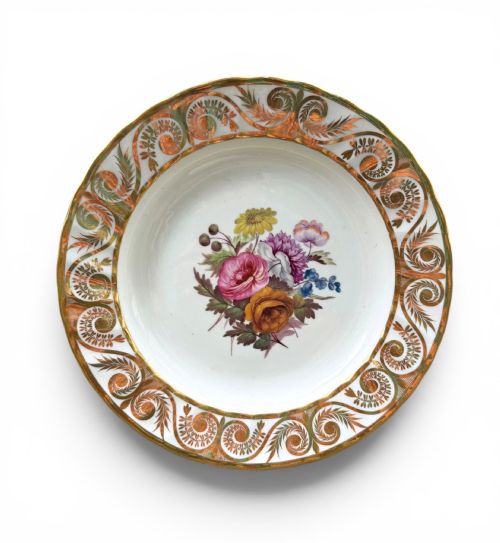
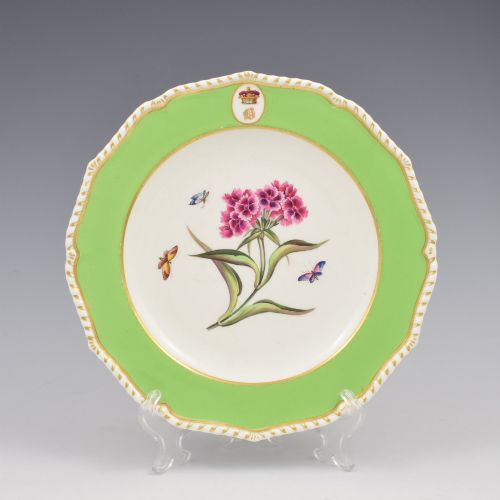
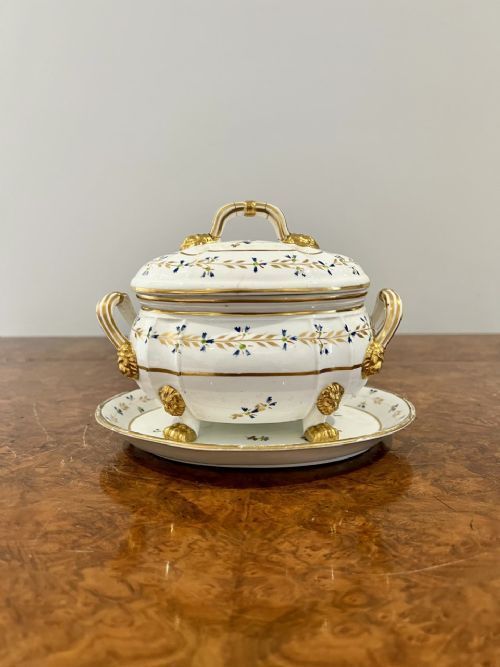
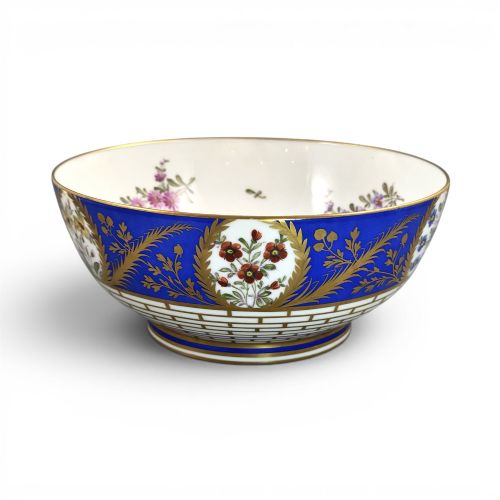
A derby ceramic dish encompasses functional and decorative forms such as serving dishes, tureens, cabinet plates, and bowls originating from various historic periods. Buyers frequently encounter 18th-century pieces alongside 19th-century and early 20th-century Royal Crown Derby output.
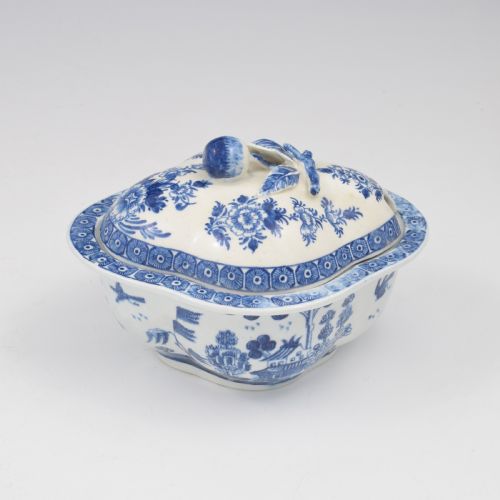
The selection ranges from early soft-paste porcelain tureens to later bone china plates adorned with traditional patterns. Collectors will find everything from simple floral motifs to elaborate armorial designs and Imari colour palettes.
Forms vary from quatrefoil sauce tureens and lobed serving dishes to standard cabinet plates and shell plates. Each piece reflects the evolving aesthetic demands of its specific manufacturing era.
Variations in Quality
The precision and complexity of the hand-painting set individual pieces apart, particularly in detailed floral arrangements and named botanical illustrations by specific artists. Superior examples display crisp brushwork and well-preserved gilt detailing without rubbing.
The sophistication of the porcelain body and the crispness of moulded elements, such as pierced borders or quatrefoil contours, indicate the tier of production. Early soft-paste bodies and pieces bearing specific historic marks demonstrate greater desirability among collectors.
Derby Ceramic Dish Retail Price Guide 2026
Typical asking prices for derby ceramic dish among the pieces listed under this phrase on Sellingantiques today, from the lower quarter to the upper quarter. They describe what is for sale here now, not the wider market.
Two persistent quails have stared across porcelain butter dishes and shell plates since the Regency era without ever flying away.
Royal Crown Derby·Bloor Derby·Moses Webster·Samson Paris·F Garnett
The Derby Ceramic Dish Glossary
- Imari pattern
- A decorative style characterised by a palette of underglaze blue, iron red, and abundant gilding. This Japanese-inspired aesthetic was widely adopted by English potteries.
- Soft-paste porcelain
- An artificial porcelain compound fired at lower temperatures than hard-paste, common in earlier English ceramic production. It produces a warm, slightly creamy body.
- Tureen
- A deep covered vessel designed for serving soups, sauces, or gravies at the table. These often include matching stands or covers.
- Armorial
- A ceramic design featuring a family crest, coat of arms, or heraldic insignia. These bespoke commissions were typically created for wealthy patrons.
- Kakiemon
- An asymmetric style of Japanese enamel decoration featuring quail, flowers, and banded hedges. Derby workshops adapted these motifs onto plates and butter dishes.
Derby Ceramic Dish: Frequently Asked Questions
How do I clean an antique derby dish?
Wash these pieces gently by hand using lukewarm water and mild soap. Avoid soaking, harsh scrubbing, or putting them in a dishwasher to protect the enamel and gilding.
Dry them immediately with a soft cloth to prevent water spots. Proper handling preserves the historic glaze and delicate painted surfaces.
Can I use these dishes for serving food?
While historic plates and tureens were originally made for dining, older ceramic bodies and delicate gilding are sensitive to modern use. Many collectors prefer to display them rather than risk thermal shock or utensil scratching.
If utilised for dining, keep use minimal and hand wash gently afterward. Acidic foods should not be left in contact with antique glazes for prolonged periods.
How do I identify the date of a piece?
Dating relies on examining the factory marks stamped or painted on the underside, alongside the ceramic body type and painting style. Soft-paste porcelain and specific blue marks point to eighteenth-century origins, while later Royal Crown Derby items feature standard numeric date ciphers.
Comparing the decorative motifs, such as Regency botanical themes or Victorian Imari variations, helps narrow the production window. Reference guides detailing factory marks remain essential tools for verification.
What is the difference between Derby and Royal Crown Derby?
The Derby descriptor generally applies to eighteenth and early nineteenth-century wares produced under various early partnerships and proprietors. The Royal Crown Derby designation reflects the royal warrants granted later in the nineteenth century.
Later pieces often incorporate specific crown and cipher marks alongside the traditional factory stamps. Both share a lineage of fine porcelain craftsmanship rooted in the same Midlands tradition.