



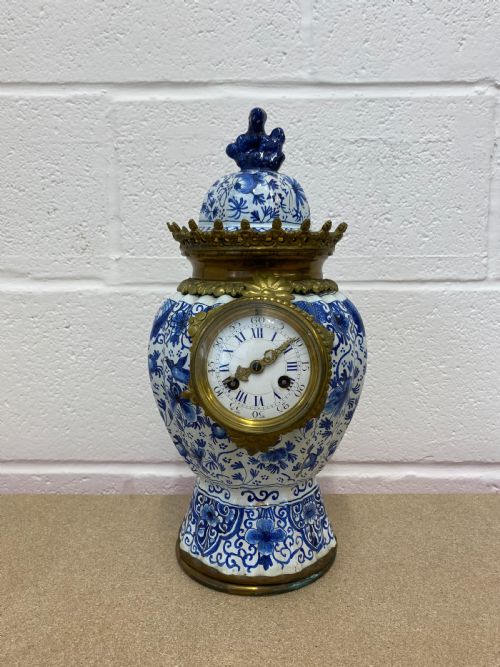


Delft Earthenware Urn
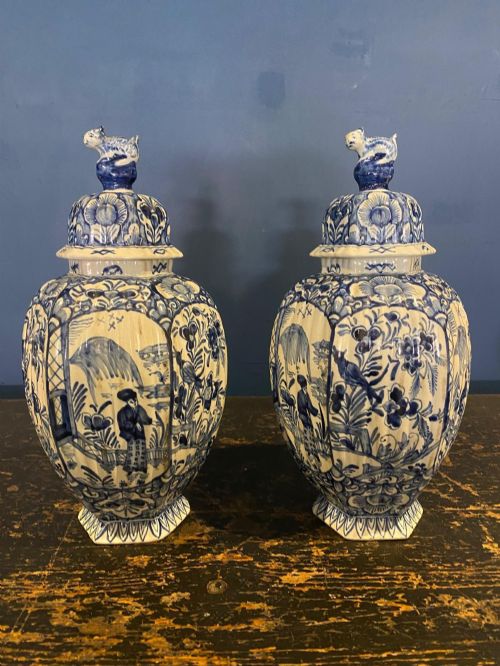
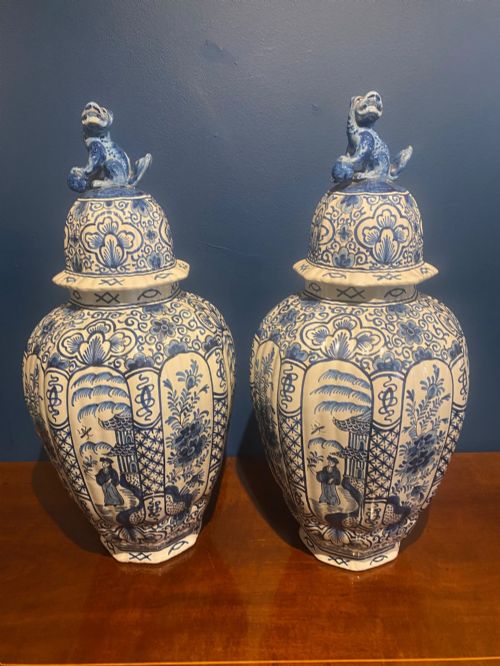
These delft earthenware urn pieces are tin-glazed ceramic vessels shaped for display, offering classic blue and white patterns for collectors.
Delft Earthenware Urn
When you search for a delft earthenware urn, you encounter vessels ranging from lidded jars to garden planters and table lamps. These pieces primarily span the seventeenth, eighteenth, and nineteenth centuries.
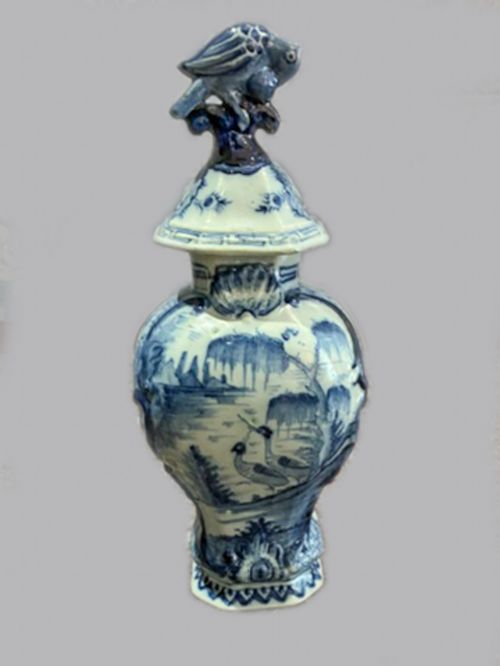
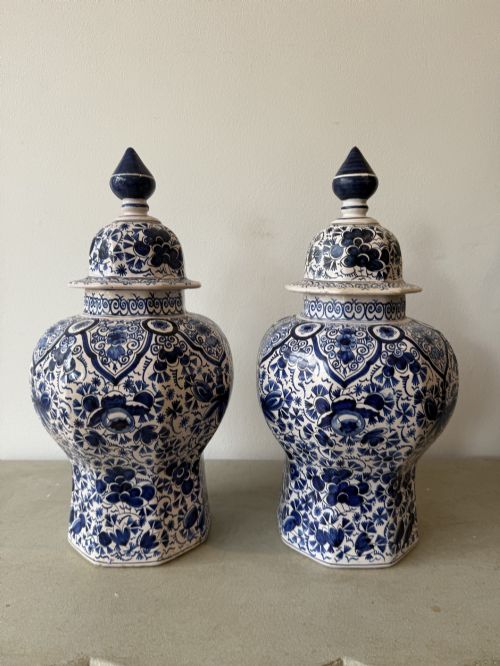
The domestic forms include baluster vases, beaker vases, and tobacco jars carrying Dutch Baroque or Chinoiserie ornament. You are most likely to meet eighteenth-century blue and white lidded vases among these examples.
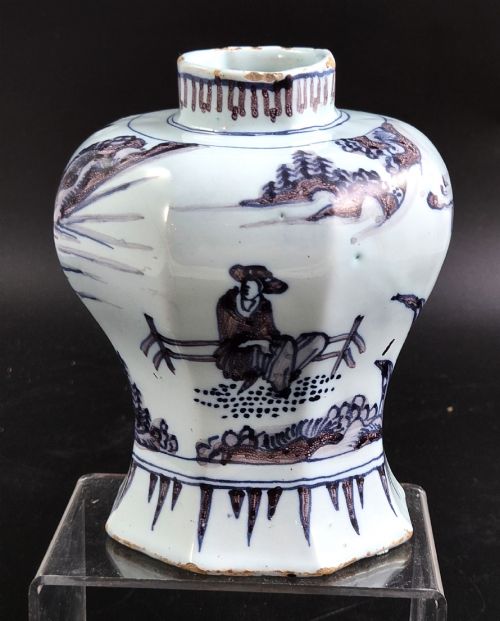
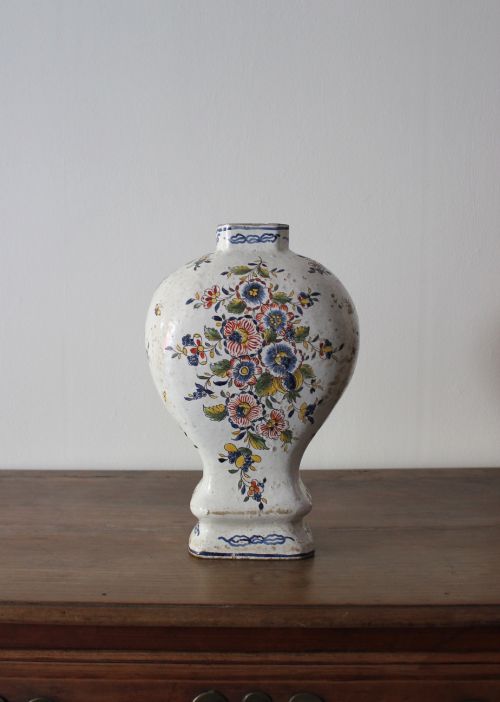
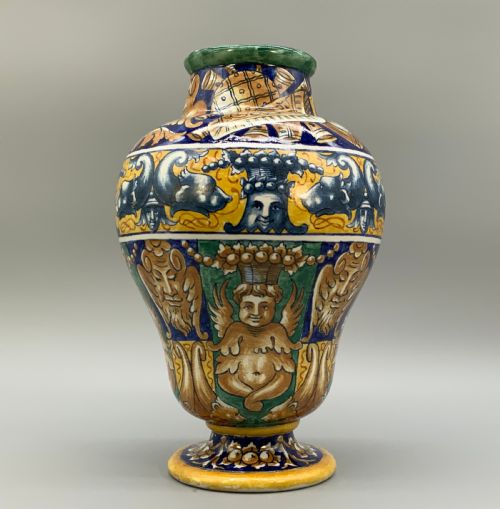
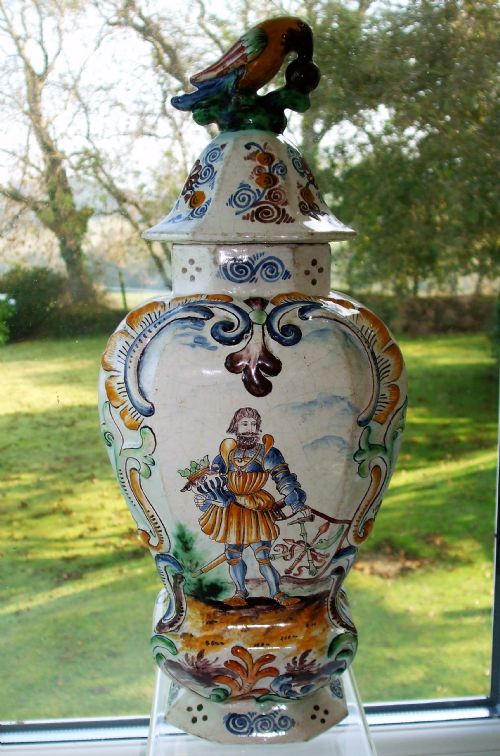
Some items feature polychrome palettes or manganese decoration alongside traditional blue and white painting. The selection also includes revival styles from later periods mimicking earlier Dutch origins.
Materials and construction methods
The foundational body consists of earthenware finished with an opaque tin glaze that provides a pale white canvas for painters. Artisans applied cobalt blue pigments directly onto the unfired glaze.
Production incorporated ceramic moulding techniques alongside thrown body shapes, often complemented by brass fittings or hardwood elements. Lidded vessels required precise throwing to ensure proper fit between base and cover.
Delft Earthenware Urn Retail Price Guide 2026
Typical asking prices for delft earthenware urn among the pieces listed under this phrase on Sellingantiques today, from the lower quarter to the upper quarter. They describe what is for sale here now, not the wider market.
Listings feature tin-glazed earthenware, ceramic, and faience materials spanning from the seventeenth to the twentieth century.
Factors determining quality
The fineness of the painted detail dictates visual standard, particularly in floral or avian Chinoiserie motifs. Crisp execution of the tin glaze without excessive pooling or crawling separates superior examples.
Structural preservation of the earthenware body and original covers marks the upper tier of the range. Intact lids on jars and urns substantially elevate the character of the piece.
The Delft Earthenware Urn Glossary
- Tin-Glazed Earthenware
- Pottery coated with a lead glaze made opaque by the addition of tin oxide. This provides the white background typical of delftware.
- Baluster
- A vertical architectural form swelling downward, frequently utilised for the bodies of large vases and urns. It creates a stable and pleasing silhouette.
- Chinoiserie
- European artistic style reflecting Chinese motifs. This aesthetic appears frequently on seventeenth and eighteenth-century pieces depicting birds and flowers.
- Polychrome
- Decoration employing multiple colours rather than a single hue. In these listings, it distinguishes multi-coloured wares from standard blue and white painting.
- Faience
- European tin-glazed earthenware produced outside of England and the Netherlands. The term appears in descriptions of continental pieces sharing stylistic traits with delft.
Delft Earthenware Urn: Frequently Asked Questions
What is a delft earthenware urn?
A delft earthenware urn is a tin-glazed ceramic vessel created for ornamental display. These objects encompass lidded jars, garden planters, and tall vases.
Most examples originate from Dutch or continental workshops across several centuries. They serve primarily as decorative focal points within a room.
How were these vessels used?
Historical uses included interior decoration, storage for substances like tobacco, and garden display. Lidded jars and urns functioned as prominent mantelpiece ornaments.
Some later pieces underwent conversion into table lamps while retaining their original ceramic bodies. Their primary purpose remained visual display rather than utility.
How do I date a delft piece?
Dating relies on stylistic markers, palette choices, and potting techniques recorded in the titles. Seventeenth-century items often display distinct Dutch Baroque or early Chinoiserie painting.
Eighteenth and nineteenth-century examples introduce broader variations including polychrome schemes and revival influences. Examining the tin glaze and earthenware body helps confirm the manufacturing era.
How should I live with them?
Display these vessels away from heavy traffic areas to protect their tin-glazed surfaces from impact. Position them on stable furniture where their forms can be appreciated.
Keep them clear of direct moisture sources if utilised as interior decoration. Gentle dusting maintains the glazed finish without abrasive cleaning.