




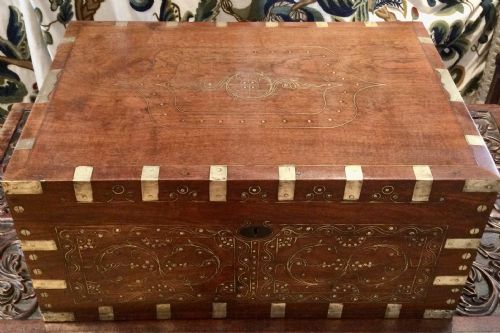


Decorative Wooden Trunk
These decorative wooden trunk examples bring character and history into a room while offering practical storage for everyday life.
Decorative Wooden Trunk
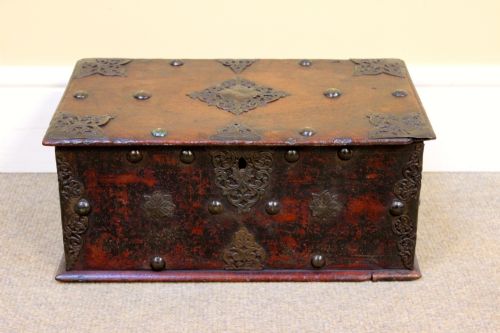
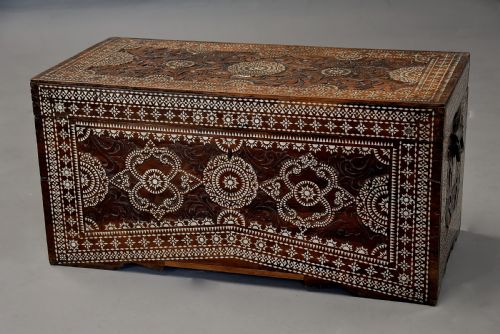
A decorative wooden trunk covers a diverse group of storage pieces that range from modest folk art boxes to elaborate travel chests. Buyers investigating this phrase encounter various forms, including straightforward pine storage chests, brass-bound boxes, and carved fruitwood trunks originating from different global traditions.
Materials and construction methods
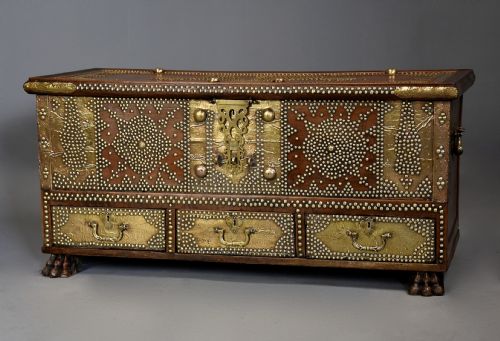
Construction relies upon traditional timber selection, utilising native pines and fruitwoods alongside heavier hardwoods such as teak, walnut, and mahogany. Makers incorporated structural metals by mounting chests with brass bindings, iron brackets, and protective studwork to withstand transport.
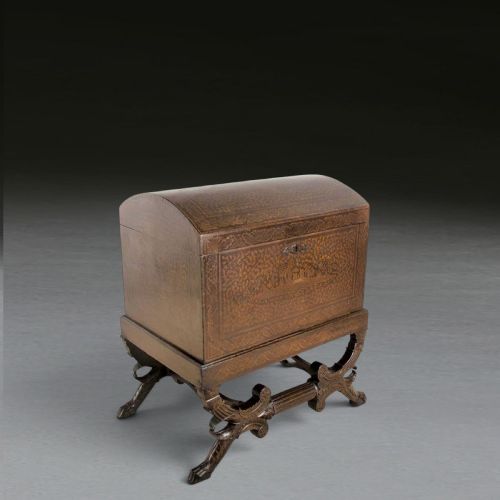
Surface decoration defines many of these pieces, employing techniques like mother of pearl inlay, intricate hand-painting, and carved detailing. Certain examples feature specialised finishes, including painted folk art schemes and Chinoiserie motifs applied directly to the timber substrate.
Decorative Wooden Trunk Retail Price Guide 2026
Typical asking prices for decorative wooden trunk among the pieces listed under this phrase on Sellingantiques today, from the lower quarter to the upper quarter. They describe what is for sale here now, not the wider market.
One listed item originates from a dug-out tree trunk, offering a remarkably direct reminder of raw woodland turned into furniture.
Factors distinguishing quality
Quality rests upon the skill evident in the primary construction and the precision of decorative embellishments. Pieces featuring tightly fitted brass bindings, detailed mother of pearl inlay, or careful hand-carving demonstrate a higher standard of craftsmanship than plain utility boxes.
The integrity of the original surface finish heavily influences the piece. Trunks retaining genuine early paintwork, unblemished inlaid panels, and unaltered structural hardware command greater attention from collectors than those with compromised surfaces or heavy later alterations.
The Decorative Wooden Trunk Glossary
- Brass bound
- A trunk or box strengthened and decorated with strips and corner pieces of brass secured by matching tacks or screws. This technique provided structural reinforcement for travel while adding a bright metallic contrast to the dark timber.
- Coffer
- A large wooden chest traditionally used for storing valuables, linens, or documents. These deep receptacles often feature heavy lids and robust locking mechanisms suited to domestic security.
- Mother of pearl
- An iridescent inner layer of shells utilised by craftsmen to create decorative inlay patterns. Small geometric or floral pieces were set flush into the wooden surface of boxes and trunks.
- Chinoiserie
- European artistic interpretations of Chinese and East Asian decorative styles. This aesthetic appears on painted or lacquered surfaces depicting traditional motifs and landscapes.
Decorative Wooden Trunk: Frequently Asked Questions
How were these trunks used historically?
These vessels served primarily for the secure transport and storage of personal belongings, valuables, and domestic linens during travel or at home.
Traders and travellers relied on sturdy chests with metal reinforcement to protect contents across long journeys by land and sea.
Where should I place a trunk at home?
A trunk works effectively at the end of a bed for extra blanket storage or as a coffee table in a living room.
Smaller decorative boxes sit comfortably on side tables, desks, or shelves while holding everyday items out of sight.
How do I care for antique wood?
Keep wooden pieces away from direct heat sources and strong sunlight to prevent the timber from drying out and splitting.
Apply a traditional wax polish occasionally to nourish the surface and maintain the natural lustre of the grain.
Can I date a trunk by its hardware?
The style and material of hinges, locks, and studwork often correspond to the manufacturing period of the piece.
Hand-wrought iron fittings generally point to earlier centuries, while machine-made brass components typically indicate nineteenth or twentieth-century origins.