






Decorative Wooden Treen
Decorative wooden treen comprises small domestic objects shaped from timber, offering a tangible link to historical daily life through careful craftsmanship.
Decorative Wooden Treen
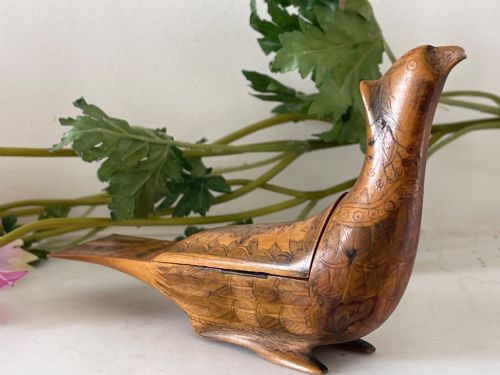
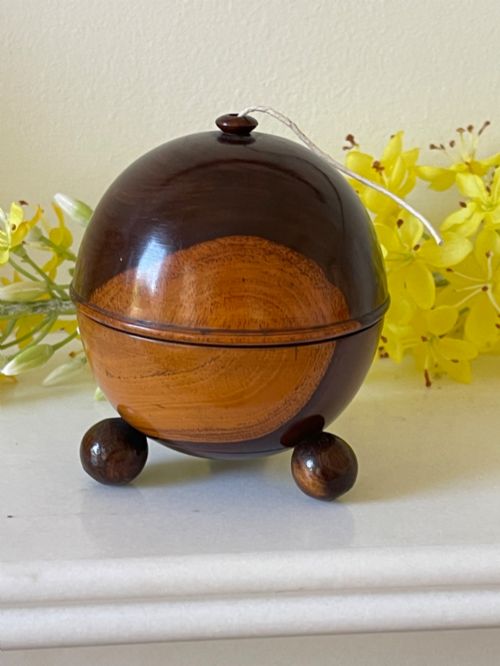
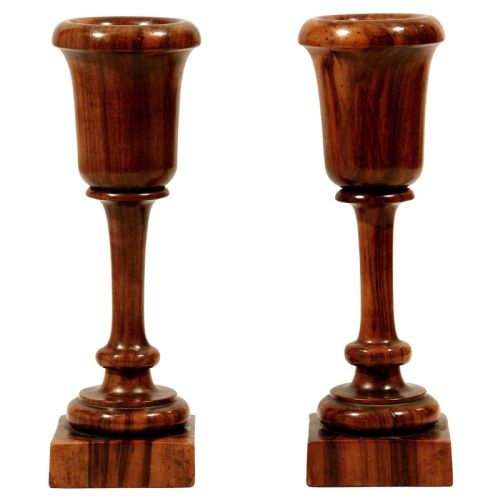
Decorative wooden treen encompasses a wide variety of utilitarian household objects created from timber across the Georgian, Victorian and early twentieth-century periods. When browsing this selection, buyers frequently encounter domestic items such as spill vases, string boxes, spice towers, and lovespoons originating from British, Scandinavian and Swiss traditions.
The objects span folk art pieces alongside more formal turned specimens, reflecting both rural craft and urban domestic utility. Common functional forms include butter tubs, knitting sheaths, apple corers, snuff boxes, and small vessels shaped from local timbers.
Materials and techniques
These items are shaped from a range of dense timbers including fruitwood, yew wood, oak, lignum vitae and general hardwood. Makers utilised seasoned wood selected for its grain pattern and stability, employing turning on a lathe as well as traditional hand carving.
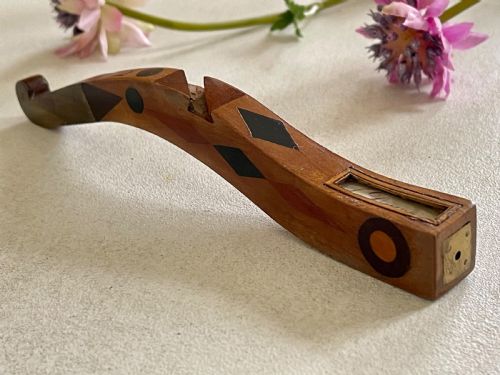
Decoration was achieved through diverse methods such as surface engraving, incised geometric inlay using contrasting materials, and occasional hand painting on bentwood structures. Surfaces were often left with a natural waxed finish that develops patination over decades of handling.
Decorative Wooden Treen Retail Price Guide 2026
Typical asking prices for decorative wooden treen among the pieces listed under this phrase on Sellingantiques today, from the lower quarter to the upper quarter. They describe what is for sale here now, not the wider market.
Listings feature items spanning the 18th, 19th, and early 20th centuries, created from timber varieties including yew, fruitwood, and oak.
Assessing quality and character
Quality in decorative wooden treen rests upon the crispness of the original turning or carving, the integrity of the timber, and the depth of surface patination accumulated through age and use. Finer examples display precise execution in decorative elements like inlaid geometric motifs or pierced carving.
Proportion and the preservation of original surface details distinguish superior specimens from simpler utility pieces. Objects retaining distinct tool marks and untouched patination hold greater interest for collectors than heavily restored examples.
The Decorative Wooden Treen Glossary
- Treen
- Small domestic wooden objects made by turning or carving. The term derives from the old English word for tree.
- Lovespoon
- A decorative wooden spoon traditionally carved by hand as a token of affection. These often feature intricate cutout work and symbolic motifs.
- Spill vase
- A small container designed to hold tapered paper spills used for lighting fires or candles. They are frequently turned from dense hardwoods.
- Knitting sheath
- A domestic tool tucked into a belt or apron string to hold a knitting needle steady. They often display geometric inlay or chip carving.
- Patina
- The surface sheen and mellowing of colour acquired by wood over long periods of handling and exposure to light.
Decorative Wooden Treen: Frequently Asked Questions
What is decorative wooden treen?
Decorative wooden treen refers to small, functional household objects shaped from timber by hand carving or woodturning.
These pieces include items made for domestic use, personal adornment, or kitchen tasks across several centuries.
How do I date decorative treen?
Dating relies on identifying the timber species, tool marks left by manufacture, style conventions, and wear patterns.
Comparing construction methods with dated examples helps place an object within the Georgian or Victorian eras.
How were these objects used?
These items served practical daily purposes in homes, from storing spices and string to holding knitting needles and snuff.
Many pieces also functioned as personal gifts or decorative ornaments within domestic spaces.
How do I care for wooden treen?
Wooden treen requires stable environmental conditions away from direct heat sources and strong sunlight to prevent timber splitting.
Applying occasional neutral wax helps maintain the surface lustre without altering the natural patination.