



Decorative Wooden Side Chair
These decorative wooden side chair pieces bring tactile warmth and regional character into a room, offering functional seating with sculptural presence.
Decorative Wooden Side Chair
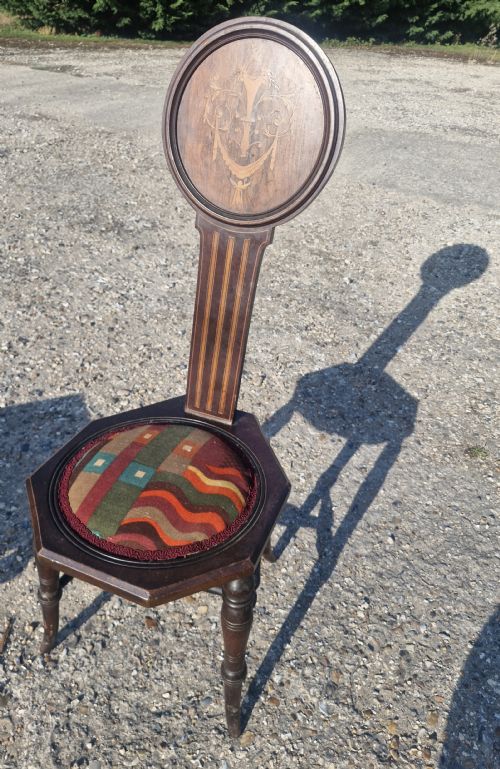
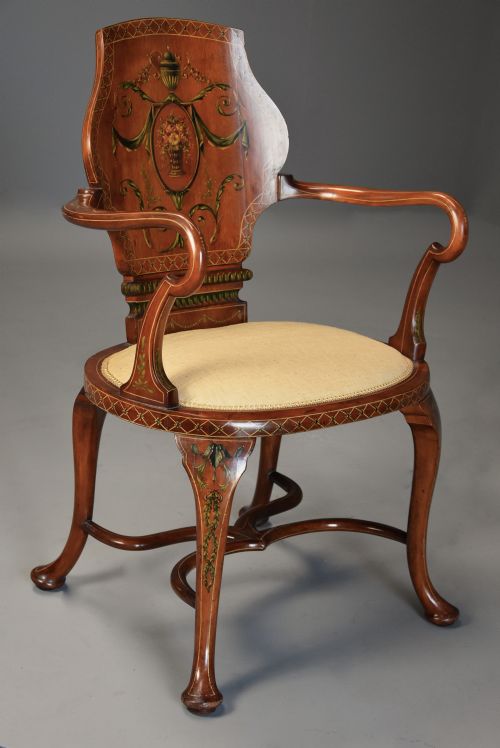
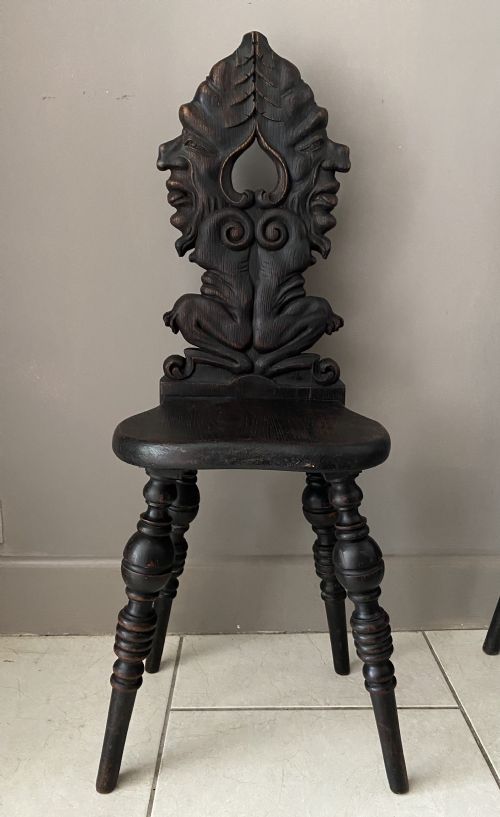
A decorative wooden side chair brings functional seating together with ornate carving, painting, or inlay work across several distinct periods. These items range from compact occasional seating to more substantial hall and dining furniture built for display as much as use.
The pieces on this page span the Victorian era, the Edwardian period, and the early twentieth century, taking in stylistic revivals such as Renaissance, Regency, and Art Nouveau. Walnut, oak, mahogany, and satinwood provide the primary timber foundations for these diverse forms.
Buyers will encounter specific regional and stylistic variants, including French hardwood armchairs, Flemish carved walnut, and Italian bone-inlaid examples. Spinning chairs and hall chairs also appear alongside standard side and dining formats.
Materials and construction
Cabinet makers utilised dense hardwoods such as walnut, mahogany, oak, and satinwood to provide a stable structural carcass capable of supporting intricate surface work. Rosewood and mixed hardwoods also appear, selected for their grain pattern or suitability for turning and carving.
Surface decoration relies on contrasting techniques, including hand-painting, bone inlay, and deep relief carving. Artisans shaped timber using traditional joinery before applying decorative finishes ranging from painted motifs to turned bobbin components.
Decorative Wooden Side Chair Retail Price Guide 2026
Typical asking prices for decorative wooden side chair among the pieces listed under this phrase on Sellingantiques today, from the lower quarter to the upper quarter. They describe what is for sale here now, not the wider market.
Materials represented across the listings comprise walnut, oak, mahogany, satinwood, cane, fabric, paint, and bone inlay.
Distinguishing quality in the range
Quality rests in the crispness of the hand-carving and the precision of inlaid elements like bone or contrasting wood veneers. Pieces showing deep, deliberate relief work stand apart from simpler production items.
The integrity of painted surfaces and the choice of primary timber also dictate the tier of a piece. Finer examples combine select satinwood or walnut with careful hand-painted details that remain sharp and undisturbed by later restoration.
The Decorative Wooden Side Chair Glossary
- Side chair
- A chair without arms, originally designed to sit against a wall when not in use around a dining table or in a parlour.
- Satinwood
- A durable, yellowish-grey timber with a lustrous grain, frequently utilised for fine cabinet-making and decorative painted furniture.
- Bobbin chair
- A seating form constructed with turned wooden components resembling spools or bobbins, popular during the nineteenth century.
- Hall chair
- A stiff wooden seat, often featuring a carved back or crest, traditionally placed in an entrance hall rather than a living space.
- Inlay
- A decorative technique where contrasting materials such as bone or exotic woods are inserted into recesses within the primary timber surface.
Decorative Wooden Side Chair: Frequently Asked Questions
Where were side chairs used?
These chairs served multiple functions around the home, acting as occasional seating in parlours, dressing rooms, or entrance halls. Their decorative nature meant they were often positioned to be seen rather than pulled up to a table for daily dining.
Over time, owners moved them between rooms depending on the layout and the need for extra seating during gatherings.
How do I date a wooden chair?
Dating relies on observing the combination of timber, style influences, and construction methods visible in the piece. Victorian and Edwardian examples often incorporate revival motifs, while specific turns like bobbin work point towards nineteenth-century production.
Matching the wood type, such as satinwood or oak, with the recorded period provides a reliable guide to its age.
Are these chairs comfortable?
Most of these pieces prioritise visual impact, carving, and timberwork over deep cushioning, functioning primarily as occasional chairs. Some feature cane or fabric seats which offer a degree of give, but they are built differently from modern padded armchairs.
They work best in settings where short-term seating is required or where the chair acts as a sculptural element in the room.
How should I care for timber chairs?
Keep wooden chairs away from direct heat sources and strong sunlight to prevent the timber and painted surfaces from drying out or cracking. Regular dusting with a soft, dry cloth preserves the finish without harming delicate inlay or paintwork.
Avoid applying modern silicone polishes, as these can build up and alter the appearance of antique wood over time.