
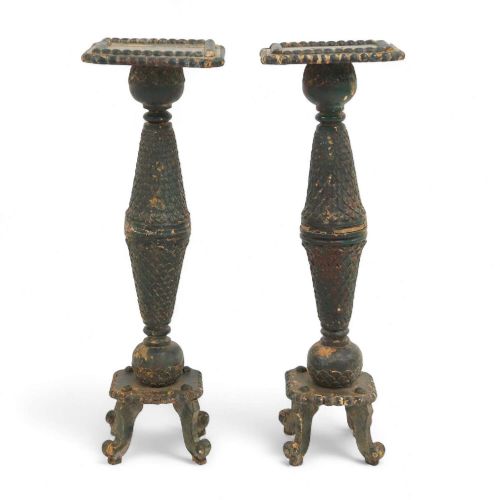


Decorative Wooden Columns
These decorative wooden columns bring classical architecture and dramatic height to an interior, shaped by centuries of hand-carving and paint.
Decorative Wooden Columns
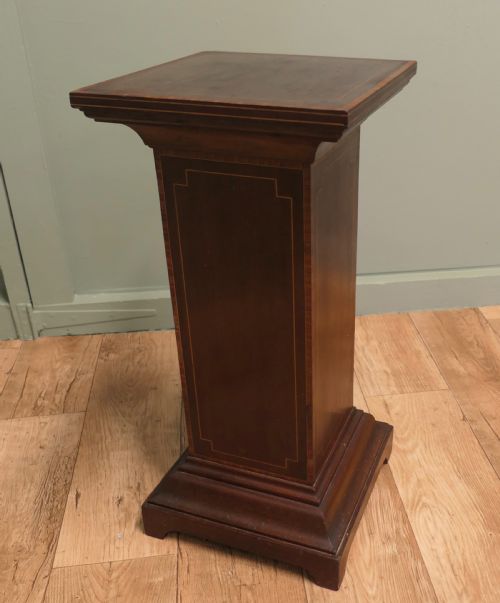
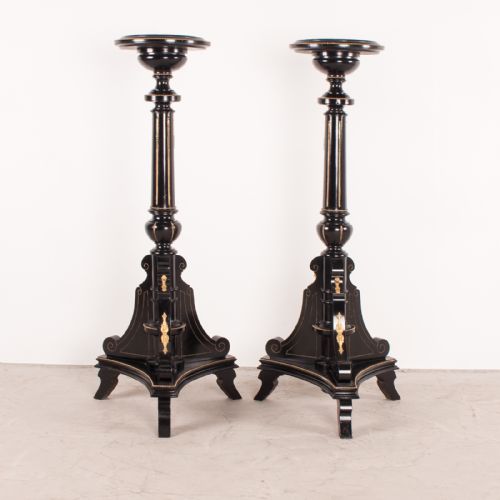
Decorative wooden columns span architectural salvage, pedestals, and torcheres, drawing from eighteenth-century origins through the Victorian era and into the early twentieth century. These pieces appear frequently as matched pairs, designed originally to support structures or elevate displays within grand rooms and domestic interiors.
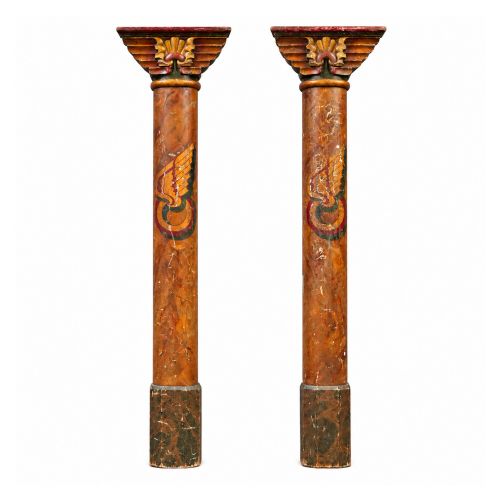
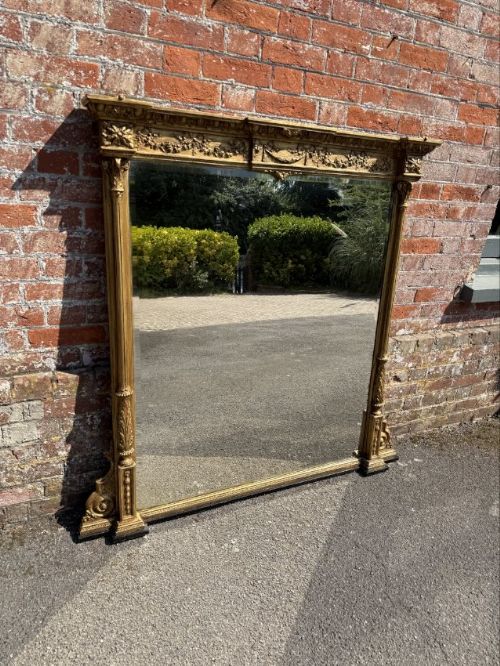
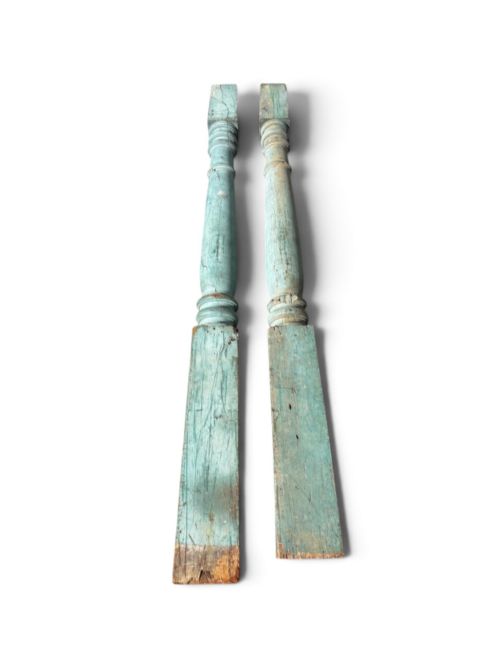
The selection ranges from carved mahogany and oak shafts to painted and parcel-gilt pillars, alongside sculptural fairground pieces and architectural fragments. Buyers encounter everything from slender torchieres to substantial half columns intended for wall mounting alongside mirrors.
Origins stretch across English, French, Italian, Scandinavian, and Indian workshops, reflecting diverse regional tastes in classical revivalism. Whether manifested as fluted capitals or freestanding pedestals, these items serve primarily to anchor sculptural displays or frame architectural spaces.
Materials and Techniques
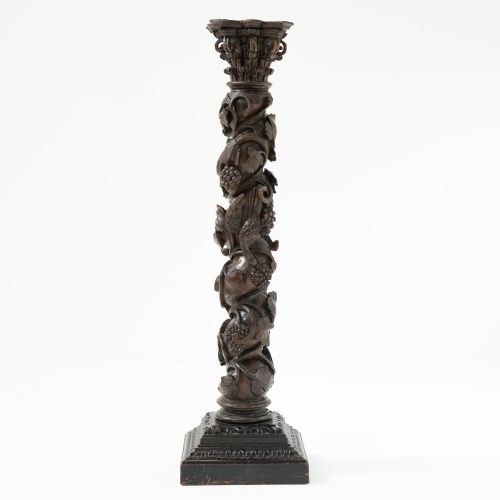
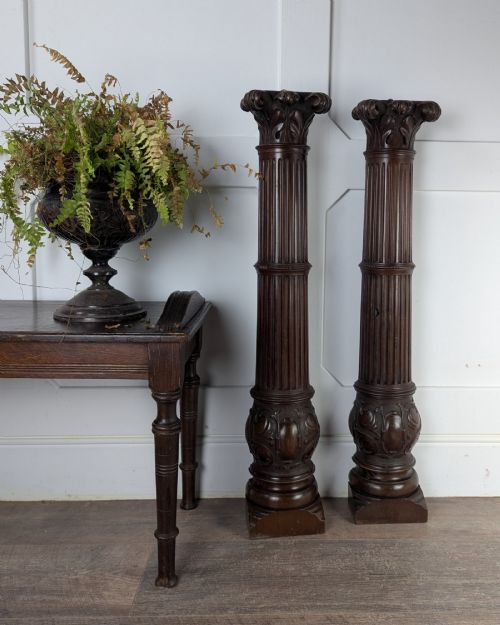
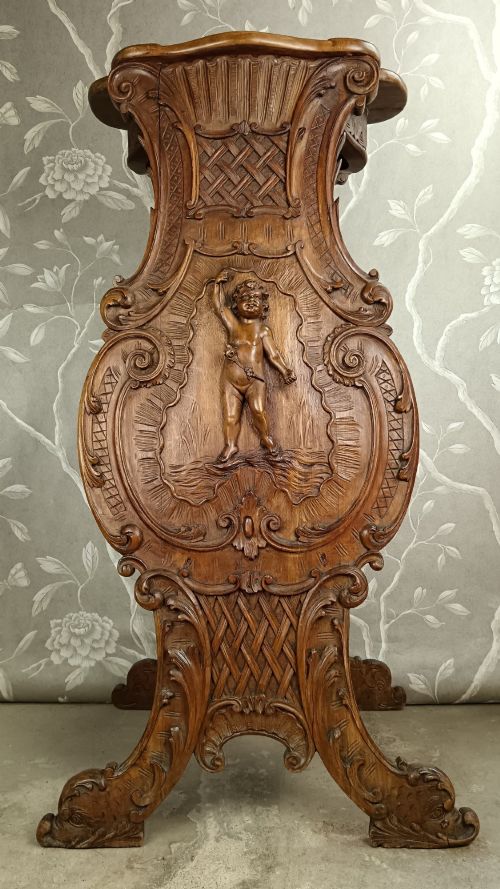
Carpenters and carvers shaped these pieces from solid hardwoods like mahogany, walnut, and oak, alongside softer pine and fruitwoods. Artisans turned shafts on lathes and finished details with deep hand-carving, creating crisp acanthus leaves, reeding, and spiral Solomonic twists.
Surfaces received extensive decorative treatment involving gesso layers, gold leaf application, and hand-painted finishes in green, cream, or ebonised tones. Stone bases and glass mirror plates occasionally accompanied the woodwork to add weight and reflective contrast.
Even fairground columns need a rest after spinning around the 1920s circuit.
Assessing Quality
Distinction in these pieces lies in the crispness of the hand-carved detail and the integrity of the timber beneath the surface. Superior examples display deeply undercut foliage and balanced proportions that maintain architectural harmony.
The survival of original surface treatments - such as aged gilding, historic paint, or polished amboyna veneers - separates workshop masterworks from later adaptations. Heavier construction and integrated stone elements also indicate pieces destined for grander architectural settings.
MARGUERITE
The Decorative Wooden Columns Glossary
- Solomonic
- A column shaft characterised by a spiralling twist, popular in Baroque design and later revivals. This helical form creates dynamic movement along the vertical axis.
- Torchere
- A tall stand or pedestal designed to hold a light source or display an object at height. These slender supports often feature carved timber shafts and decorative bases.
- Capital
- The uppermost member of a column, situated above the shaft. Capitals frequently display carved classical orders such as Corinthian or Ionic motifs.
- Gesso
- A plaster-like mixture applied to wood surfaces to provide a smooth base for gilding or painting. Artisans carved intricate relief patterns directly into this dried compound.
- Architectural Salvage
- Building elements rescued from structures undergoing demolition or alteration. These components retain historic patination and original structural context.
Decorative Wooden Columns: Frequently Asked Questions
How were antique wooden columns used originally?
These columns functioned as structural supports in classical porticos, framing elements for mirrors and fireplaces, or freestanding display stands for art.
In domestic settings, paired torcheres and pedestals elevated decorative objects and provided ambient lighting corners.
Can these columns support weight today?
Many surviving architectural columns and pedestals retain structural integrity suitable for holding lamps, heavy planters, or sculptural objects.
Lighter decorative fragments or pieces designated for restoration require careful assessment before bearing significant loads.
How do I identify the period of a column?
Dating relies on timber selection, tool marks left by carvers, and the stylistic vocabulary of the capital and base.
Eighteenth-century examples often show dense oak and hand-wrought joinery, while Victorian and Edwardian pieces reflect eclectic revivals and machine-assisted turning.
Where should I place a column at home?
Freestanding pedestals and torcheres fit naturally into corners, entryways, or flanking sideboards to add vertical dimension to a room.
Half columns and architectural surrounds attach directly to walls, creating a focal point around mirrors or fireplace openings.