




Decorative Wine Table
A decorative wine table brings compact surface space and historical character to a room, offering a functional spot for glasses and bottles.
Decorative Wine Table
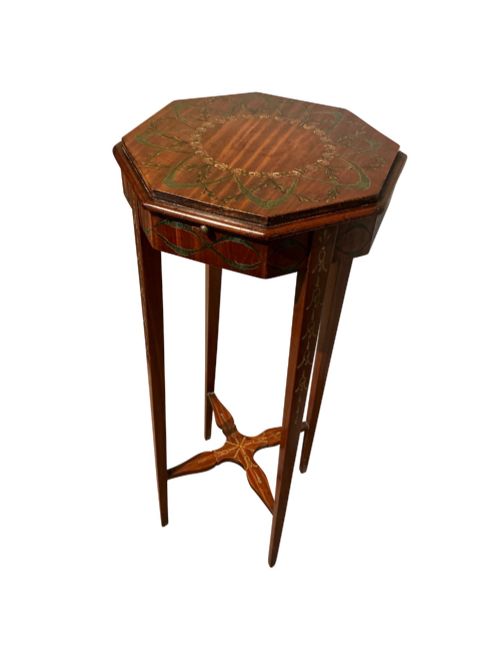
A decorative wine table functions primarily as an occasional or side piece designed to hold drinks, bottles, or small ornaments within a domestic interior. The examples gathered under this heading span several centuries and stylistic revivals, reflecting how makers adapted small tables for hospitality and display.
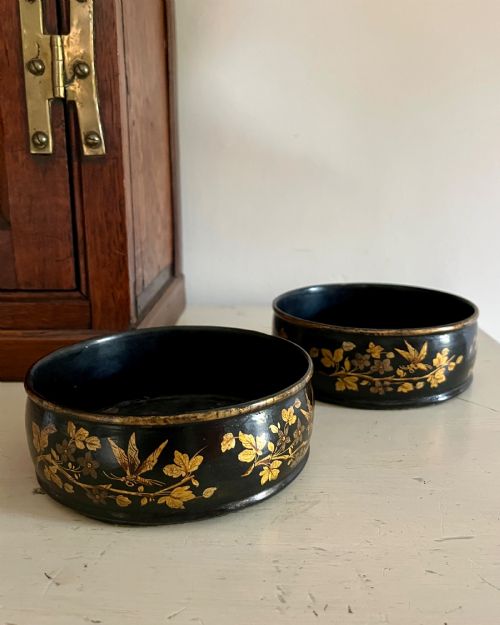
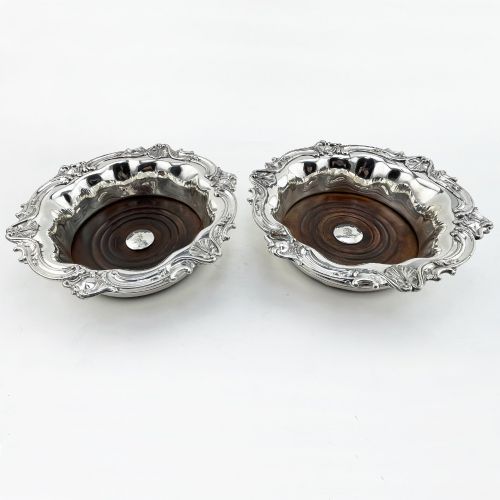
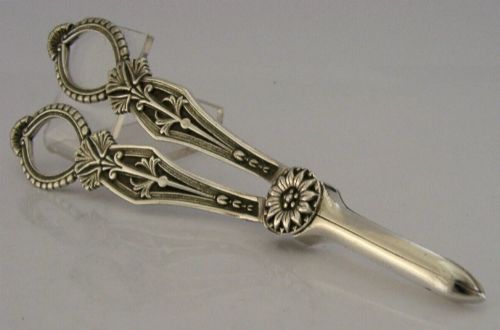
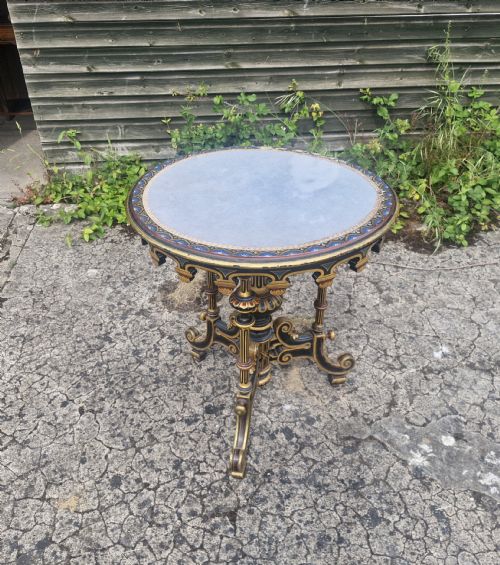
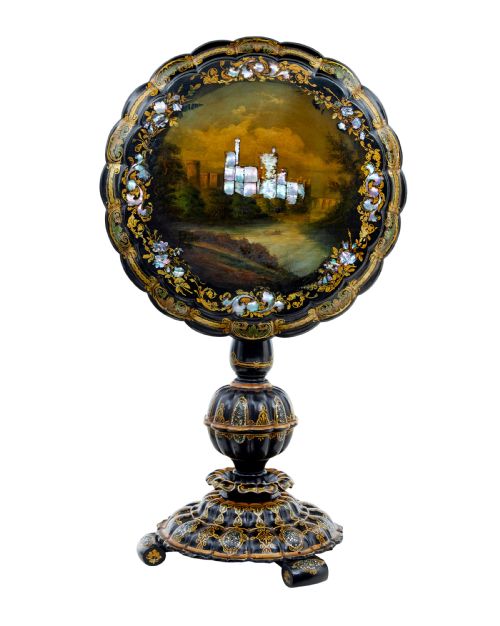
The selections on this page feature forms ranging from round onyx-topped columns to tilt-top papier-mâché pieces and tripod mahogany designs. Alongside traditional timber tables, related serving items such as silver-plated coasters, claret jugs, and grape shears appear to complement the barware theme.
Origins stretch from English workshops to French and Italian makers, utilising periods from the eighteenth century through the Edwardian era and mid-nineteenth century. Buyers will encounter both modest occasional tables and elaborately painted or inlaid specimens suited to formal reception rooms.
Assessing quality and craftsmanship
Quality in these pieces rests on the precision of the joinery, the stability of the central columns or tripod legs, and the integrity of any inlaid or painted surfaces. Superior examples display crisp moulding details and well-preserved decorative finishes without crude repairs.
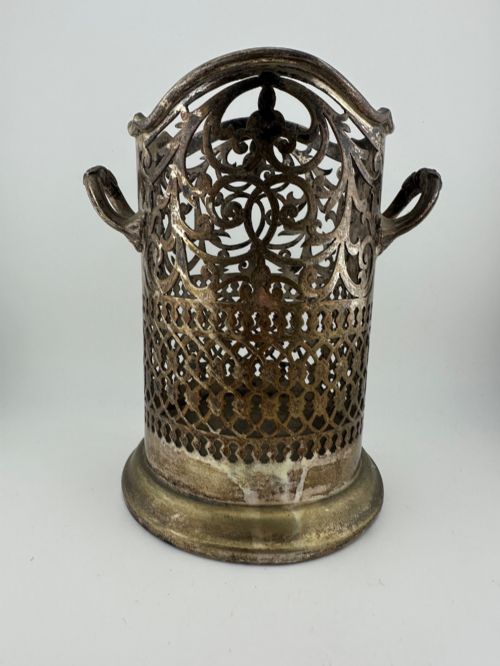
The refinement of secondary elements, such as the hand-piercing on silver-plated bottle holders or the depth of mother of pearl inlay on tilt-top tables, distinguishes finer studio output from standard utilitarian production.
Decorative Wine Table Retail Price Guide 2026
Typical asking prices for decorative wine table among the pieces listed under this phrase on Sellingantiques today, from the lower quarter to the upper quarter. They describe what is for sale here now, not the wider market.
Materials represented across the selection include mahogany, silver plate, onyx, toleware, and papier-mâché.
Mappin & Webb
The Decorative Wine Table Glossary
- Tripod base
- A support structure comprising three legs radiating from a central pillar. This design provides stability on uneven historic floors.
- Tilt-top table
- A table with a hinged top that folds flat when not in use. This mechanism allowed furniture to be stored against walls in smaller chambers.
- Old Sheffield Plate
- An early form of plated metal produced by fusing a sheet of silver to a copper base. It is identified by the subtle show of copper beneath worn silver edges.
- Toleware
- Painted or lacquered sheet metal items originating in France and Britain. It provides durable colour and decoration on domestic objects.
Decorative Wine Table: Frequently Asked Questions
What is a decorative wine table used for?
These small tables were originally positioned beside seating to hold glasses, decanters, or bottles during social gatherings. Today they function effectively as lamp tables or prominent accent pieces in living spaces.
Their compact footprints allow them to fit easily into corners or tight spaces where larger furniture would overwhelm the room.
How do I care for a mahogany wine table?
Keep wooden surfaces away from direct sunlight and extreme temperature fluctuations to prevent the timber from warping or splitting. Regular dusting with a soft, dry cloth preserves the finish.
Avoid placing damp glasses directly on antique wood surfaces by using coasters or protective mats.
Are tilt-top tables stable?
The mechanism relies on a catch or latch beneath the top to secure the surface in a horizontal position during use. When properly engaged, the top remains firm for holding lightweight items.
Users should exercise care when moving the table while the top is unlatched to prevent sudden pivoting.
How do I identify a Victorian piece?
Victorian furniture often displays robust proportions, dark hardwoods like mahogany, and ornamentation drawn from historical revivals such as Gothic or Italian styles. Makers during this era frequently combined traditional hand-carving with industrial manufacturing techniques.
Examining the underside and interior joints often reveals the straightforward construction methods typical of nineteenth-century workshops.