



Decorative Window Panel
These decorative window panel examples span the Victorian, Edwardian, and nineteenth-century periods, bringing coloured light and intricate architectural salvage into your rooms.
Decorative Window Panel
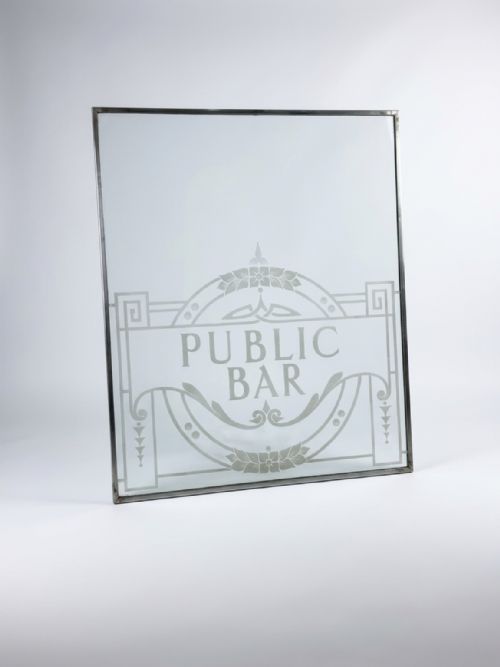
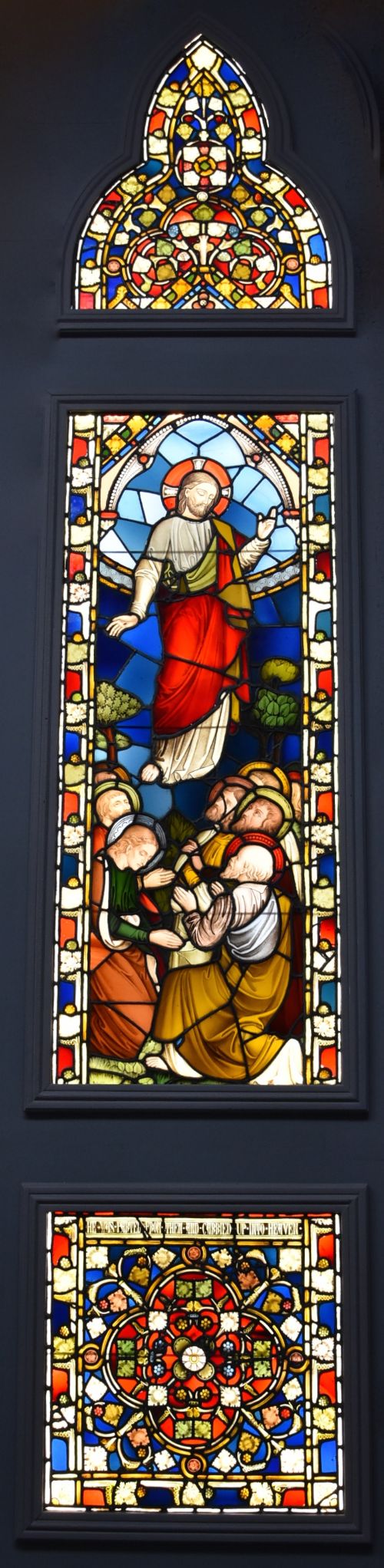
When you search for a decorative window panel, you encounter architectural salvage comprising leaded, stained, etched, and painted glass alongside cast iron and carved wood pieces. The selection ranges from nineteenth-century pub windows and religious works to domestic leaded glass depicting countryside scenes, farmhouses, and wildlife.
You meet panels from the Victorian, Edwardian, and 1900 periods, alongside earlier or continental pieces in Gothic Revival, Art Nouveau, French Country, and Qing Dynasty styles. Domestic leaded windows featuring hand-painted landscapes, birds, and floral designs appear frequently across the listings.
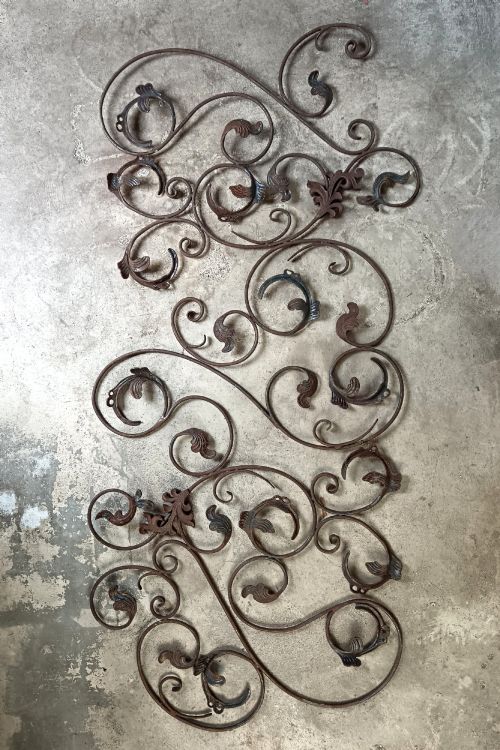
Architectural panels also include heavy cast iron scrollwork, wrought iron grilles, and carved wooden plaques originating from diverse domestic and commercial settings. These items function equally as wall plaques, architectural glass, or fitted inserts within modern interiors.
Materials and construction techniques
Glass panels utilise lead cames to hold coloured, etched, or clear bullseye glass pieces together within timber or metal frames. Artisans applied hand-painted pigments to the glass surface, depicting detailed scenes of countryside landscapes, farmhouses, and figures before firing.
Metal architectural elements combine cast iron and wrought iron, forming heavy scrollwork, balustrade panels, and structural grilles through traditional casting and forging methods. Wooden panels rely on carved timber plaques executed in hardwood.
The combination of metalwork, timber frames, and glass requires precise structural joinery to support large-scale triptychs and heavy architectural salvage safely within walls or hanging frames.
Decorative Window Panel Retail Price Guide 2026
Typical asking prices for decorative window panel among the pieces listed under this phrase on Sellingantiques today, from the lower quarter to the upper quarter. They describe what is for sale here now, not the wider market.
Architectural salvage forms a major category alongside domestic windows, wall plaques, and iron balustrades.
Distinctions in quality and execution
The distinction between standard domestic glazing and superior examples rests upon the complexity of the hand-painted artistry and the integration of specialised glass types such as bullseyes or flashed glass. Fine panels display meticulous brushwork in landscape and figurative scenes rather than repetitive stencilled motifs.
Structural integrity and original framing material dictate the standard of architectural panels, where heavy cast iron and well-weathered timber demonstrate robust historical manufacture. The harmony between the original lead cames and intact glass segments preserves the structural wholeness of each piece.
Unusual thematic content, such as literary emblems or distinct regional folk art designs, separates exceptional items from standard production pieces found across nineteenth-century and early twentieth-century workshops.
The Decorative Window Panel Glossary
- Stained glass
- Glass that has been coloured during its manufacture or painted and fired in a kiln. This material forms the primary translucent medium in decorative windows.
- Leaded glass
- Small panes of glass joined together by lead cames into geometric or pictorial patterns. The soft metal strips bend easily to follow complex pictorial outlines.
- Architectural salvage
- Building elements rescued from demolished structures for reuse in interior design. This category includes windows, grilles, and balustrade panels.
- Bullseye
- A circular patch of glass with a prominent centre lump, formed at the end of a blowpipe during traditional glassblowing. These appear in clear or coloured varieties.
- Triptych
- A picture or relief carving on three panels hinged or painted together side by side. Large-scale versions often feature religious or narrative subjects.
Decorative Window Panel: Frequently Asked Questions
How do I hang a window panel?
Heavy panels require secure structural fixings screwed directly into wall studs or brickwork using robust metal brackets. Lighter framed glass can hang safely from strong picture chains attached to reinforced wooden frames.
Ensure the weight of leaded glass is properly supported across its base rather than suspended entirely from the top corners. Consult a professional glazier or builder if the panel is exceptionally large or heavy.
Are these panels suitable for exterior use?
Many architectural pieces such as cast iron scrollwork and weathered timber withstand outdoor conditions naturally. Historic glass panels require careful assessment before exterior installation to protect fragile lead cames and hand-painted surfaces from weather damage.
Secondary glazing or protective external sheets help shield antique glass from wind pressure and moisture while allowing light to pass through. Internal placement remains the safest option for preserving delicate painted finishes.
How do I clean antique glass?
Dust surfaces gently with a soft, dry microfibre cloth to remove loose particles without disturbing fragile lead work. Avoid harsh chemical cleaners or abrasive materials that can strip historic painted details from the glass surface.
Use a mild soap solution applied sparingly with a damp cloth if deeper cleaning is necessary, drying the metal cames thoroughly afterwards. Take extra care around flaking paint or degraded lead joints.
Can missing glass pieces be repaired?
Specialist restorers can match historic glass types, textures, and paint techniques to replace broken or missing sections. Traditional lead came construction allows craftsmen to solder new lead segments into the existing matrix.
Professional intervention ensures the structural stability of the panel remains intact while preserving its historical integrity. Minor repairs maintain both the aesthetic value and safety of the piece.