
Decorative Wall Painting
These pieces of decorative wall painting bring rich colour and historic character to a room through centuries of painted plates, mirrors, and panels.
Decorative Wall Painting
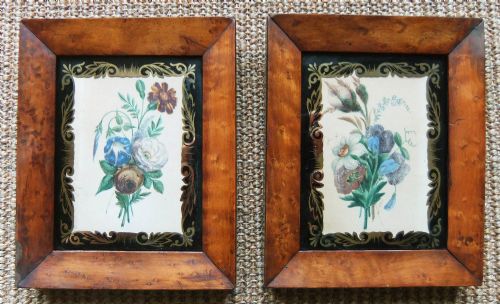
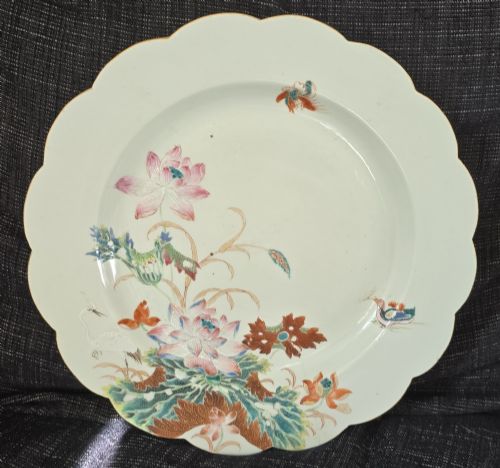
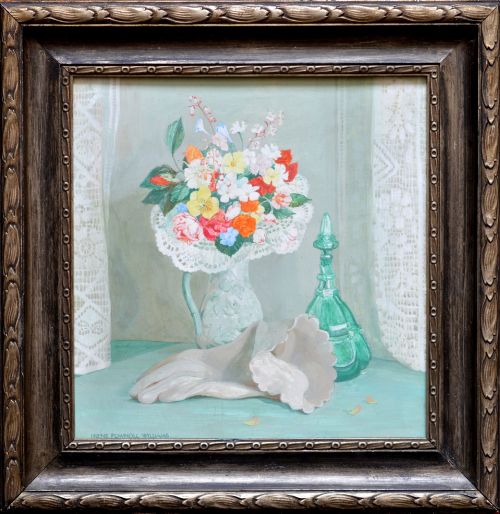
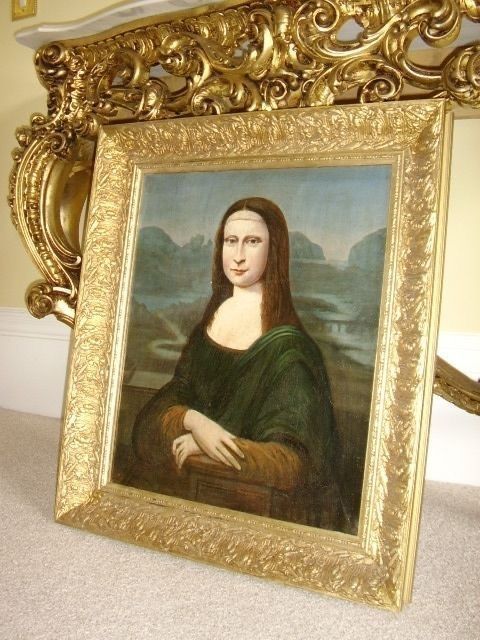
When searching for decorative wall painting, buyers encounter a diverse range of items including framed oil paintings, watercolours, painted porcelain plates, and architectural wood panels. The selection spans from eighteenth century Chinese export gouache works and Dutch Delft chargers to Victorian mirrors and twentieth century tempera panels.
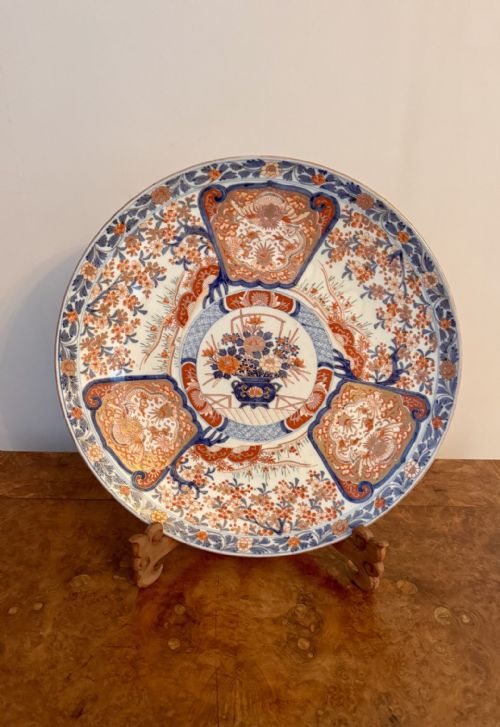
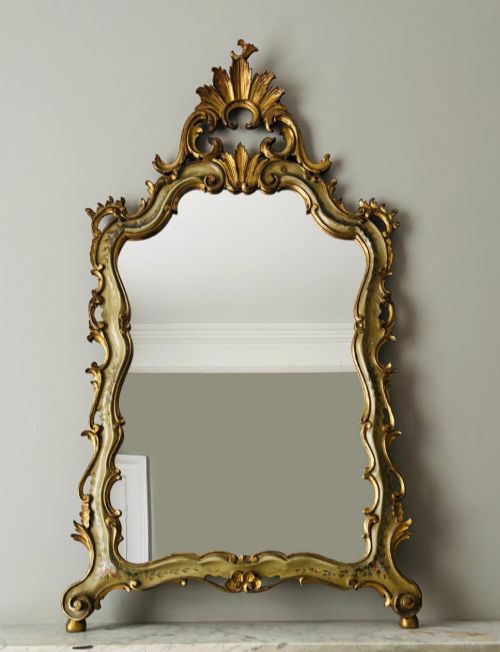
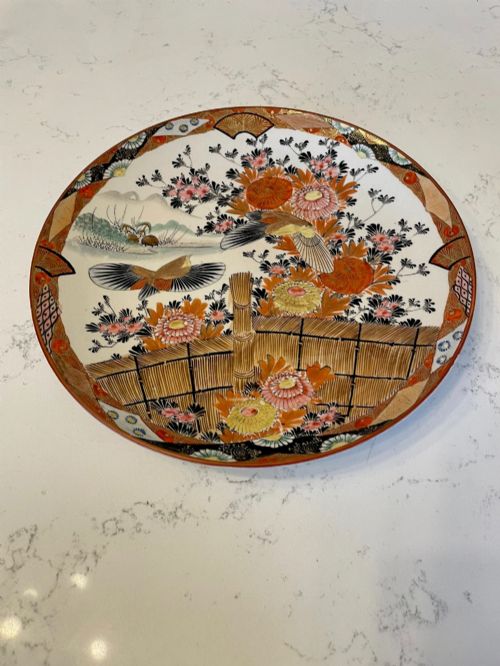
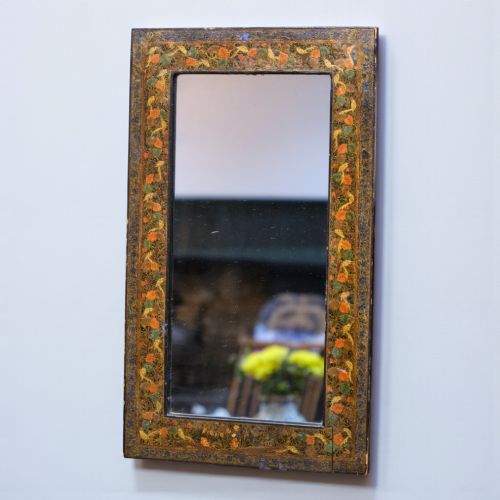
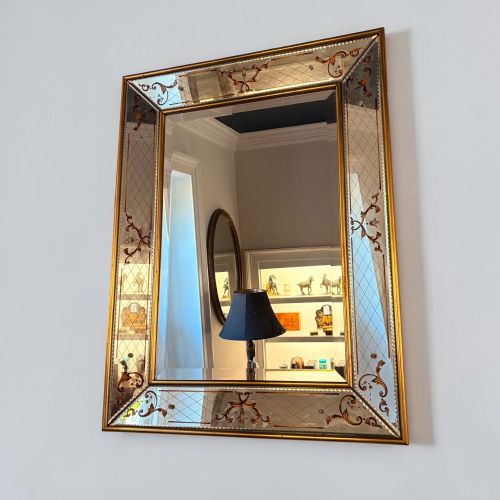
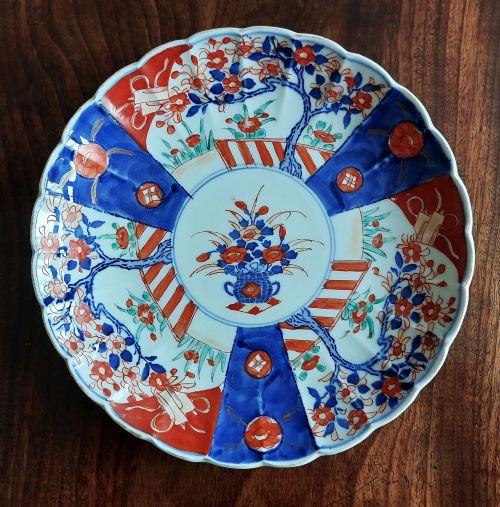
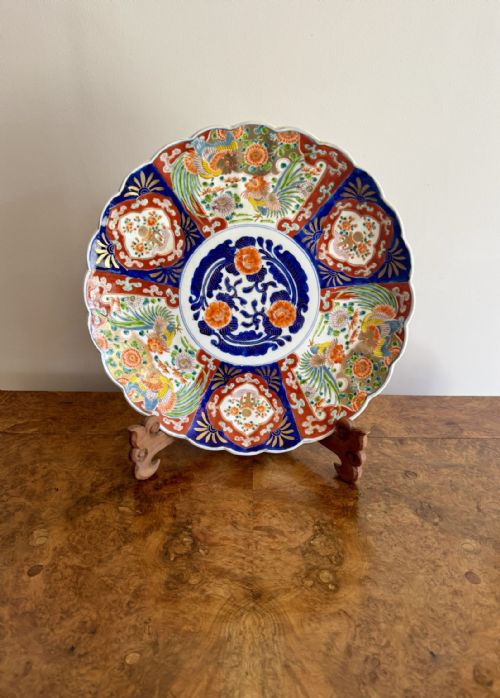
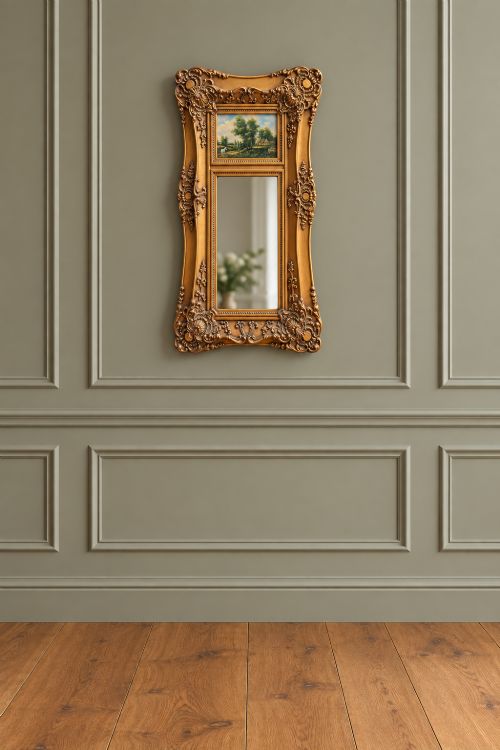
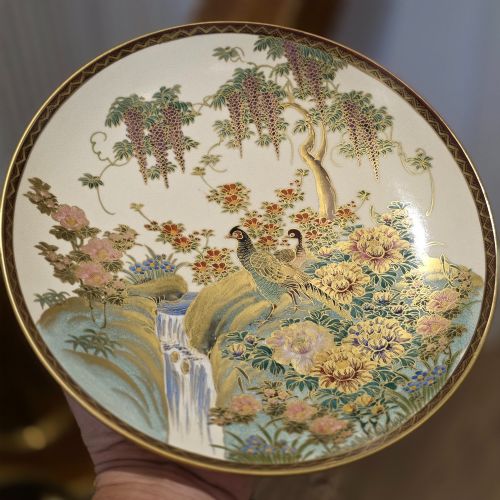
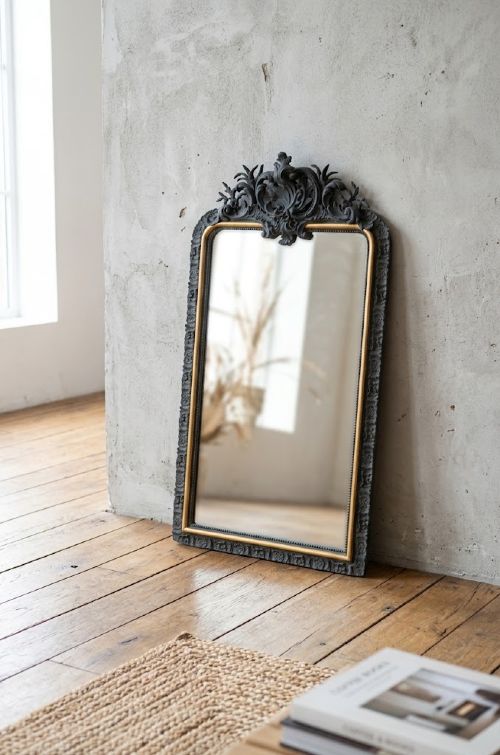
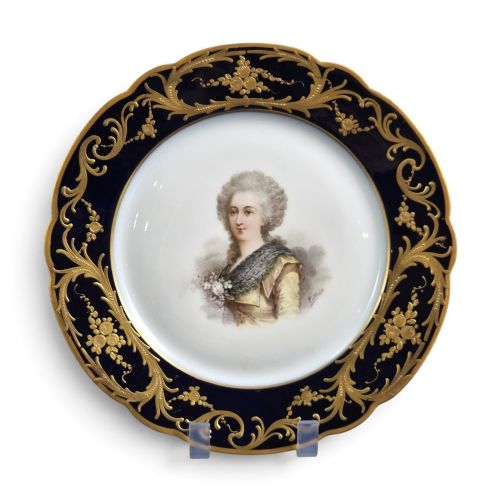
The most frequent items on this page are hand-painted cabinet plates, decorative chargers, and wall mirrors incorporating painted glass or gilded wood. These objects blend functional hanging items with intricate surface artwork created across the nineteenth and twentieth centuries.
Materials and Techniques
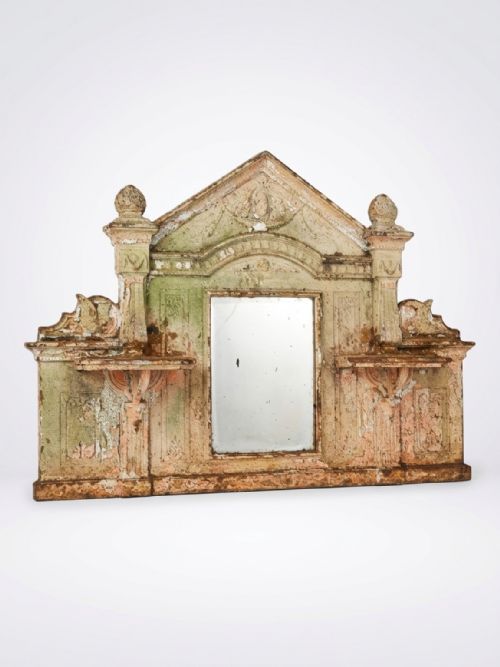
The pieces rely on traditional craftsmanship utilising wood, porcelain, glass, and metal combined with oil, tempera, or gouache pigments. Artisans applied gold leaf, enamel, and gilt to surfaces ranging from carved pine panels to ceramic chargers and iron screens.
Techniques involve precise hand-painting on porcelain and panels, reverse glass painting known as eglomise, and detailed watercolours on paper. Gilding and parcel gilt treatments frequently accent the painted surface work.
Twelfth-century junks sail permanently across nineteenth-century gouache watercolours while saints watch quietly from pine panels.
Assessing Quality
Quality rests in the precision of the brushwork and the harmony of the composition, distinguishing master execution from routine workshop production. Finer pieces show confident handling of pigment, particularly in facial details, floral arrangements, and maritime scenes.
Materials also dictate the tier of an item, with heavy cast iron work, genuine gold leaf application, and hand-thrown porcelain blanks achieving superior results. The integrity of the original painted surface without excessive restoration marks the dividing line between ordinary items and exceptional examples.
Irene Christobelle Pownoll Williams·Shozo·Raymond Subes·Richard Sebright·Brian Leaman·Koshida
The Decorative Wall Painting Glossary
- Eglomise
- A technique involving cold painting and gilding on the reverse face of glass to produce a reflective, metallic panel. It creates a rich, shimmering border often utilised on nineteenth and twentieth century mirrors.
- Charger
- A large decorative plate intended for display on a wall or sideboard rather than for service at a table. These ceramic pieces frequently feature elaborate hand-painted scenes.
- Gouache
- An opaque water-based medium containing pigment and a binding agent, yielding flat, matte colour. It appears frequently on historical export paintings and manuscript works.
- Tempera
- A permanent, fast-drying painting medium consisting of coloured pigment mixed with a water-soluble binder such as egg yolk. Artists applied this to wooden panels to achieve lasting fine detail.
- Chinoiserie
- A European artistic style reflecting Chinese aesthetic motifs, prevalent in decorative panels and mirrors. This style adapts traditional Asian landscapes and figures into Western framing.
Decorative Wall Painting: Frequently Asked Questions
How do I hang antique wall plates safely?
Plates require specialised spring-loaded brass hangers that grip the rim securely without causing damage to the ceramic or porcelain body.
Ensure the wall fixing engages directly with a stud or a secure wall plug to support the weight of heavier chargers.
Can painted wood panels handle humid rooms?
Painted wood and pine panels respond poorly to high humidity and fluctuating temperatures, which can cause the timber to warp and the paint layer to crack.
Keep these pieces in stable interior environments away from direct heat sources and steamy areas like bathrooms.
How do I clean antique gilt mirrors?
Dust giltwood frames gently with a dry, soft artist brush to remove particles without disturbing delicate or degraded leaf surfaces.
Avoid commercial liquid cleaners entirely, as chemical agents strip gold leaf and damage the painted substrate beneath.
What is the difference between an oil painting and a tempera panel?
Oil paintings utilise slow-drying pigments suspended in oil, applied to canvas or wood, allowing for rich blending and deep tones. Tempera uses an egg-based binder on rigid panels, producing a matte finish with distinct brush strokes.