



Decorative Wall Design
These pieces under decorative wall design bring together mirrors, plates and paintings that transform a room.
Decorative Wall Design
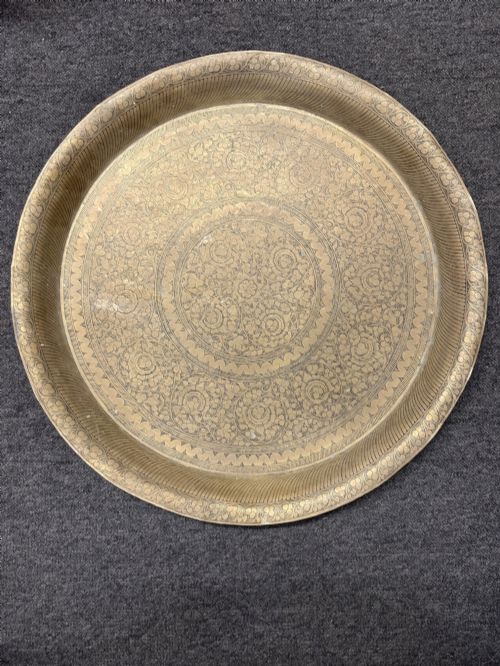
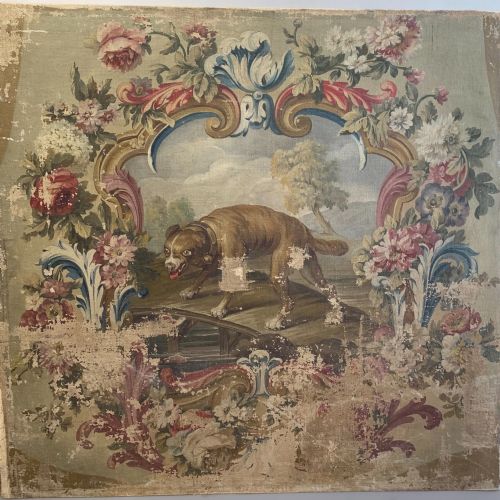
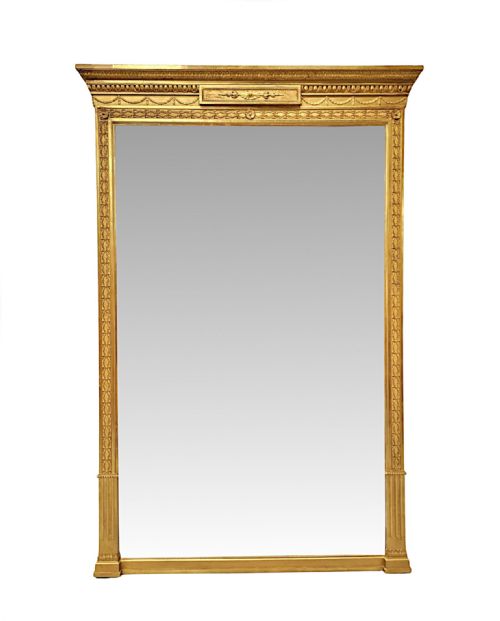
When you search for decorative wall design, you encounter a varied selection of objects intended to furnish and animate interior spaces. The items gathered here span functional mirrors, painted canvases, textiles and ceramic plates designed for display.
Mirrors form a substantial part of the offering, ranging from nineteenth-century giltwood overmantels to carved oval wall mirrors. Alongside these, you find earthenware and porcelain plates, Japanese chargers, and framed oils on canvas originating from different centuries.
How They Were Made
The materials recorded in these pieces rely heavily on traditional craft, utilising giltwood and composition for frames alongside glazed ceramic and porcelain for plates. Artisans applied oil paint to canvas and employed cloisonne techniques on metal bases.
Production methods reflect their respective eras, from hand-thrown earthenware and fine textile weaving to intricate wood carving and gilding. Metalwork and porcelain painting demonstrate disciplined execution across diverse cultural traditions.
Decorative Wall Design Retail Price Guide 2026
Typical asking prices for decorative wall design among the pieces listed under this phrase on Sellingantiques today, from the lower quarter to the upper quarter. They describe what is for sale here now, not the wider market.
A goldfinch appears alongside a rose within a nineteenth-century blue and white dish.
What Varies in Quality
The standard of a piece rests upon the crispness of its carving, the depth of its gilding, and the precision of its painted or woven details. Superior examples exhibit cleaner lines in ornament and greater control in glaze or pigment application.
Age and original context also influence distinction, with items showing finer proportion and more ambitious design standing apart from simpler commercial productions.
The Decorative Wall Design Glossary
- Giltwood
- Wood that has been coated with gold leaf or a gold-coloured substance. This finish provides a reflective surface that enhances carved ornamentation on mirrors.
- Overmantel Mirror
- A large mirror designed to hang above a fireplace mantelpiece. These pieces often feature ornate frames that serve as a focal point in a room.
- Cloisonne
- An ancient technique for decorating metalwork objects with coloured material held in place by thin metal strips. The method creates distinct coloured cells across the surface.
- Charger
- A large decorative plate used traditionally for ceremonial purposes or as a base beneath other courses. In domestic settings, they are typically hung on walls or displayed on plate racks.
- Torba
- A small wall hanging or bag produced by Turkmen tribes. These textiles display characteristic geometric motifs and fine weaving.
Decorative Wall Design: Frequently Asked Questions
How do I hang a heavy overmantel mirror?
Heavy mirrors require secure fixings into structural wall studs or masonry using appropriate weight-bearing brackets. Professional installation is recommended to ensure the piece remains safely supported.
Distributing the weight evenly across multiple anchor points prevents strain on the frame and wall structure.
Can decorative plates be hung safely on walls?
Plates are typically displayed using spring-loaded wire hangers that grip the rim securely without damaging the ceramic body. Ensure the hanger is sized correctly for the diameter of the dish.
Regularly check the tension of the wire to maintain a secure hold against the wall surface.
How do I clean giltwood frames?
Dust giltwood gently with a soft, dry brush or feather duster to remove surface particles. Avoid liquid cleaners, moisture, or chemical solvents, which can strip the delicate gold leaf finish.
Professional restoration is advised if the gilding suffers significant flaking or damage.
What is the difference between an overmantel and a wall mirror?
Overmantel mirrors are traditionally proportioned to sit horizontally above a fireplace, often featuring wide frames designed to command a principal wall. Standard wall mirrors vary in shape and scale for placement in hallways or reception rooms.
Their placement dictates their visual weight within an interior scheme.