




Decorative Vintage Globe
A decorative vintage globe brings geography and history into a room, offering a tangible link to past eras through cartography and craftsmanship.
Decorative Vintage Globe
When searching for a decorative vintage globe, a buyer encounters cartographic instruments and terrestrial spheres designed primarily for display and study. These objects range from compact desk models to imposing floor standing globes produced during the Edwardian era and the 1930s.
How they were made
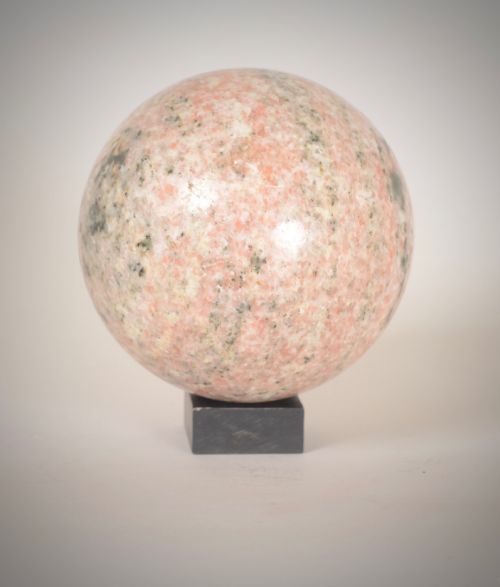
Makers constructed these pieces using durable materials such as turned hardwood, brass, and granite, often mounting paper maps onto spherical glass or plaster cores. The structural supports frequently incorporated turned bases and classical columns.
Finishing techniques involved applying detailed lithographed map gores by hand to ensure alignment across the sphere. Metal components were cast and polished, while wooden stands received traditional polishing to highlight the grain.
Decorative Vintage Globe Retail Price Guide 2026
Typical asking prices for decorative vintage globe among the pieces listed under this phrase on Sellingantiques today, from the lower quarter to the upper quarter. They describe what is for sale here now, not the wider market.
What varies in quality
Quality in a decorative vintage globe depends upon the clarity and accuracy of the cartographic printing and the stability of its mounting. Finer examples display crisp topographical details and robust brass or hardwood mountings that hold the sphere securely.
The grade of materials used for the base and meridian ring dictates the overall weight and presence of the piece. Superior craftsmanship shows in the seamless application of map gores and the preservation of original hand-coloured boundaries.
Geographia
The Decorative Vintage Globe Glossary
- Gore
- A wedge-shaped paper map segment designed to be applied to a sphere without distortion or overlapping. Multiple gores cover the entire surface of a terrestrial globe.
- Meridian
- The graduated brass or metal ring that surrounds the globe and allows it to tilt at the correct angle of the Earth's axial rotation.
- Treen
- Small handmade wooden household objects and decorative items turned on a lathe. This material appears in early spherical pieces.
Decorative Vintage Globe: Frequently Asked Questions
How do I date a vintage globe?
Dating relies heavily on the political boundaries and country names printed on the cartography. Examining the style of the base and the typography offers additional clues to the decade of manufacture.
Changes in colonial territories and capital cities help narrow down the production year significantly. Comparing the depicted railway lines and shipping routes to historical records confirms the era.
Where should I place a floor standing globe?
These large pieces suit studies, libraries, or spacious hallways where they can stand away from direct sunlight. Positioning them on a stable floor ensures the mounted ring remains level.
Allowing sufficient clearance around the sphere permits easy rotation and viewing of the map details. Keeping them away from heat sources protects the paper gores from drying and cracking.
What is the difference between a terrestrial and celestial globe?
A terrestrial globe represents the surface of the Earth, showing countries, oceans, and major cities. A celestial globe maps the constellations and stars as viewed from the centre of the universe.
Terrestrial models were far more common in domestic interiors for educational and decorative purposes. Celestial versions are rarer and serve a specialised astronomical function.