



Decorative Vanity Table
A decorative vanity table brings together mirrors, trays, and cabinets from the nineteenth and early twentieth centuries to organise the dressing room.
Decorative Vanity Table
A decorative vanity table encompasses dressing tables, mirrors, and associated furnishings designed for personal grooming and writing in the nineteenth and early twentieth centuries. These items appear across periods such as the Victorian era, Edwardian period, and 1920, reflecting diverse international tastes from French Revival to Art Deco.
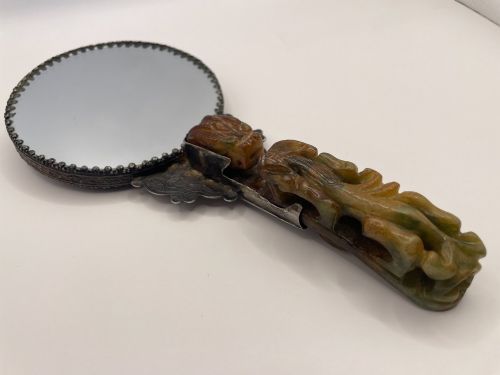
Buyers seeking a decorative vanity table will encounter a range of forms, including dressing mirrors, table cabinets, writing desks, and workboxes. Materials span from traditional wood and walnut to glass, brass, ormolu, and lacquered finishes.
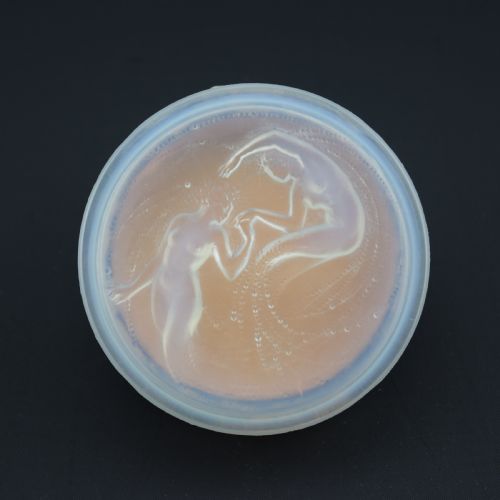
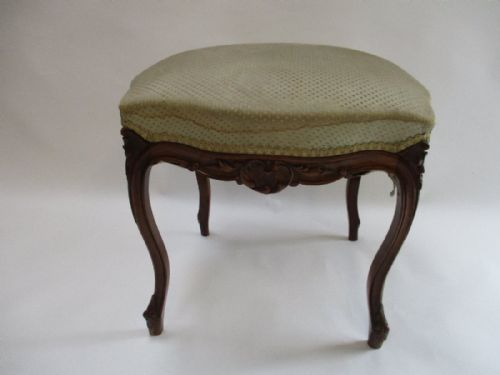
The selection ranges from French decorative dressing tables dating to 1890 and 1900 to earlier Victorian walnut writing desks and Russian or Vienna dressing mirrors. Alongside these, smaller accessories such as Murano trays, trinket boxes, and hand-carved stools complete the grouping.
How they were made
Construction relies heavily on traditional woodworking techniques applied to walnut, painted wood, and lacquered surfaces, often paired with hand carving as seen on Edwardian stools and Victorian writing desks. Artisans utilised japanning and lacquer work, particularly on Chinese-influenced pieces from the early twentieth century.
Metalwork forms an integral component, with brass, bronze, ormolu, and spelter utilised for frames, mounts, and figure mirrors. Glass and mirror plates are incorporated into dressing mirrors and table mirrors, while specialised production methods define items like Murano glass trays and moulded boxes.
Decorative Vanity Table Retail Price Guide 2026
Typical asking prices for decorative vanity table among the pieces listed under this phrase on Sellingantiques today, from the lower quarter to the upper quarter. They describe what is for sale here now, not the wider market.
Listings feature items from the 19th Century, Edwardian period, and 1920, utilising glass, brass, wood, and walnut.
What varies in quality
Quality rests on the integrity of the materials and the refinement of the decorative surface, whether that involves original painted finishes, japanning, or burr walnut veneers. Pieces exhibiting hand-carved details and substantial brass or ormolu mounts demonstrate superior craftsmanship compared to simpler iterations.
The sophistication of the design, spanning styles such as Rococo Revival, Empire, and Art Deco, dictates the character of each piece. Originality of components, from glass mirror plates to lacquered panels, distinguishes standard domestic items from finer decorative works.
The Decorative Vanity Table Glossary
- Japanning
- European imitation of East Asian lacquer work, created using layered varnished finishes on wood bases.
- Ormolu
- Gilt-bronze decorative mounts applied to furniture, popular in French Revival and neoclassical designs.
- Spelter
- An alloy of zinc and other metals used as a substitute for bronze in decorative figures and mirror frames.
- Bonheur de jour
- A small, light ladies' writing desk featuring a tiered cabinet superstructure above the main writing surface.
- Burr walnut
- A highly figured wood veneer harvested from walnut tree growths, prized for rich grain patterns.
Decorative Vanity Table: Frequently Asked Questions
What periods do these vanity tables come from?
The pieces span the nineteenth century up to the 1920s, covering Victorian, Edwardian, and Art Deco periods.
Items reflect specific design movements including French Revival, Empire, and Chinoiserie.
Are dressing mirrors included with the tables?
Surviving examples frequently incorporate dressing mirrors or table mirrors as part of the ensemble.
Standalone mirrors and table cabinets also appear alongside the primary furniture forms.
What materials were used to decorate them?
Decoration involves wood finishes such as burr walnut, painted wood, and Chinese lacquer.
Metal elements feature brass, bronze, ormolu, and spelter alongside glass components like Murano trays.
How do I care for lacquered and painted surfaces?
Keep pieces away from direct sunlight and moisture to protect delicate painted schemes and lacquer.
Dust gently with a dry, soft cloth without applying harsh chemical cleaners.