




Decorative Turned Wood
Decorative turned wood brings warmth to a room through the precise, circular lines shaped by the lathe during the nineteenth and early twentieth centuries.
Decorative Turned Wood
When you search for decorative turned wood, you encounter items shaped by rotation on a lathe, ranging from domestic treen to structural furnishings.
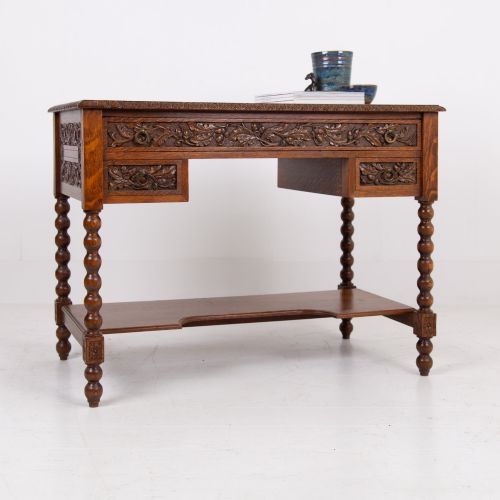
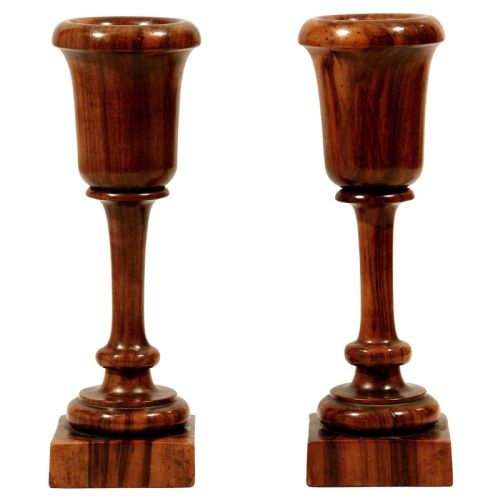
The selections span the nineteenth century and the early twentieth century, taking the form of spill vases, urns, tables, and household accessories.
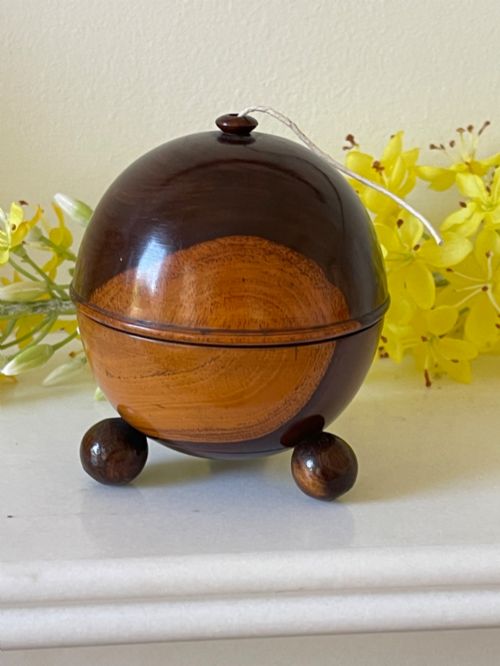
You are most likely to meet smaller treen items such as spice towers, goblets, and string boxes alongside larger architectural elements.
How they were made
Craftsmen shaped dense timbers like walnut, mahogany, rosewood, boxwood, and lignum vitae on lathes to achieve symmetrical profiles and crisp reeding.
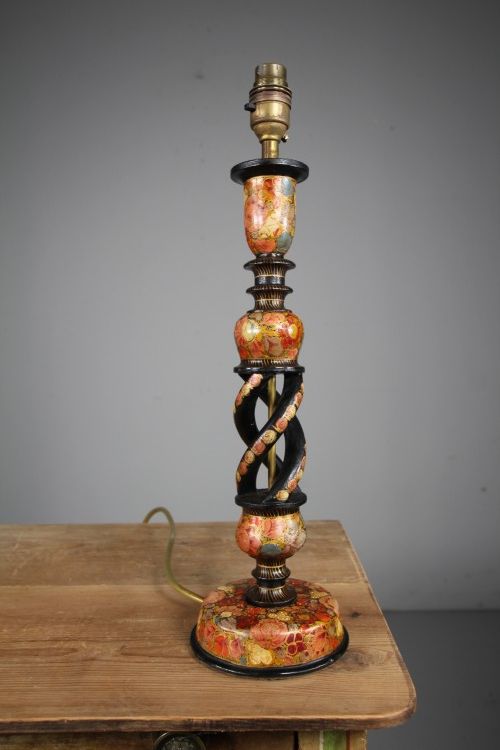
Makers occasionally combined turned wooden elements with brass, silver, lacquer, and painted finishes to produce contrast and texture.
Decorative Turned Wood Retail Price Guide 2026
Typical asking prices for decorative turned wood among the pieces listed under this phrase on Sellingantiques today, from the lower quarter to the upper quarter. They describe what is for sale here now, not the wider market.
The listings feature diverse timber species including mahogany, walnut, oak, boxwood, yew-wood, and lignum vitae.
What varies in quality
Quality rests in the crispness of the turning profiles, the choice of dense hardwood species, and the preservation of original surface finishes.
Superior examples display balanced proportions, tight joints, and clean grain patterns without excessive wear or crude timber replacement.
The Decorative Turned Wood Glossary
- Treen
- Small handmade wooden objects for the home. These functional items include boxes, vases, and small domestic vessels.
- Bobbin
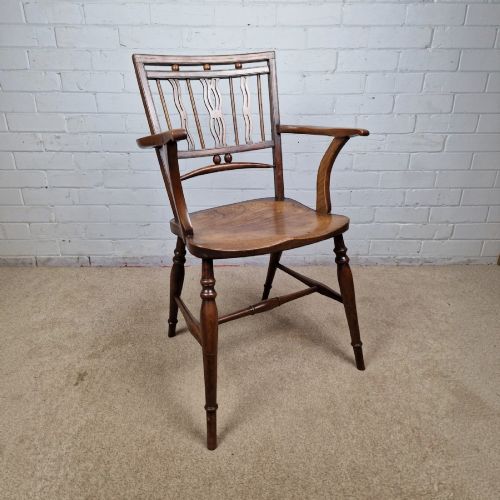
- A turned furniture detail shaped like a string spool. This decorative turning style appears frequently on nineteenth century chair legs and side tables.
- Spill vase
- A small container for holding paper spills used to light fires. These turned vessels were common on nineteenth century mantelpieces.
- Lignum vitae
- A dense and heavy dark hardwood. Makers utilised this resilient material for turned items requiring high durability.
Decorative Turned Wood: Frequently Asked Questions
What is decorative turned wood?
Decorative turned wood encompasses items shaped on a lathe during the nineteenth and early twentieth centuries. These objects highlight the natural grain and symmetry achieved through woodworking.
The category includes small domestic treen, vases, spice towers, and architectural supports integrated into larger furniture designs.
How were turned wooden objects used?
Many turned wooden pieces served practical daily purposes in the home, holding household items or fuel.
Items such as string boxes, spice towers, and spill vases kept domestic spaces organised while displaying craftsmanship.
How do I identify nineteenth century turned wood?
Nineteenth century pieces often show tool marks, deeper patination, and the use of dense hardwoods like rosewood, walnut, and lignum vitae.
Examining the construction methods and the crispness of the lathe turning helps distinguish these historical items from modern reproductions.
How should I care for turned wood?
Maintain turned wooden items by keeping them away from direct heat sources and sudden humidity changes. Apply appropriate wax polish occasionally to nourish the timber and protect the original finish.