







Decorative Table Urns
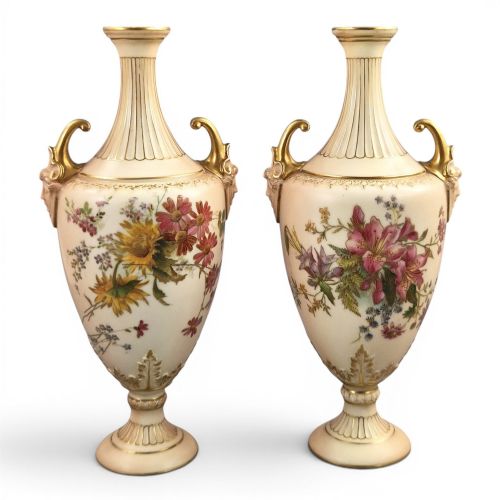
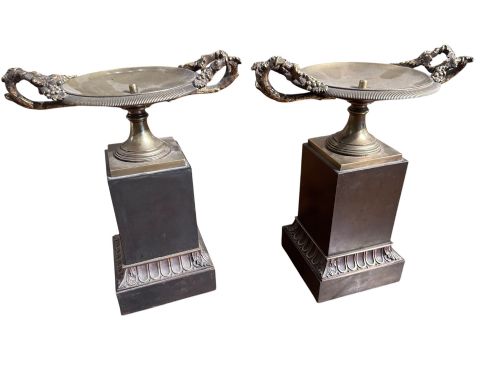
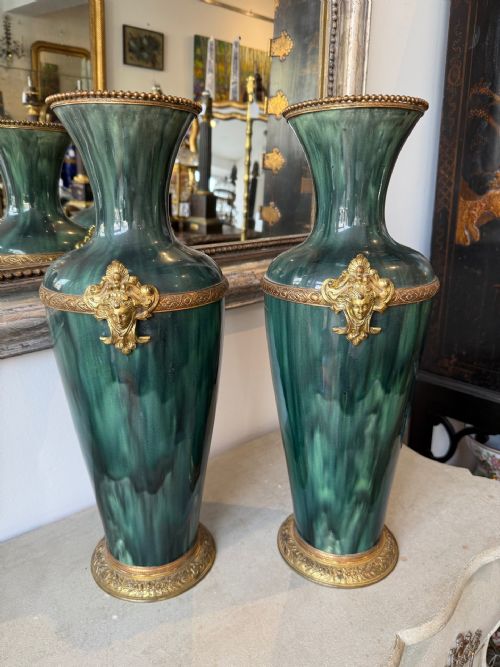
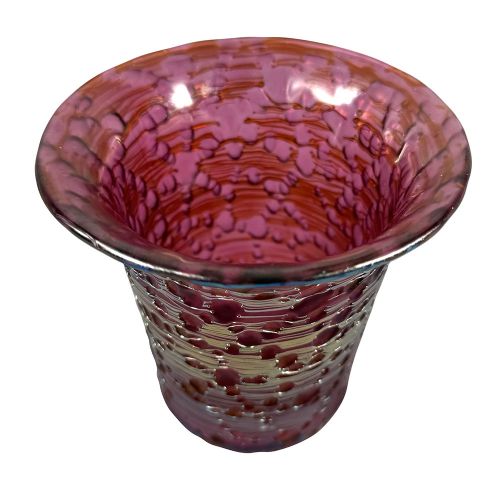
These decorative table urns bring sculptural weight and historical texture to a room, ranging from grand French ormolu pieces to refined Japanese Satsuma vessels.
Decorative Table Urns
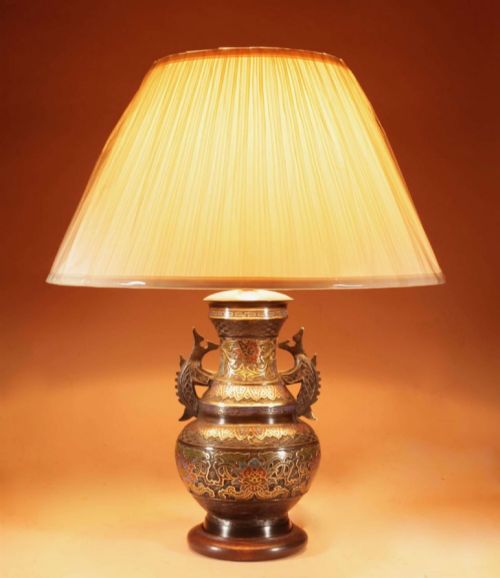
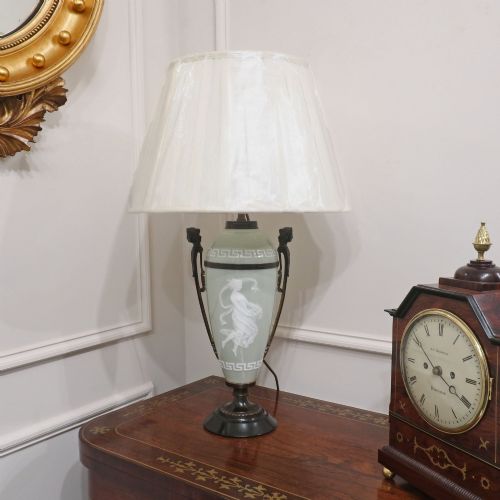
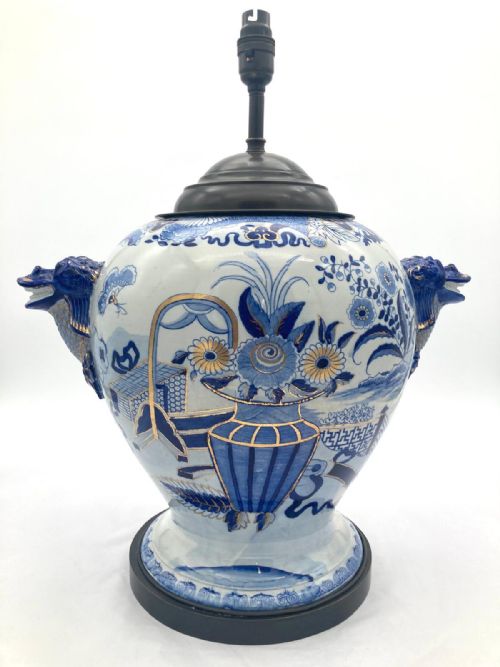
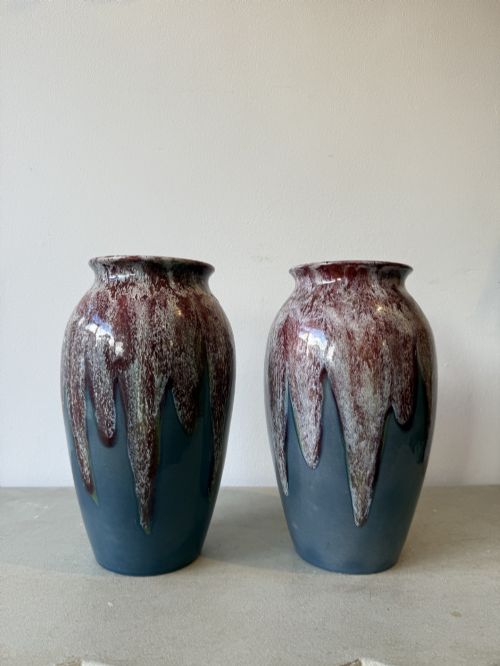
Decorative table urns span the nineteenth century and the early decades of the twentieth century, taking the form of mantel ornaments, converted lamps, and classical vases. These pieces often draw on French Neoclassical, Empire, and Japanese Meiji aesthetics.
Buyers will encounter pairs of Satsuma and bronze vessels alongside marble and ormolu examples, many adapted for domestic lighting or displayed as symmetrical garnitures.
How they were made
Artisans combined cast bronze, gilt brass, and ormolu with carved marble, enamel, and hand-painted porcelain.
Metalwork involved chasing and gilding, whilst ceramic bodies received intricate hand-applied glazes, pate sur pate, and cloisonne detailing.
Materials across the listings include bronze, marble, porcelain, ironstone, and champleve enamel.
What varies in quality
The distinction lies in the crispness of the bronze chasing, the depth of the marble figuring, and the precision of the hand-painted enamels.
Finer examples display harmonious proportions and heavier metal casting, whereas simpler pieces rely on more straightforward ceramic bodies and standard mounts.
Royal Worcester·Royal Doulton·Spode China·Kinkozan·Miles Mason·Hicks and Meigh
The Decorative Table Urns Glossary
- Ormolu
- Gilded bronze, widely utilised in French furniture and decorative urn mounts during the eighteenth and nineteenth centuries.
- Champleve
- An enamelling technique where troughs are dug into a metal surface and filled with vitreous enamel before firing.
- Satsuma
- Japanese pottery featuring a crackle-glaze earthenware body decorated with elaborate polychrome enamels and gilding.
- Campana
- A classical bell-shaped urn form derived from antiquity, frequently mounted on a square plinth base.
Decorative Table Urns: Frequently Asked Questions
What are decorative table urns?
These pieces are ornamental vessels derived from classical shapes, produced in porcelain, bronze, and pottery during the nineteenth and early twentieth centuries.
They serve as focal points on sideboards and mantelpieces, or function as converted table lamps.
How do I style them?
Pairs look striking placed symmetrically on large side tables, mantels, or pedestals to anchor a room's decor.
Smaller examples integrate well onto bookshelves and desks where their colour and texture add depth.
How are periods identified?
Dating relies on material composition, maker marks, and stylistic indicators such as French Empire bronze mounts or Japanese Meiji period Satsuma glazes.
Construction methods and base weights also offer clear clues to the manufacturing decade.
Were they always lamps?
Many ceramic and bronze urns started as decorative vases or garniture pieces before receiving electrical fittings in later decades.
This conversion allows antique vessels to provide ambient domestic lighting whilst retaining their original surface artistry.