



Decorative Table Candlesticks
Decorative table candlesticks bring light and character to a room, spanning periods from the Georgian era through to the Art Deco decades.
Decorative Table Candlesticks
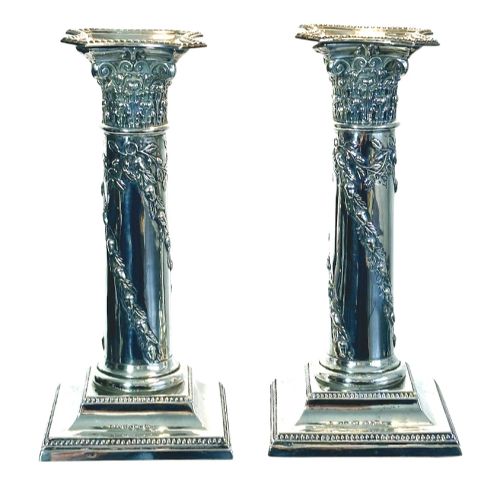
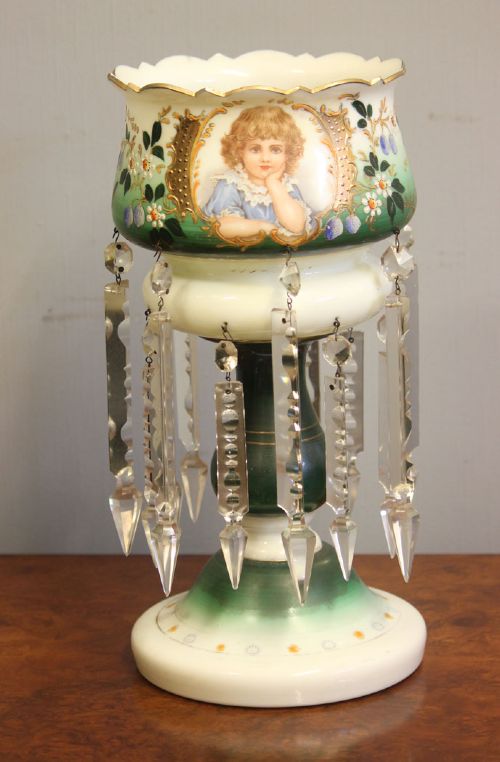
When searching for decorative table candlesticks, buyers encounter an array of forms designed to hold candles or adapt to lighting, including candelabra, mantel lustres, and column lamps. These pieces originate from various eras, with nineteenth-century examples appearing frequently alongside Georgian and early twentieth-century pieces.
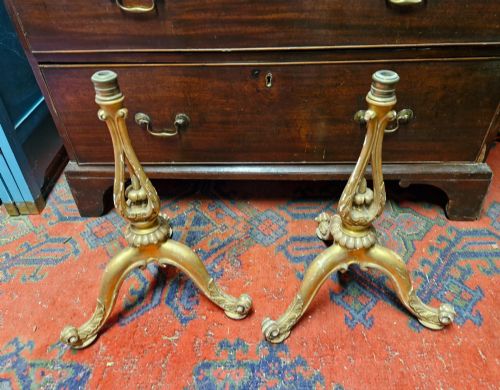
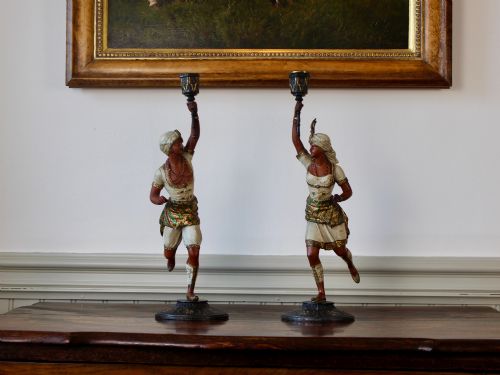
The selection ranges from pairs of cast brass figures and gilt tripod bases to elaborate French ormolu, bronze, and marble designs. Many items reflect distinct stylistic influences such as Neoclassical, Victorian, French Rococo, and Gothic Revival, offering substantial variety in both scale and material.
Materials and construction
Makers utilised metals such as brass, bronze, silver plate, and ormolu, often combining them with marble bases, porcelain, or carved wood. Casting techniques allowed for intricate figural and architectural details, seen in columns, putti, and animal motifs.
Surface treatments included cold painting, gilding, and silver plating to enhance the visual impact of the metalwork. Some pieces incorporate fabric shades or have been adapted as table lamps while retaining their original structural elements.
Decorative Table Candlesticks Retail Price Guide 2026
Typical asking prices for decorative table candlesticks among the pieces listed under this phrase on Sellingantiques today, from the lower quarter to the upper quarter. They describe what is for sale here now, not the wider market.
Keep an eye out for cavalry dress swords moonlighting as candle lamps.
Judging quality
Quality rests upon the crispness of the casting and the depth of the chasing in metalwork, where sharper details indicate superior craftsmanship. The choice of materials, such as heavy bronze, genuine ormolu, or solid marble, elevates the standing of a piece above lighter alloy or plated alternatives.
The cohesion of the design, whether in a matched pair of figural candlesticks or an elaborate multi-branched candelabra, determines the overall success of the object. Integrated details like hand-painted elements on porcelain or precise cold painting on spelter distinguish finer examples.
The Decorative Table Candlesticks Glossary
- Ormolu
- Gilded bronze, widely utilised in French decorative metalwork to create a rich, golden finish on mounts and decorative objects.
- Mantel lustre
- An ornamental candlestick hung with glass prisms that catch and reflect candlelight.
- Candelabra
- A large candlestick featuring multiple branches for holding several candles simultaneously.
- Spelter
- A zinc alloy used as a less expensive alternative to bronze, frequently painted to simulate other metals.
- Cloisonné
- An ancient technique for decorating metalwork objects with coloured material held in place by thin metal strips.
Decorative Table Candlesticks: Frequently Asked Questions
How do I style table candlesticks?
Place pairs on mantelpieces, sideboards, or dining tables to create symmetry and height. They work well grouped with other decorative objects or left as standalone focal points.
Consider the scale of the room and the furniture when selecting larger candelabra or standard lamps. Metal finishes can be chosen to complement existing hardware and lighting in the interior.
Were these candlesticks converted to lamps?
Many candlesticks and candelabra from the nineteenth and twentieth centuries have been fitted for electricity to suit modern homes. These conversions often utilise existing structural channels to preserve the outer appearance.
Buyers can find both original candle-holding formats and period lamp adaptations within the selection.
What periods do these pieces represent?
The selection spans several centuries, including Georgian and eighteenth-century pieces, nineteenth-century Victorian and Restauration examples, and early twentieth-century designs up to the 1930s.
Stylistic markers such as Neoclassical columns, Gothic Revival brass, and Art Deco silver plate help date the workmanship accurately.
How do I care for antique metal candlesticks?
Dust metal surfaces gently with a soft, dry cloth to prevent the accumulation of dirt. Avoid harsh chemical cleaners that can strip original gilding, silver plating, or cold painted finishes.
Keep pieces away from direct moisture and extreme temperature fluctuations to protect delicate components like marble bases and porcelain inserts.