

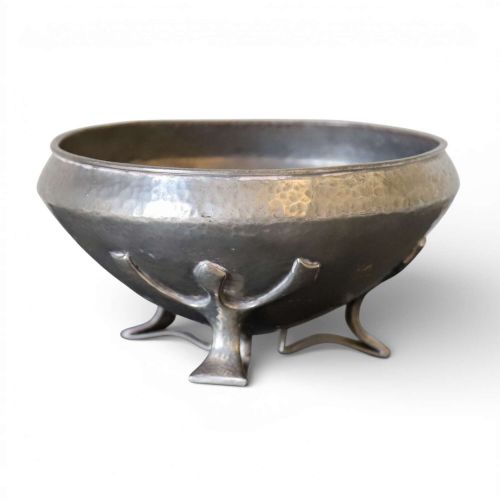
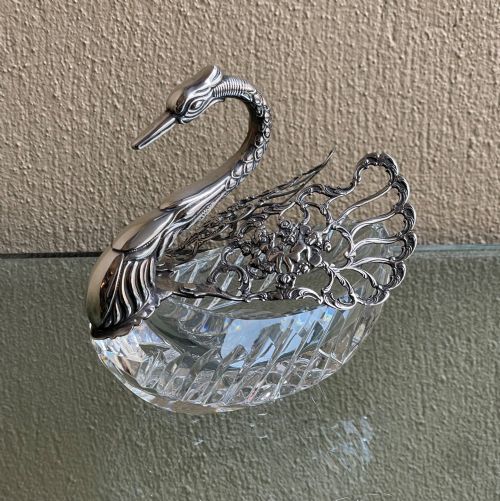

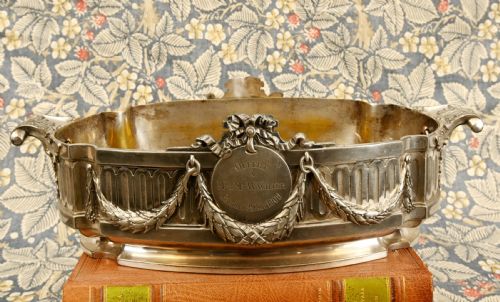
Decorative Silver Vessel
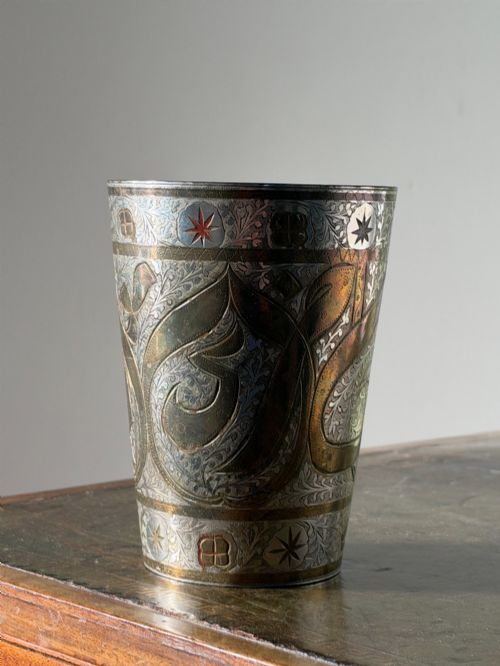
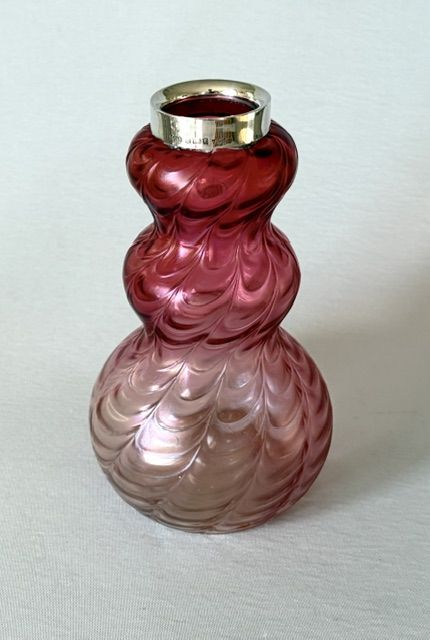
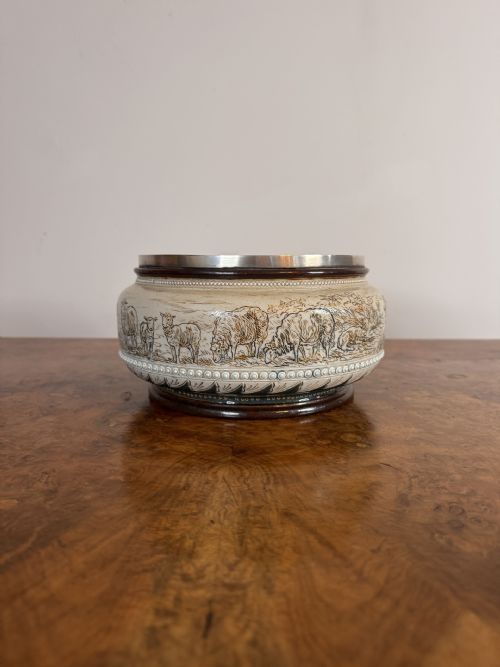
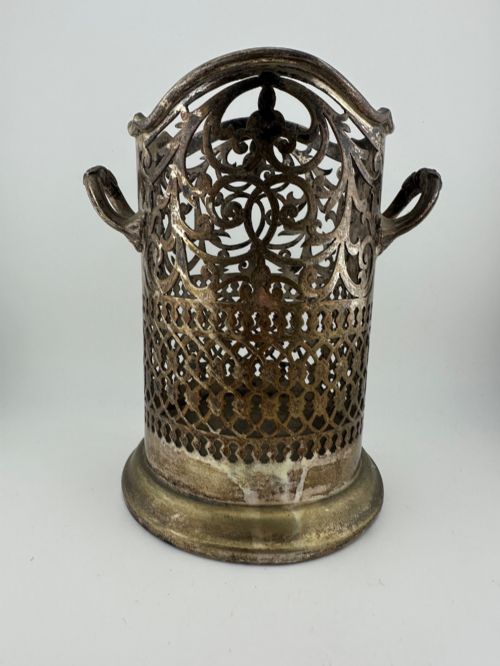
These decorative silver vessels and related mixed-metal receptacles bring distinct historic craftsmanship and varied international aesthetics straight into your home.
Decorative Silver Vessel
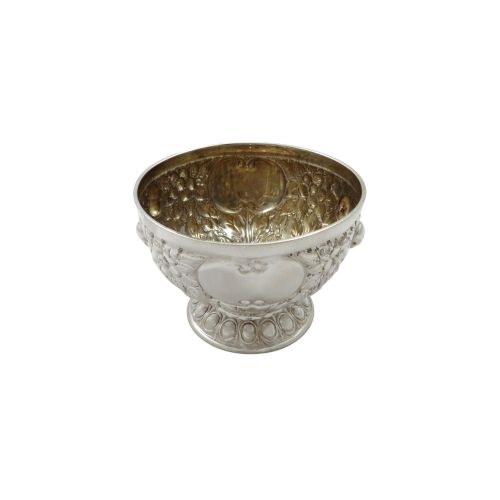
A decorative silver vessel spans an array of forms, most commonly appearing as bowls, vases, dishes, and centrepieces. You encounter pieces shaped by Victorian tastes, Edwardian workshops, and continental European movements.
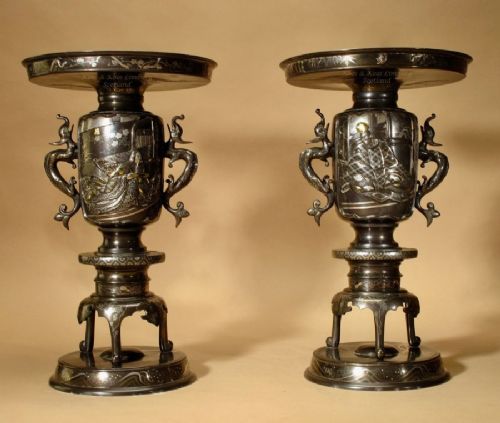
The selection ranges from solid sterling silver bowls and heavy Anglo-Indian pieces to silver-plated mounts framing iridescent glass, terracotta, and bronze. Makers from British Arts and Crafts studios to Japanese Meiji period workshops contribute distinct regional styles.
You will find items created across the nineteenth and twentieth centuries, encompassing Art Nouveau glass overlays, Chinese export white metal, and Moroccan terracotta mounts. Each object serves a purely ornamental or display function within an interior.
Assessing craftsmanship and execution
Quality rests in the precision of the hand-chased repoussé details and the harmonious integration of mixed materials. Superior examples demonstrate tight mounts, balanced proportions, and crisp execution of motifs across the metal and glass elements.
Lesser pieces show perfunctory surface tooling and loose mounting where the metal meets the ceramic or glass body. The distinction lies in whether the maker achieved a coherent artistic vision through careful handwork.
Decorative Silver Vessel Retail Price Guide 2026
Typical asking prices for decorative silver vessel among the pieces listed under this phrase on Sellingantiques today, from the lower quarter to the upper quarter. They describe what is for sale here now, not the wider market.
Listings span solid sterling silver, silver plate, bronze, pewter, terracotta, and iridescent glass across Victorian, Edwardian, and mid-century periods.
Loetz·Argentor·KANASAWA·Liberty and Co·Oliver Baker·Ferdinand von Poschinger·Gorham
The Decorative Silver Vessel Glossary
- Repoussé
- Metalworking technique where the artisan hammers the design from the reverse side to form a raised relief on the front. This method creates tactile, high-relief ornamentation on bowls and vases.
- Sterling silver
- An alloy consisting of silver and other metals, traditionally copper, standardised for durability and purity. It forms the primary metal body for numerous Victorian and Edwardian table items.
- Secessionist
- An early twentieth-century artistic movement that broke from traditional academic styles in favour of geometric and stylized floral forms. It heavily influenced European glass and metalware design.
- Cairoware
- Nineteenth-century European term for Islamic metalwork originating from Cairo, typically featuring brass inlaid with silver and copper. These pieces incorporate intricate geometric and calligraphic bands.
- Cabochon
- A gemstone or piece of glass shaped and polished brightly rather than faceted. They appear set into metal mounts as decorative focal points.
Decorative Silver Vessel: Frequently Asked Questions
Were these vessels meant for daily use?
Most items served ornamental purposes on dining tables, sideboards, and mantelpieces rather than active utilitarian service. Centrepieces and decorative bowls displayed fruit, flowers, or simply stood empty as artistic statements.
Exceptions include specific tableware items like salt cellars or spoons, though their primary survival stems from decorative preservation rather than heavy kitchen employment.
How do I distinguish Art Nouveau mounts?
Art Nouveau metal mounts feature organic, flowing lines inspired by natural plant stems, whiplash curves, and stylized insect wings. They frequently embrace iridescent glass bodies or ceramic vessels with an asymmetrical fluidity.
Earlier Victorian pieces rely on symmetrical Neo-Classical or heavy repoussé floral arrangements, lacking the characteristic sinuous rhythm of the 1900 style.
What defines Anglo-Indian silverwork?
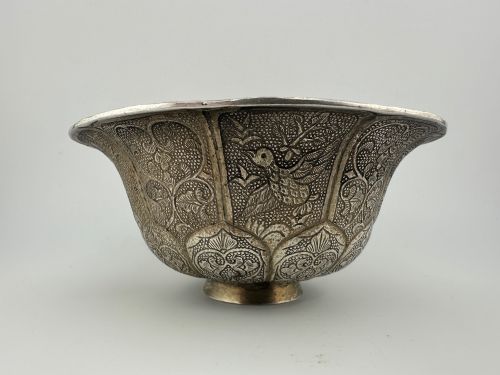
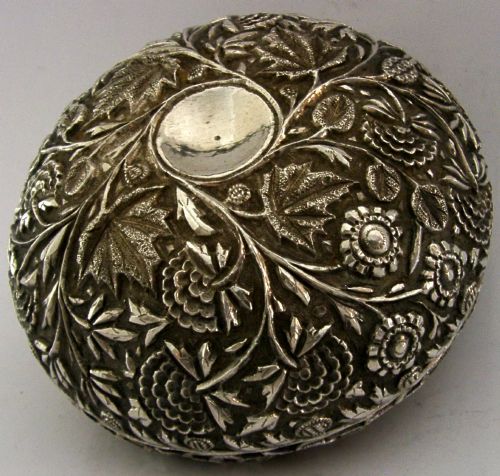
Anglo-Indian silver vessels typically display dense, all-over hand-chased repoussé decoration depicting local flora, fauna, or traditional village scenes. They are characterised by heavy gauge construction and distinct regional Indian motifs adapted to British vessel forms.
These pieces often lack traditional European hallmarks, relying instead on the weight and distinctive technique of regional silversmiths from areas like Kutch.